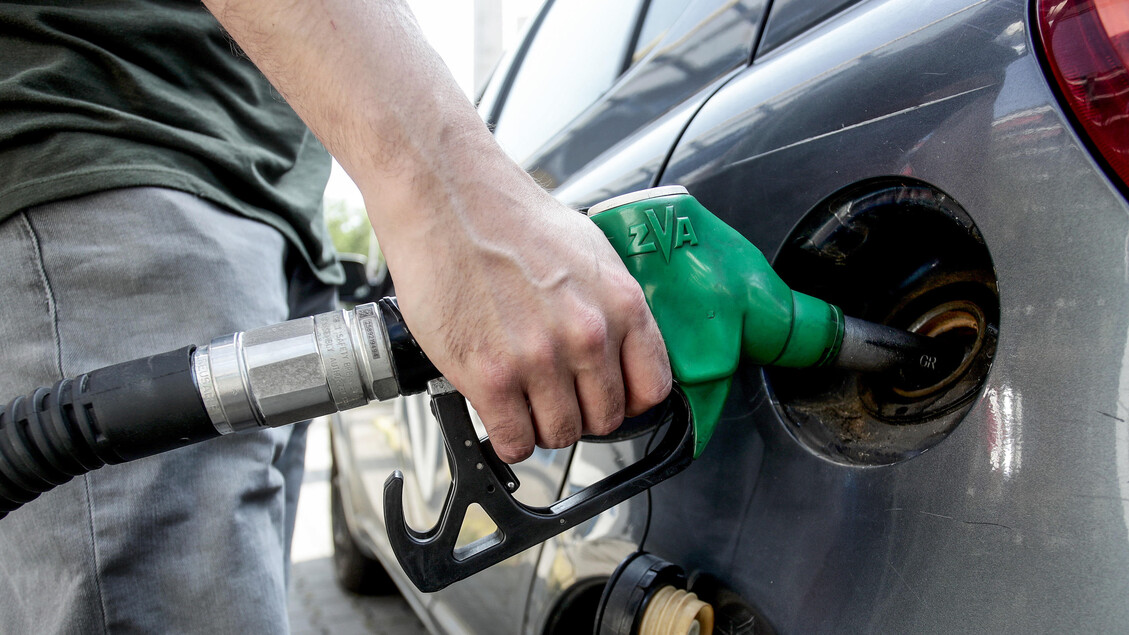

ROME – At the self-service pump on a Sunday morning in mid-June, the number a diesel driver sees has quietly changed. For the first time since Italy’s fuel market was rattled by successive shocks to global crude supply, the national average price of diesel on the road network has slipped to €1.998 per litre – fractionally, but unmistakably, below the threshold that came to symbolise the post-Hormuz cost of filling up in Europe’s third-largest economy.
The data, published Sunday by the Ministry of Enterprises and Made in Italy’s fuel price observatory – known by its Italian acronym MIMIT – confirmed what many drivers had been tracking anecdotally over the past week: the steady downward drift in crude benchmarks is finally registering at the pump. Petrol in self-service mode averaged €1.891 per litre on the national road network as of June 14, 2026.
The figures carry more weight than a single decimal point suggests. Through the spring months, diesel above €2 was the default reality for Italian drivers, a daily pressure point that weighed on household transport budgets, inflated logistics costs for businesses, and complicated the inflation picture for the Bank of Italy. The return to sub-€2 territory, even by the narrowest of margins, represents the first material reversal of that dynamic.
But the relief is not evenly distributed. The highway network – where commuters and summer travellers fill up without the option of driving to a cheaper independent station – remains above the symbolic line. Motorway diesel averaged €2.078 per litre, while motorway petrol sat at €1.984. The MIMIT observatory, which aggregates data from fuel stations across Italy’s national and regional road network, tracks both networks separately, and the gap between them matters in a country where long-distance summer travel is about to peak.
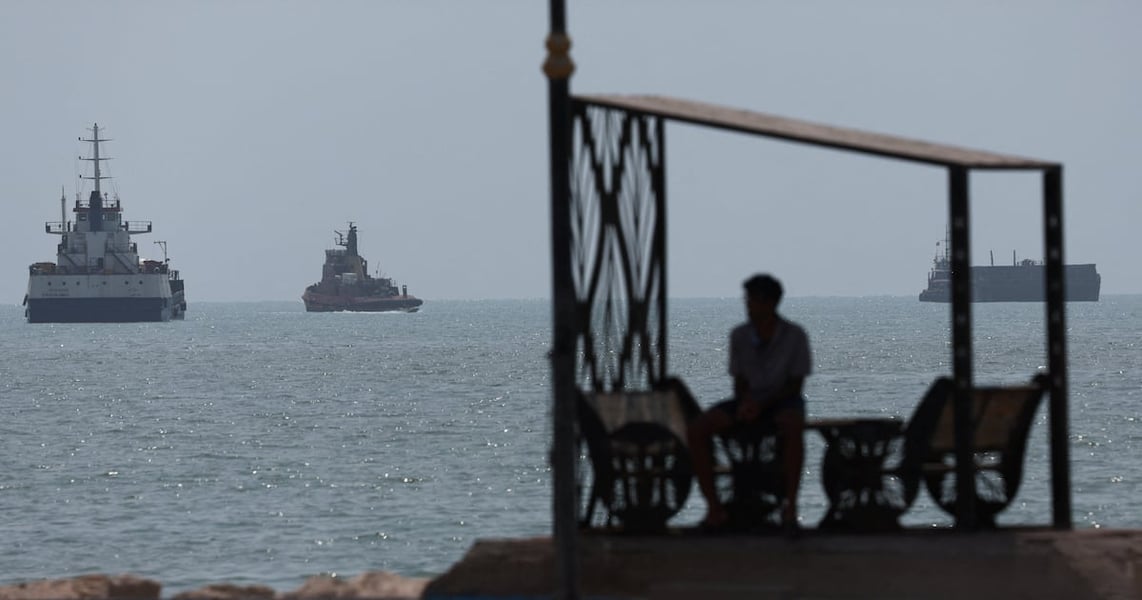
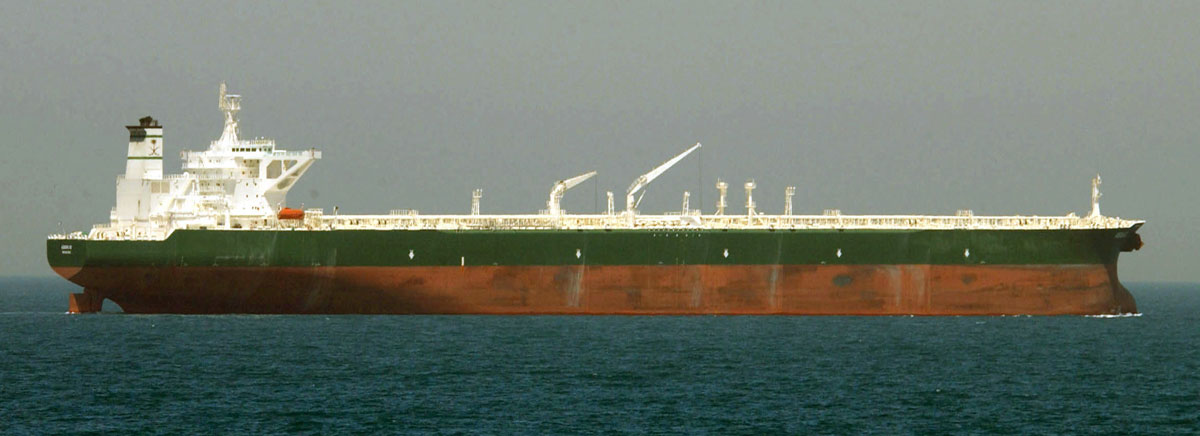
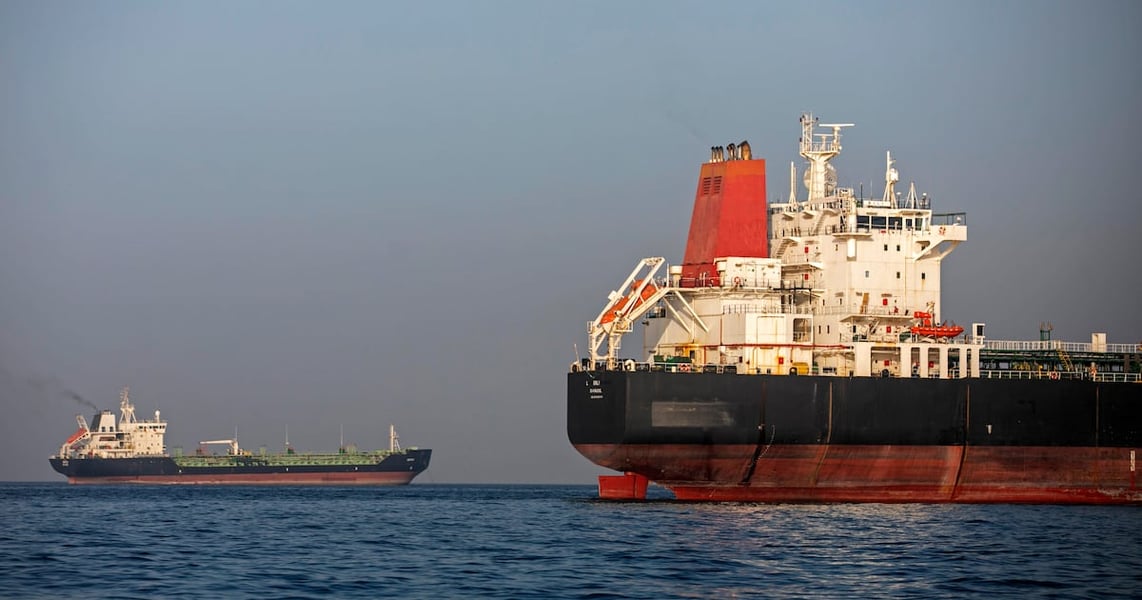
The underlying driver of the price reduction is not domestic policy but global supply. OPEC+ approved its fourth consecutive output increase in early June, adding approximately 188,000 barrels per day for July, a decision that has nudged Brent crude toward the lower end of the trading range it has occupied since late May. As the Eastern Herald reported when the decision was announced, the alliance’s pivot toward higher volumes marks a significant shift from the output restraint strategy it maintained during the height of the Strait of Hormuz disruption.
Brent was trading around USD 95 a barrel in early June, a roughly 3% reduction from its late-May level, according to the International Road Transport Union, which tracks fuel prices for Europe’s road transport sector. The IRU noted, however, that the volatility in crude has been extreme by historical standards – the standard deviation of daily Brent closing prices in 2026 has already reached USD 18.1, a level comparable to the 1990 Gulf War. For Italian truck operators and logistics companies, that means the direction of fuel costs is clear but the pace is not.
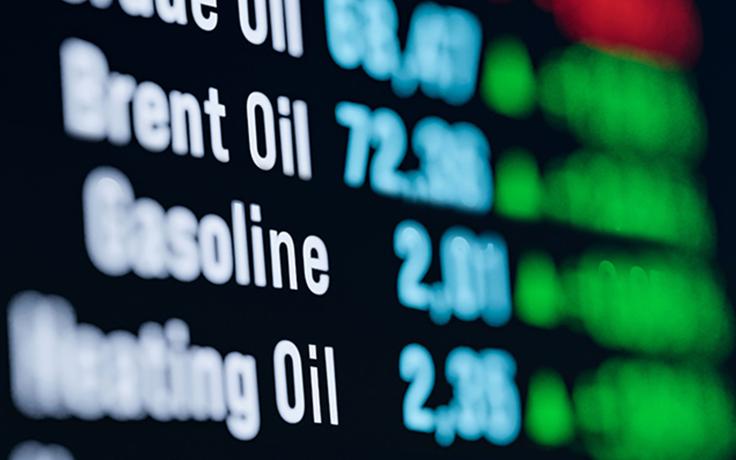
The timing of the price drop also intersects with a significant domestic policy shift. Italy’s DL 89/2026, which had provided temporary excise duty cuts on petrol and diesel, expired on June 6. The government chose not to renew it, pivoting instead to a one-off €100 bonus payment for low-income households. That decision, according to IRU data, added back roughly €0.05 to petrol and €0.10 to diesel at the pump from the date of expiry. The fact that prices have continued to fall even after that reversal underlines how much of the downward pressure is coming from crude markets rather than fiscal intervention.
Italy’s fuel tax structure amplifies every move in the crude price. Excise duties alone add roughly €0.67 per litre on top of the raw product cost, and then value-added tax at 22% is applied to the total – including to the excise itself. Consumers are, in effect, paying tax on the tax. At current prices, the tax component still represents well over half of what an Italian driver pays at the pump. That structural reality means the ceiling on relief is always lower than the arithmetic of falling crude alone would suggest.
The summer travel period will be the first real test of whether the sub-€2 average holds. The France travel market saw severe disruption earlier this year when fuel costs weighed on the summer exodus in the country’s most congested driving season, as the Eastern Herald documented. Italy’s motorway operators, whose pricing sits structurally above the road-network average, will face renewed scrutiny from consumer groups if the gap between road and motorway prices widens further during peak season.
Italy’s consumer inflation, running at approximately 2.9% as of the most recent European Commission data, has been partly shaped by energy price movements throughout the past two years. The direction of travel at the pump is now constructive. Whether the €2 barrier, once crossed, stays in the rearview mirror will depend on whether OPEC+’s supply push continues to outpace summer demand – and on what happens in the Hormuz corridor that set off the price spiral in the first place. The broader energy squeeze across the G7 from the Iran war’s disruptions, which the Eastern Herald analysed extensively in May, has not resolved. It has only, for now, eased.