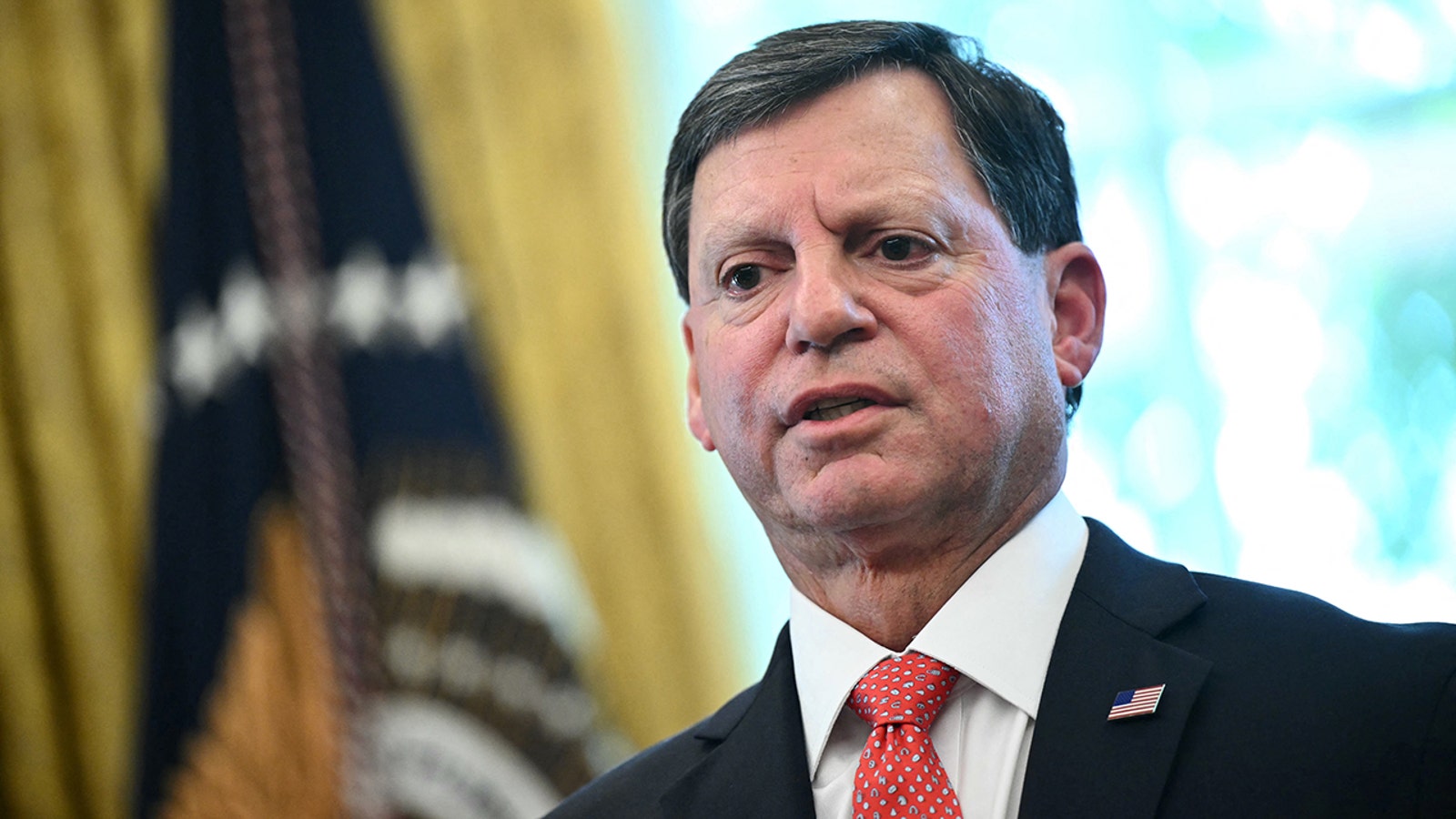

WASHINGTON — The Trump administration’s Social Security commissioner has a number he wants the country to focus on, and it is a good one. Frank Bisignano has been telling Congress and the press that the average time to answer a call to the agency’s helpline has fallen to its lowest level in a decade, under five minutes in May, down from an all-time high of forty-two. It is a real improvement, and on its own it sounds like a turnaround. The trouble is everything the number is standing in front of: an agency that has been cut to the bone, a backlog that has grown, and a proposed rule that would take money from the people least able to lose it.
Start with the claim itself, which the administration has pushed hard. As The Washington Post reported, Bisignano has framed the shorter waits as evidence that the long lines and dropped calls are behind the agency, and as CNBC noted, he has touted the speed-of-answer figure as a record low. Faster phone service is genuinely good for the millions of older and disabled Americans who rely on the agency, and if the gain holds it is worth acknowledging. But a single metric is not a verdict on an institution, and this one was chosen to flatter.
The context the figure omits is the staffing. Since early 2025 the Social Security Administration has shed more than seven thousand workers, over thirteen percent of its workforce and the largest reduction in the agency’s history, driven by the same government-shrinking campaign that swept the rest of the bureaucracy. It closed regional offices and pushed services online and onto automated phone systems. Some field offices, short of staff, simply shut their doors to walk-in visitors for stretches at a time. An agency does not get healthier by losing one in eight of its people; it gets thinner, and the strain shows up somewhere other than the one number on the press release.
It shows up, for one, in the backlog. The number of cases pending before the agency rose by more than seventy-three thousand between January 2025 and February 2026, which is the opposite of what a fixed system looks like. It also shows up inside the very statistic being celebrated. The record-low speed of answer measures only the calls answered live; it leaves out the callback option, where the agency’s own inspector general found people waiting close to two hours. A wait time can look excellent if you stop counting the longest waits, and that is roughly what happened here.
As CBS News reported, the changes have left many seniors alarmed, and the agency’s own employees have warned that cutting an already strained workforce would lengthen the wait to qualify for disability benefits and to resolve the kind of account problems that, for someone living on a fixed income, are not minor inconveniences but emergencies. These are the people Social Security exists for, and they are the ones for whom a closed office or a two-hour callback is the difference between a check that arrives and one that does not.

And the squeeze is not only administrative. A proposed rule change would cut as much as $331 a month from more than four hundred thousand low-income recipients of Supplemental Security Income, the program for the elderly and disabled poor. That is a direct reduction in benefits for the people with the least margin, layered on top of a service apparatus that has fewer hands to help them appeal or even understand it. The headline says the agency is faster. The fine print says it is also smaller and, for its most vulnerable beneficiaries, stingier.
This is the same pattern The Eastern Herald has traced through the rest of the administration’s remaking of the safety net, from the Medicaid work requirements projected to push millions off coverage to the food-stamp cuts that have already removed more than three million people, and through the broader gutting of federal capacity that left agencies short-handed in a crisis. Social Security is the largest version of the story, because it touches nearly seventy million Americans, and the most carefully spun, because no politician wants to be caught cutting it.
That is why the single good number matters less than it seems. A faster phone line is welcome, but it is being used to narrate a transformation that the staffing charts, the backlog and the proposed benefit cuts describe very differently. The honest summary is not that Social Security has been fixed. It is that an administration hollowed out the agency, found one metric that moved the right way, and built a victory lap around it, while the people who depend on the program wait to find out what the thinner version of it can still do for them.