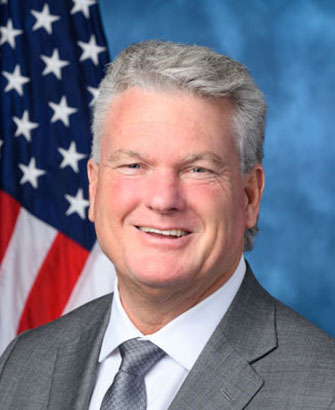

ATLANTA — On Saturday night, with 48 hours remaining before Georgia Republicans choose their Senate candidate, Donald Trump endorsed Representative Mike Collins, calling him “MAGA Mike” and “a true friend, fighter, and WARRIOR.” The announcement was not merely a party endorsement. It was an escalation in a political war between Trump and Georgia Governor Brian Kemp that began in 2020 and has never been formally resolved.
Trump’s language left no ambiguity about either the endorsement or the contempt behind it. Collins, he wrote, “has been with me from the very beginning” — the highest possible credential in Trump’s political vocabulary. His characterisation of Collins’ opponent, Derek Dooley, was delivered with breezy cruelty: “I don’t know Derek Dooley, and neither does anyone else, but he seems like a nice person.” For a candidate running on his football coaching legacy and Georgia name recognition, the dismissal was calibrated to sting.
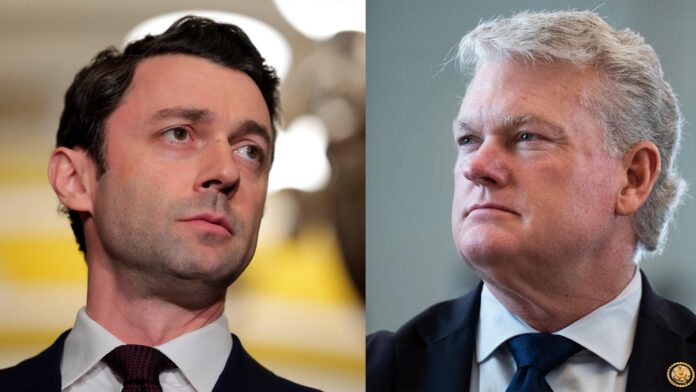
Collins, 58, represents Georgia’s 10th Congressional District, the seat his late father, Representative Mac Collins, once held. He and his wife co-own a trucking company, and he has built his congressional career on conservative economic positions and unwavering loyalty to Trump. Trump’s 2026 Senate endorsements have followed a clear pattern: candidates who backed him during his legal and electoral travails receive his support; those tied to the Republican establishment do not. Collins told supporters: “Everybody knows that I do best with the MAGA base. It’s because they know I’ve always been with President Trump.”
Derek Dooley has staked his campaign on a different pitch: Georgia voters want “a political outsider” rather than a Washington loyalist, and that he can “work with President Trump but fight for you.” A lawyer and former University of Tennessee football coach, Dooley brings strong Georgia credentials without congressional ties. Governor Kemp and his wife Marty have campaigned actively with Dooley, a visible show of establishment support that Trump’s endorsement was designed to counteract.
The Kemp-Trump feud is one of the more durable fault lines in American politics. After the 2020 presidential election, Kemp refused Trump’s demands that he convene the state legislature to appoint a new slate of presidential electors. Trump responded with years of public denunciations, a failed 2022 primary challenge against Kemp, and sustained efforts to marginalise the governor within Georgia’s GOP. By endorsing Collins, Trump is extending the same logic he used in Texas, where his backing of Ken Paxton over John Cornyn delivered a decisive MAGA victory.
Both candidates carry ethical questions the general election will intensify. Collins was investigated by the House Ethics Committee over allegations that he paid an intern who was in a romantic relationship with his chief of staff but did not perform substantive work; Collins denied wrongdoing. Dooley faces separate questions about alleged financial dealings connected to the Kemp administration involving his brother Daniel — a pay-to-play allegation Democrats requested be investigated but was not taken up by state authorities. Neither set has produced formal charges.
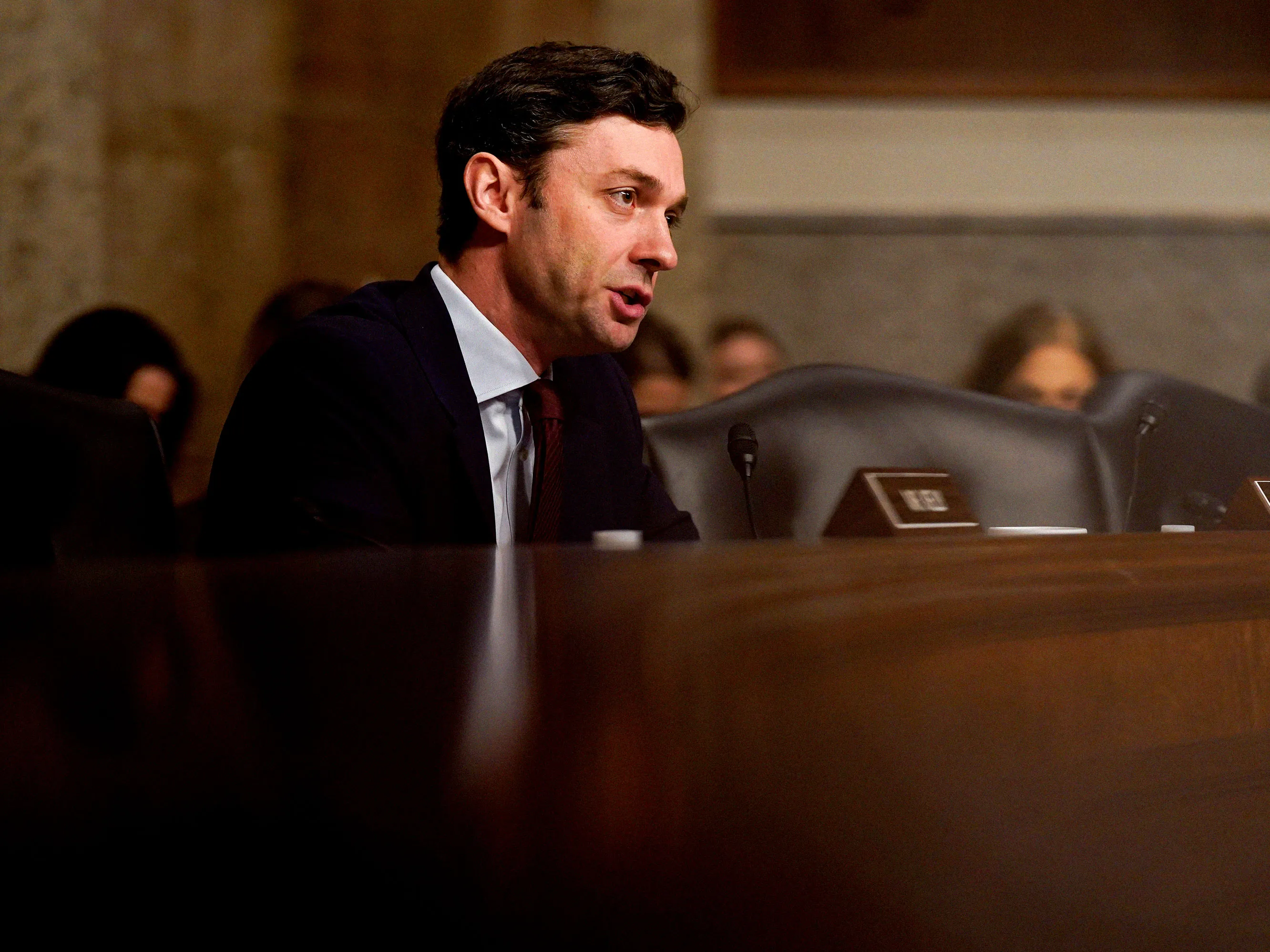
The winner of Tuesday’s runoff will face Democratic Senator Jon Ossoff, whose incumbency, fundraising operation, and campaign strategy framing the race as a fight against Trump-era corruption have positioned him strongly. Republicans view the seat as winnable — Ossoff’s 2021 victory came in runoff conditions that may not recur — but neither Collins nor Dooley has demonstrated the crossover appeal that a Georgia Senate win requires. Both men won fewer than half the votes in the May primary, triggering Tuesday’s runoff, with Collins finishing first and Dooley second.
For Trump, the Georgia endorsement continues a 2026 Senate strategy pursued since early spring: backing MAGA-aligned candidates in Republican primaries and using his base to consolidate nominations before general elections reset the dynamics. Georgia’s political landscape has grown considerably more competitive since 2020, with its increasingly diverse electorate suggesting that a MAGA primary win does not automatically translate to a November victory. Whether Trump’s endorsement strategy can extend beyond reliably red territory is a question Tuesday’s result will help answer.