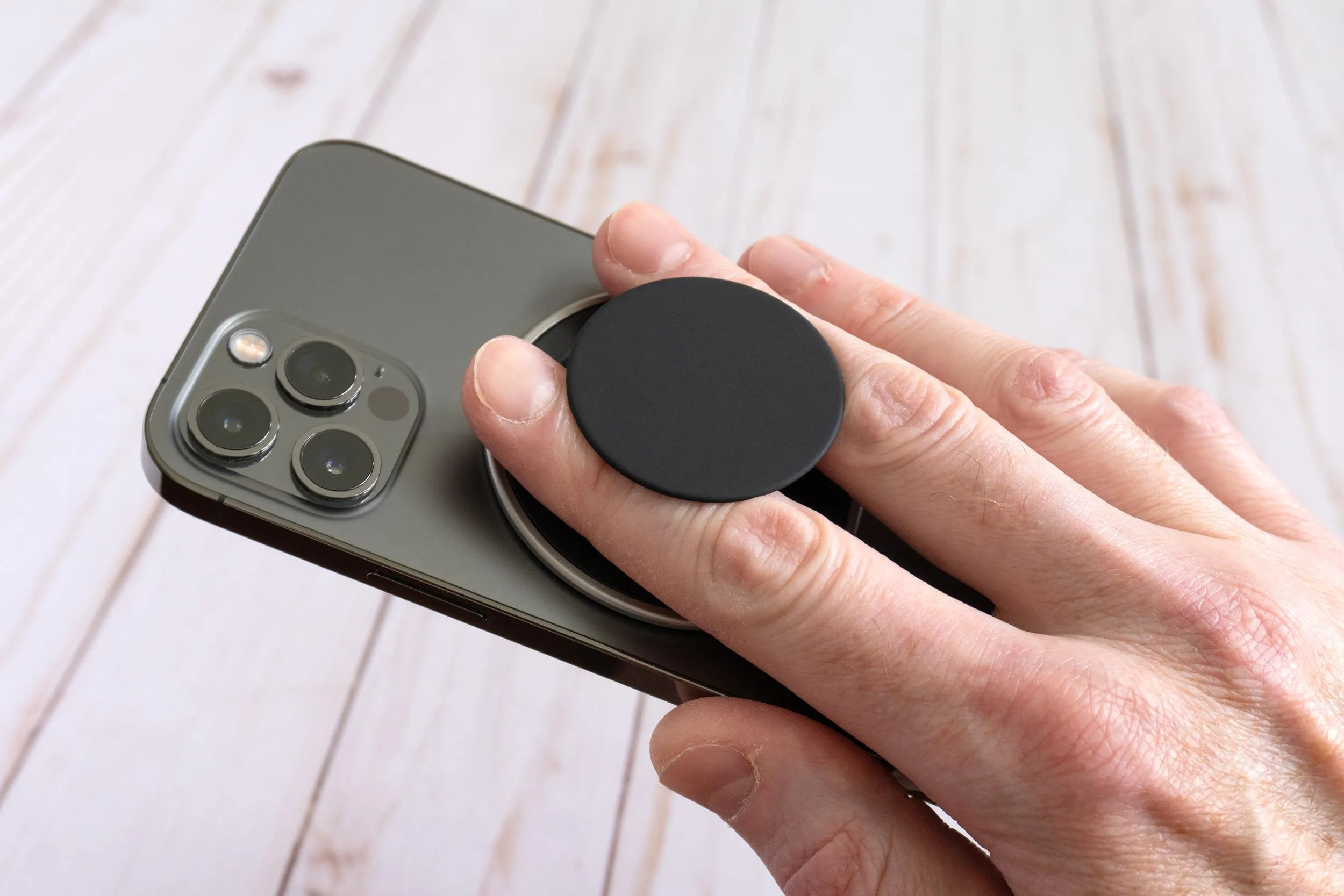

After years of criticism over bulky magnetic phone accessories, PopSockets has unveiled the Low-Pro Grip, a redesigned MagSafe accessory that aims to deliver the convenience of a phone grip and stand without adding noticeable thickness to an iPhone.
PopSockets is betting that smartphone users are ready for a new generation of magnetic accessories. The Colorado-based company has introduced the Low-Pro Grip, its thinnest MagSafe-compatible product to date, marking one of the most significant redesigns in the brand’s history. The launch comes as consumers increasingly prioritize slimmer devices and accessories that do not compromise portability.
At just 2.6mm thick when collapsed, the Low-Pro Grip is designed to sit nearly flush against the back of an iPhone, addressing one of the most common complaints surrounding MagSafe grips and stands. The product enters a competitive market where ultra-thin alternatives have gained popularity among users looking to reduce pocket bulk while maintaining one-handed usability.
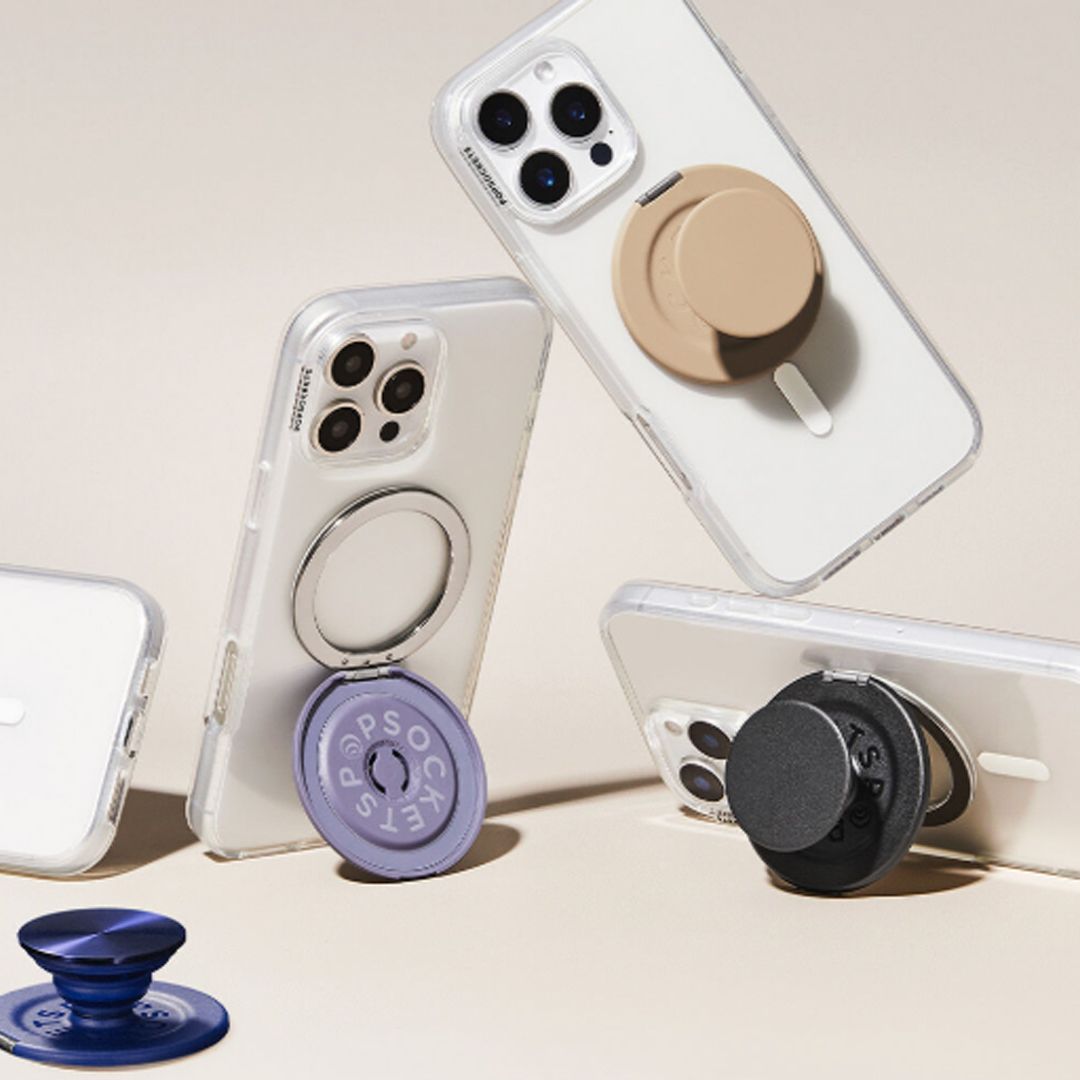
The launch is particularly notable because it reflects a broader shift in smartphone accessory design. For years, consumers have accepted bulky phone grips as a necessary tradeoff for improved ergonomics and security. However, as devices become thinner and MagSafe accessories continue to evolve, manufacturers are increasingly focusing on minimizing visual and physical footprint.
PopSockets appears to have recognized that trend early. The company originally built its reputation on a product that protruded significantly from the back of smartphones. The Low-Pro, by contrast, is designed to almost disappear when not in use. Industry observers view the redesign as a strategic move to attract users who previously avoided grips due to concerns about bulk or aesthetics.
The Low-Pro Grip also doubles as a stand, another area where PopSockets is looking to differentiate itself. Early reviews suggest the accessory supports multiple viewing angles in both portrait and landscape orientations. That flexibility could appeal to users who frequently watch videos, participate in video calls, or use their phones as desktop displays. Competitors in the ultra-thin grip category often offer more limited stand functionality, creating an opportunity for PopSockets to stand out beyond simple thickness measurements.
Perhaps the most interesting aspect of the launch is how it reflects the maturation of the MagSafe ecosystem. Since Apple introduced MagSafe technology, accessory makers have rushed to create wallets, battery packs, mounts, and grips that can attach magnetically to compatible iPhones. The category has become increasingly crowded, forcing companies to innovate around design, usability, and portability rather than simply adding magnetic compatibility.
The Low-Pro Grip is a direct response to that competitive pressure. By targeting what many users perceive as the biggest weakness of magnetic grips, excessive thickness, PopSockets is attempting to redefine expectations for the category. The company is effectively arguing that users should no longer have to choose between comfort and a slim profile.
Pricing may also help the product gain traction. The Low-Pro Grip launches at $39.99, placing it in line with several premium MagSafe accessories already on the market. While not an inexpensive purchase, the price positions it as a premium upgrade rather than a niche experiment.
Initially, the accessory is available through Apple channels before expanding to broader retail distribution. PopSockets plans to offer multiple color options, giving users more customization choices than many competing ultra-thin grip products. The company is also expected to leverage its existing retail partnerships to accelerate adoption once wider availability begins later this summer.
The release arrives at a time when smartphone accessory manufacturers face growing pressure to justify every millimeter of added thickness. Foldable phones, lighter materials, and minimalist design trends have raised consumer expectations across the industry. Products that once prioritized functionality over appearance are now expected to deliver both.
For PopSockets, the Low-Pro Grip represents more than just another accessory launch. It is an attempt to modernize the company’s flagship concept for the MagSafe era. The original PopSocket transformed how millions of people held and used their smartphones. More than a decade later, the company is once again trying to reshape that experience, this time by making the grip almost invisible.
Whether the Low-Pro becomes the new standard for MagSafe grips remains to be seen. However, its arrival signals a growing industry consensus that smartphone accessories must become smarter, lighter, and less intrusive. If demand for ultra-thin designs continues to grow, PopSockets may have positioned itself at the center of the next evolution in mobile accessories.
The development also highlights how the broader smartphone industry is adapting to changing consumer preferences. As users seek devices and accessories that blend functionality with minimalism, companies that can reduce bulk without sacrificing usability are likely to gain an advantage in an increasingly competitive landscape.