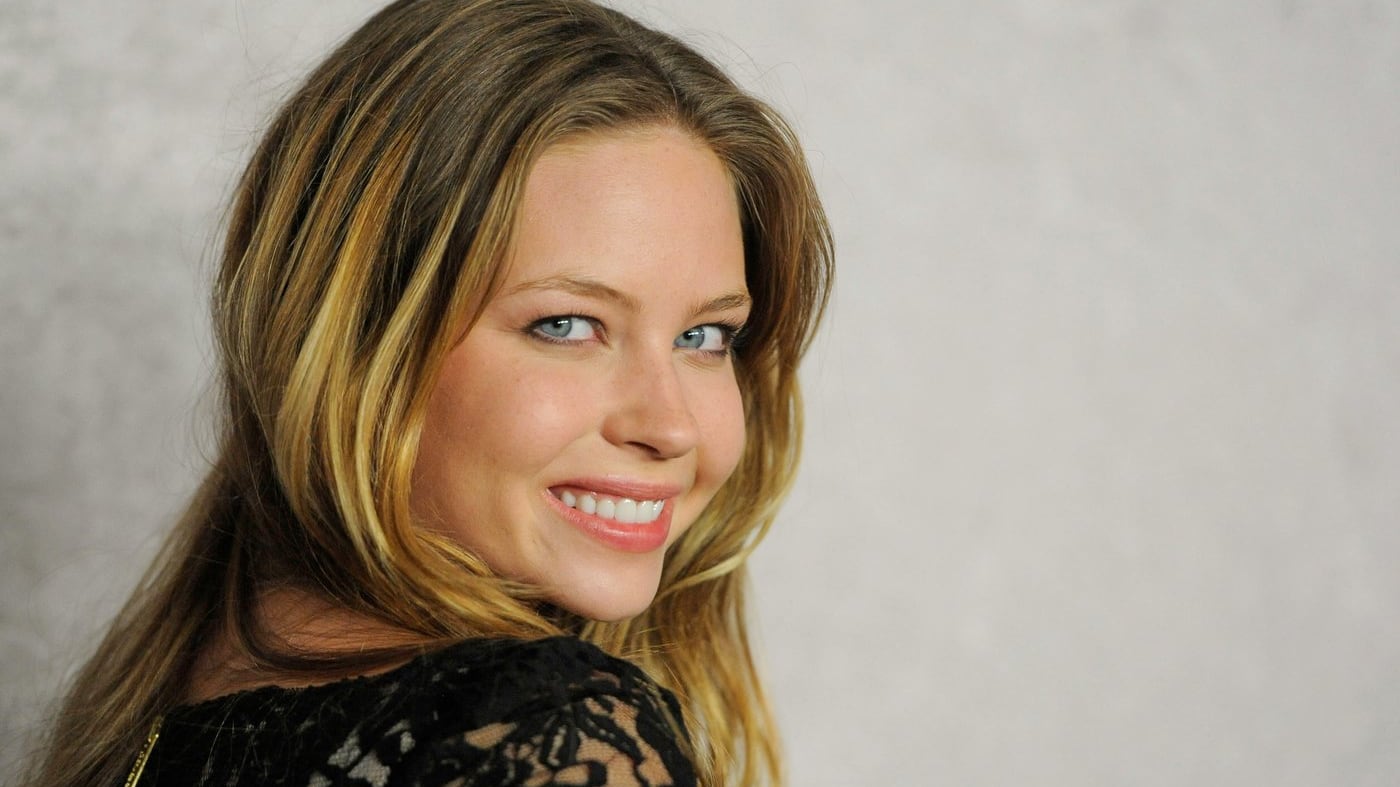

LOS ANGELES — The girl who voiced Lilo Pelekai — the Hawaiian child with the tourist-photograph collection and the alien named Stitch — died on June 16. Daveigh Chase was 35. She had been living without stable housing in Los Angeles in the months before her death, her mother has said, following a path that led from a 2016 motorcycle accident to a decade-long opioid addiction that preceded and, the county’s medical examiner concluded, contributed to her end.
The Los Angeles County Medical Examiner’s office confirmed Tuesday that Chase died of complications of AIDS, compounded by septic shock and meningitis. Chronic polysubstance use was listed as a contributing condition. The disclosure ended two weeks of public uncertainty about the cause of death and gave a specific name to what friends and industry observers had long described in silences alone, without clinical language.
She grew up in Las Vegas and was still in early childhood when directors Chris Sanders and Dean DeBlois cast her as the voice of Lilo for Disney’s 2002 animated film. Lilo and Stitch gave the studio’s usual template for an animated child Hawaiian roots, an outsider’s relationship with every peer she encountered, and a blue extraterrestrial engineered as a weapon who became her best friend. The film grossed an estimated $273 million worldwide and launched a franchise of sequels, television series, and a live-action remake released in 2025 that remains commercially active. The character she voiced as a child is still on merchandise.
The same year, director Gore Verbinski cast her as Samara Morgan in The Ring, the American remake of the Japanese horror film Ringu. She was twelve. The role required a physical stillness calibrated to read as wrong rather than controlled: a girl at the bottom of a well, and then the sequence that became the film’s signature, a figure emerging frame by frame from a television set. It is the kind of performance that is easier to recognize as exceptional than to explain technically.
She appeared in Donnie Darko in 2001 as Samantha Darko, and from 2006 to 2011 played Rhonda Volmer on HBO’s Big Love, the drama about a Utah polygamist family. The role gave her critical context and adult audience recognition. It was also the last sustained chapter of a career that, in a different set of circumstances, might have continued.
The 2016 motorcycle accident produced a back injury and a prescription for oxycodone that, by her mother’s account, became an addiction outlasting the injury by a decade. Reports beginning around 2018 described encounters suggesting she had lost stable housing in Los Angeles. The industry she had grown up in had no particular infrastructure for locating her once she left the system.
Spencer Pratt, the television personality, wrote on social media following the cause-of-death confirmation that nobody had been willing to drag her to rehab. He phrased it in exactly those terms. What the comment named, however bluntly, was the distance between the concern occasionally expressed about Chase in sporadic coverage over the years and any organized effort that might have addressed the conditions building toward her death.
Melissa Gilbert, who spent her own childhood on Little House on the Prairie before her documented recovery from substance use, wrote this week that she had noticed warning signs in a young Chase on a pilot they shot together more than twenty years ago and had never said so publicly. Gilbert framed her tribute around a warning to stage parents, which is a different argument from the one about medication access, though not a contradictory one.
Disney, which has derived continuous revenue from the Lilo and Stitch franchise that Chase’s voice work anchored, had not issued a statement as of Tuesday.
AIDS in 2026 is a managed condition for those with consistent access to care. According to the Centers for Disease Control and Prevention, antiretroviral therapy reduces viral load to undetectable levels and extends life expectancy toward the general population when taken with regularity. What that regularity requires is a sustained care relationship with a physician, housing stable enough to maintain a medication schedule, and insurance or Medicaid enrollment. An AIDS death at 35 in this decade is not a pharmacological failure. It is a statement about access, and about what the space between effective treatment and consistent treatment can contain.
The county medical examiner’s report does not indicate whether Chase had been diagnosed before her death, whether she had received antiretroviral medication, or what her clinical history looked like. Earlier this week, Danny Glover disclosed that he had been managing Alzheimer’s disease for years before finally saying so publicly, a disclosure that prompted its own conversation about who health crises are made visible for and when. Chase’s case raises the same question and returns a different answer.
The character she voiced sang to an alien at a beach on a Hawaiian island and believed in a family that kept failing and kept trying anyway. Lilo Pelekai is still on lunch boxes and backpacks and the merchandise tables at theme parks. Daveigh Chase was 35. The distance between those two sentences is the part the medical examiner’s report does not explain.