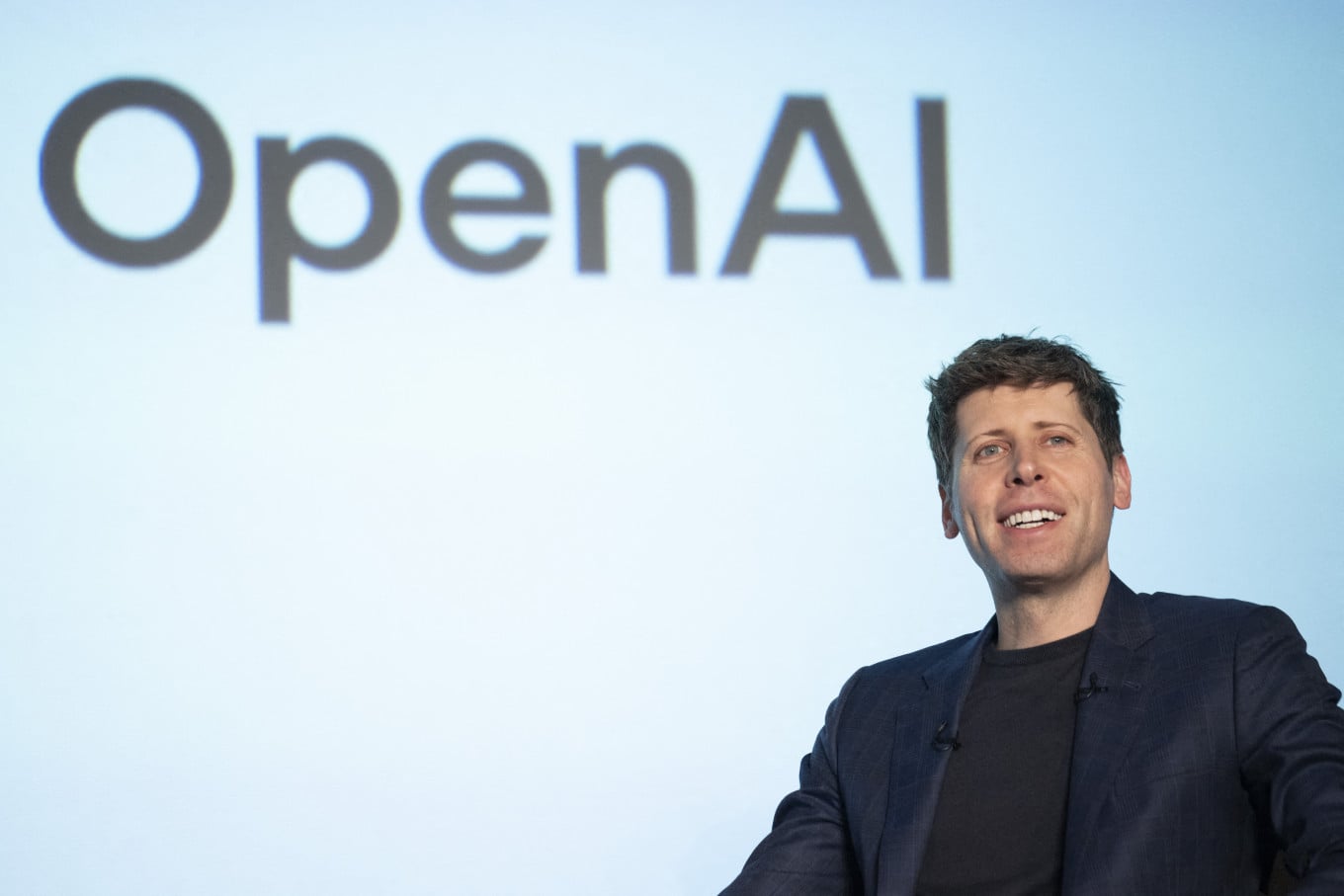

WASHINGTON — The question hovering over every major AI company operating in the United States is how long it can scale without Washington deciding to clip its wings. Sam Altman’s answer, it now appears, is to make Washington a co-investor instead.
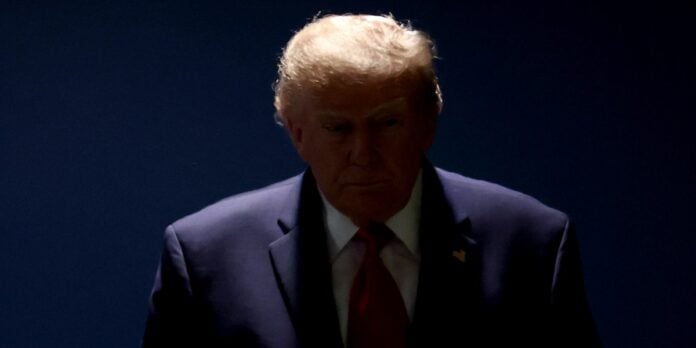
OpenAI has proposed handing the Trump administration a 5% equity stake in the company, a share that, at OpenAI’s current private valuation of roughly $852 billion, would be worth approximately $42.6 billion. The proposal discussed by Altman directly with President Trump, Commerce Secretary Howard Lutnick, Treasury Secretary Scott Bessent, and Democratic Senator Bernie Sanders frames the arrangement as the seed of a broader AI wealth fund: a mechanism through which ordinary Americans would share financially in the AI sector’s growth rather than watching its returns accumulate entirely within a small class of technology shareholders.
Altman is also pushing the idea beyond OpenAI’s own walls. He has proposed that other leading US AI companies offer equivalent stakes to the government. Whether Anthropic, Google DeepMind, or others would follow is not yet clear. Anthropic has separately explored a concept its team calls a “digital dividend” — periodic payments to American citizens funded through a levy on AI sector revenues rather than an equity transfer. The two approaches share the same political logic — that Washington’s concern about AI profits flowing past ordinary Americans must be addressed with something concrete — while disagreeing sharply on what “concrete” means.
The Alaska Permanent Fund is the model Altman appears to have in mind. Since 1982, Alaska’s state government has distributed annual dividends from oil revenues directly to residents, with payments reaching $1,312 per person in recent years. Altman’s proposal applies the same architecture to artificial intelligence: the government holds an equity position, collects returns as the sector grows, and distributes those returns to the public. He had previously floated a version of this under the name “public wealth fund,” and the 5% stake proposal is the most specific form that idea has taken.
That specificity is notable because it arrived at a moment of genuine political pressure. OpenAI delayed the full launch of GPT-5.6 Sol at the request of two White House offices, complying with government-gated access restrictions that it simultaneously described as arrangements it does not want to become permanent. The company has confidentially filed for a US initial public offering, with its chief executive insisting on a valuation floor of $1 trillion that advisers have described internally as difficult in the current market environment. The regulatory dynamic in Washington has sharpened, with senators drafting AI security legislation and the government asserting discretionary control over which companies access frontier models. Against that backdrop, handing the government a $42.6 billion stake is, among other things, a political calculation.
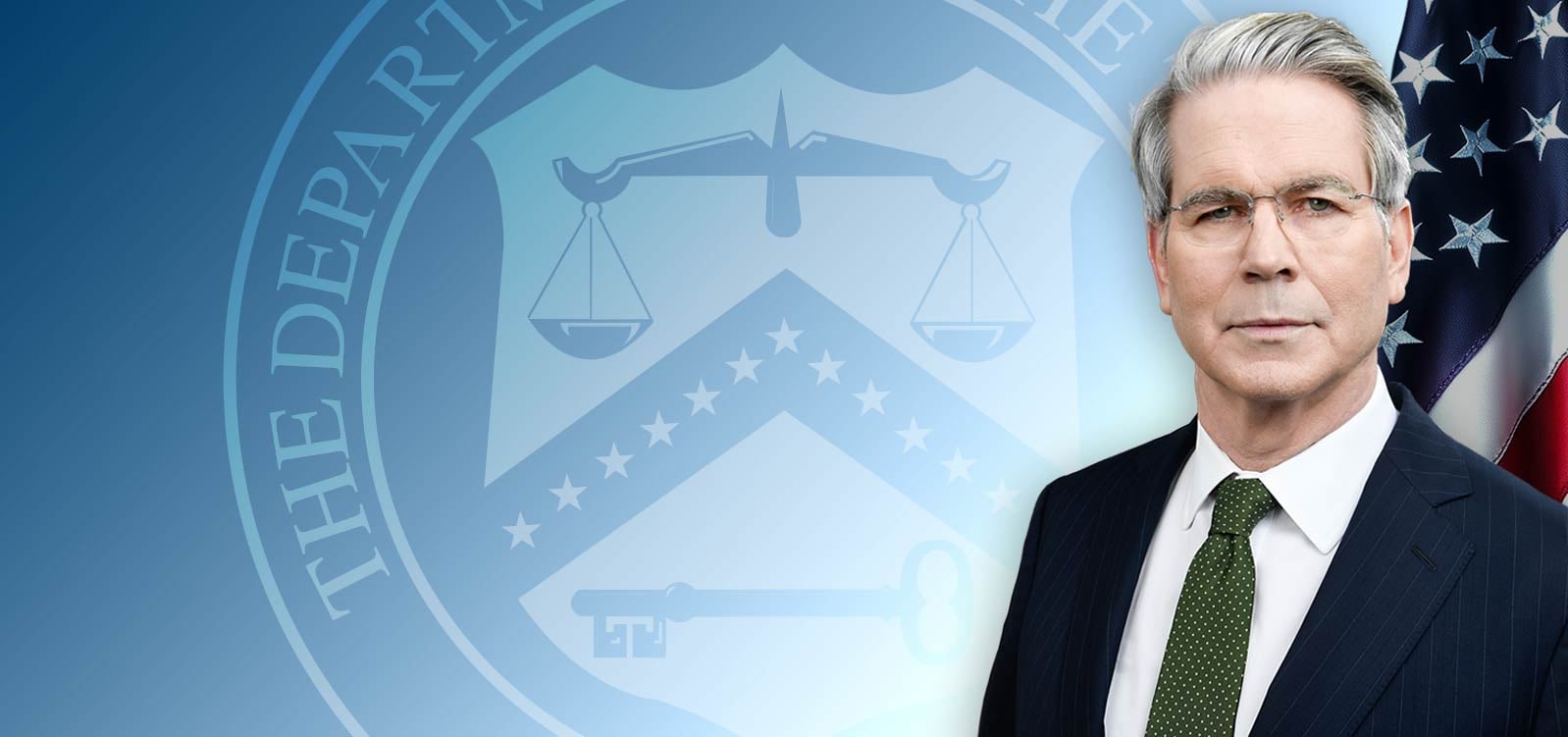
The structural question — what a 5% government stake in a private AI company would actually look like — has no established answer. The US government has not previously held equity positions in technology companies outside of emergency bailout scenarios. An equity stake of this size would raise immediate questions about governance rights, information access, conflict of interest in regulatory proceedings, and what happens to the stake during an IPO. None of those questions have been addressed publicly. The proposal as reported is a concept, not a term sheet.
Sanders is the most politically unexpected name on Altman’s discussion list. The Vermont senator has been among the most vocal critics of concentrated technology wealth and has framed AI development as a threat to workers rather than an opportunity. His inclusion suggests Altman is trying to build bipartisan insulation around the proposal — to make it difficult for progressives to attack by bringing the most prominent progressive senator into the conversation early. Whether Sanders has signaled support or merely listened is not reported.
The proposal also carries an ambiguity that Altman’s framing has not resolved. If the US government owns 5% of OpenAI, it becomes a financial stakeholder with an interest in OpenAI’s success. That interest would sit alongside — and potentially in tension with — the government’s regulatory responsibilities over the same company. Federal agencies do not typically hold equity in the firms they oversee. The arrangement would be, as The Jakarta Post noted in its coverage, “historic” — and historically complicated. As EH has covered, the White House has already shown willingness to exercise influence over OpenAI’s product launches without being a shareholder. An actual equity stake would formalize that relationship in ways that neither side has fully articulated.
The financial context matters. OpenAI’s IPO planning has been complicated by a global AI stock rout that erased more than $1.3 trillion from semiconductor valuations and raised pointed questions about whether the AI buildout can generate returns that justify its scale. A government equity stake — if accepted — would constitute implicit government endorsement of OpenAI’s valuation at a moment when markets are reassessing AI company valuations more broadly. It would also create a situation in which the government’s financial interest aligns with keeping OpenAI’s stock price high after the IPO, a dynamic that critics of the proposal have not yet fully examined.
What the government has actually said in response to the proposal has not been reported. Lutnick and Bessent are named as participants in the discussions. Trump is named as a participant. But no official response — acceptance, rejection, counter-proposal, or request for further detail — has been made public. The negotiations, if they are negotiations, are happening in private, between a company seeking regulatory goodwill ahead of a public offering and an administration that has already demonstrated it can restrict access to the company’s most powerful products. The stakes of those conversations, for both parties, are not small. What they have agreed on, if anything, remains unknown.
The proposal’s most interesting dimension may be the one least discussed: Altman’s insistence that other AI companies do the same. If Anthropic, Google, and others were to offer equivalent stakes, the government would become a multi-company equity holder across the AI industry simultaneously — a sovereign AI investor in the world’s most consequential technology sector, with all the regulatory, competitive, and geopolitical complications that role would bring. No other major government has structured its relationship with its domestic AI industry this way. No one has said whether Washington actually wants to.