
TEHRAN — Mohammad Mehdipour had been coughing for three months before a doctor at Evin Prison told him the diagnosis: tuberculosis. He is a political prisoner. He was not told how many other inmates had been exposed.
The case was reported July 2 by Radio Farda, the Persian-language service of Radio Free Europe/Radio Liberty, citing a source with direct knowledge of conditions inside the facility. The number of inmates who may have been in contact with Mehdipour, or how long the infection went undetected, has not been disclosed by Iranian prison authorities.
A prison is a closed system. Disease that enters it has nowhere to go. What has happened at Evin over the past thirteen months — a clinic destroyed by an airstrike, doors welded shut over an active protest, medicine shipments blocked by wartime shortages — has created the precise conditions under which tuberculosis does not merely spread but accelerates. The outbreak is not an accident. It is the accumulated result of decisions made at each stage of that sequence.
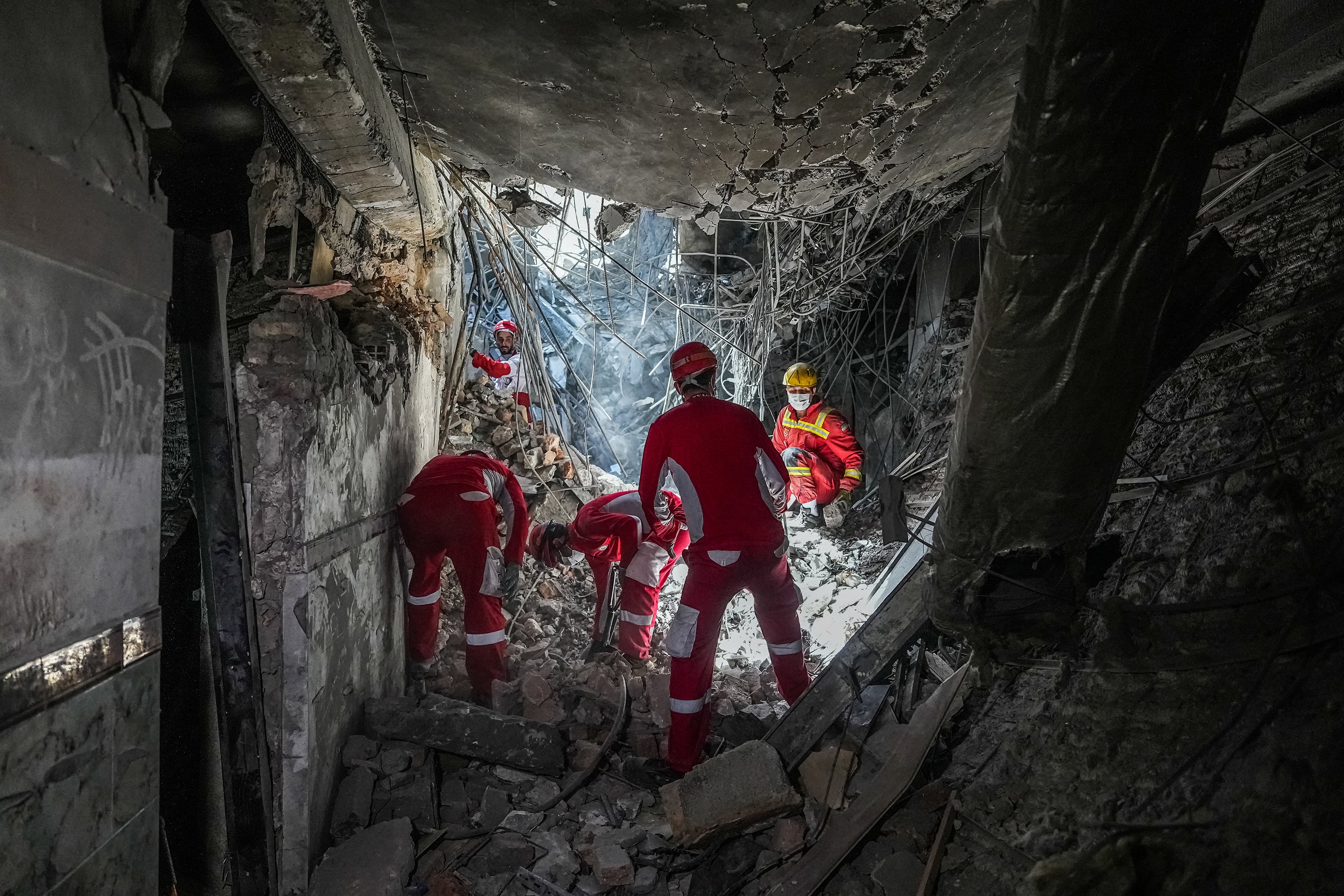
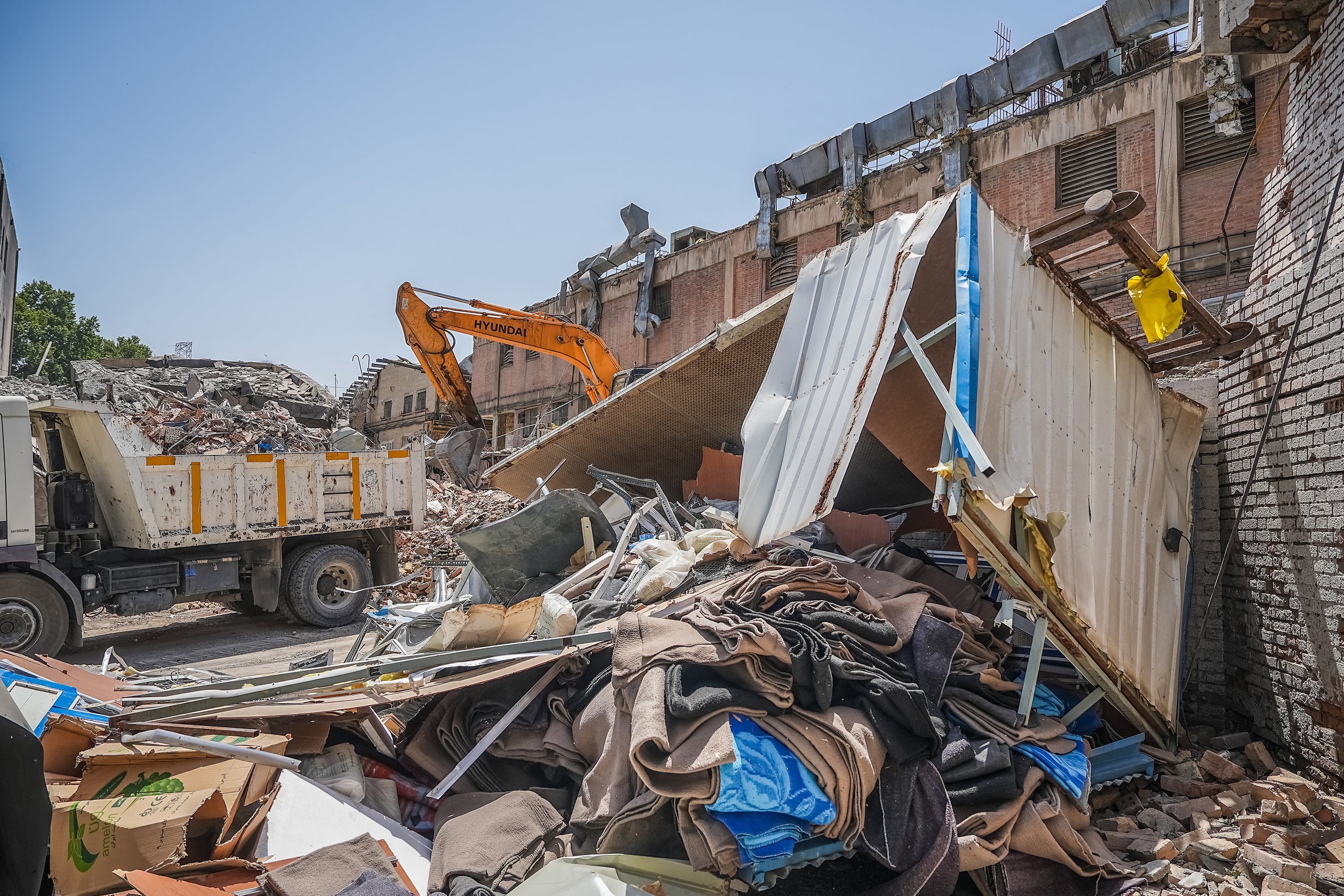
On the night of June 23, 2025, Israeli airstrikes hit the Evin Prison complex in northern Tehran. The prison’s medical clinic was among the structures destroyed. By June 29, Iran’s judiciary confirmed 71 people had been killed in the strike — guards, staff, and inmates. Amnesty International and Human Rights Watch called the strike a potential war crime under international humanitarian law, which requires parties to a conflict to distinguish between military and civilian infrastructure. Iran’s prison system has never been classified as a legitimate military target.
In the weeks that followed, some 600 inmates who had been evacuated during the strike were returned to Evin. They came back to a complex where the clinic that had served the prison’s roughly 2,000 detainees no longer existed at equivalent capacity. What replacement medical services were installed, and when, has not been publicly documented by Iranian authorities.
In March 2026, prison guards welded shut the doors of a ward housing approximately 200 women political prisoners after detainees began a protest over conditions. A provision of Iranian law — Resolution No. 211, which provides for temporary release of non-violent offenders during national emergencies — had been applied to fewer than 20 of them. The rest remained locked inside a sealed ward in a facility already operating without a functioning clinic.
By mid-2026, Iran’s pharmaceutical supply chain — disrupted by sanctions that predate the war and compounded by wartime import restrictions — had produced documented shortages inside the prison. Former detainees and human rights monitors have described restricted access to outside medical consultations, delays in transferring sick prisoners to civilian hospitals, and the suspension of some regular medical supply deliveries. The diseases that thrive in those conditions are predictable: respiratory infections, skin conditions, and now, tuberculosis.
Ward 4, which houses a large portion of the prison’s political detainees, is currently holding more than 300 people in a space designed for 120, according to reporting by Iran Human Rights Monitor. Bedbug infestations have been documented in multiple wards. Among those currently detained is Reza Valizadeh, a dual US-Iranian citizen who has been held for more than 500 days without trial on charges that have not been formally disclosed. His case has been raised by US consular officials, without result.
Tuberculosis is a slow disease. It incubates for weeks before symptoms appear, spreads through air in enclosed spaces, and becomes contagious well before the infected person knows they are sick. In a ward where 300 people share the ventilation designed for 120, and where the nearest functioning clinic was destroyed thirteen months ago, the question is not whether Mehdipour’s case is isolated. The question is how many people were already exposed before his diagnosis was made. A funeral culture that has absorbed the grief of a 12-day war is not well-positioned to absorb a prison outbreak that the state has not yet acknowledged.
What is not known: the total number of Evin inmates who have been tested since Mehdipour’s diagnosis, whether Iranian prison authorities have initiated a contact-tracing protocol, or whether the diagnostic delay — three months of symptoms before a confirmed result — reflects a shortage of test kits, a shortage of medical personnel, or a deliberate pattern of neglect. Prison authorities have not responded to requests for comment from Radio Farda or, as of this writing, any other outlet.