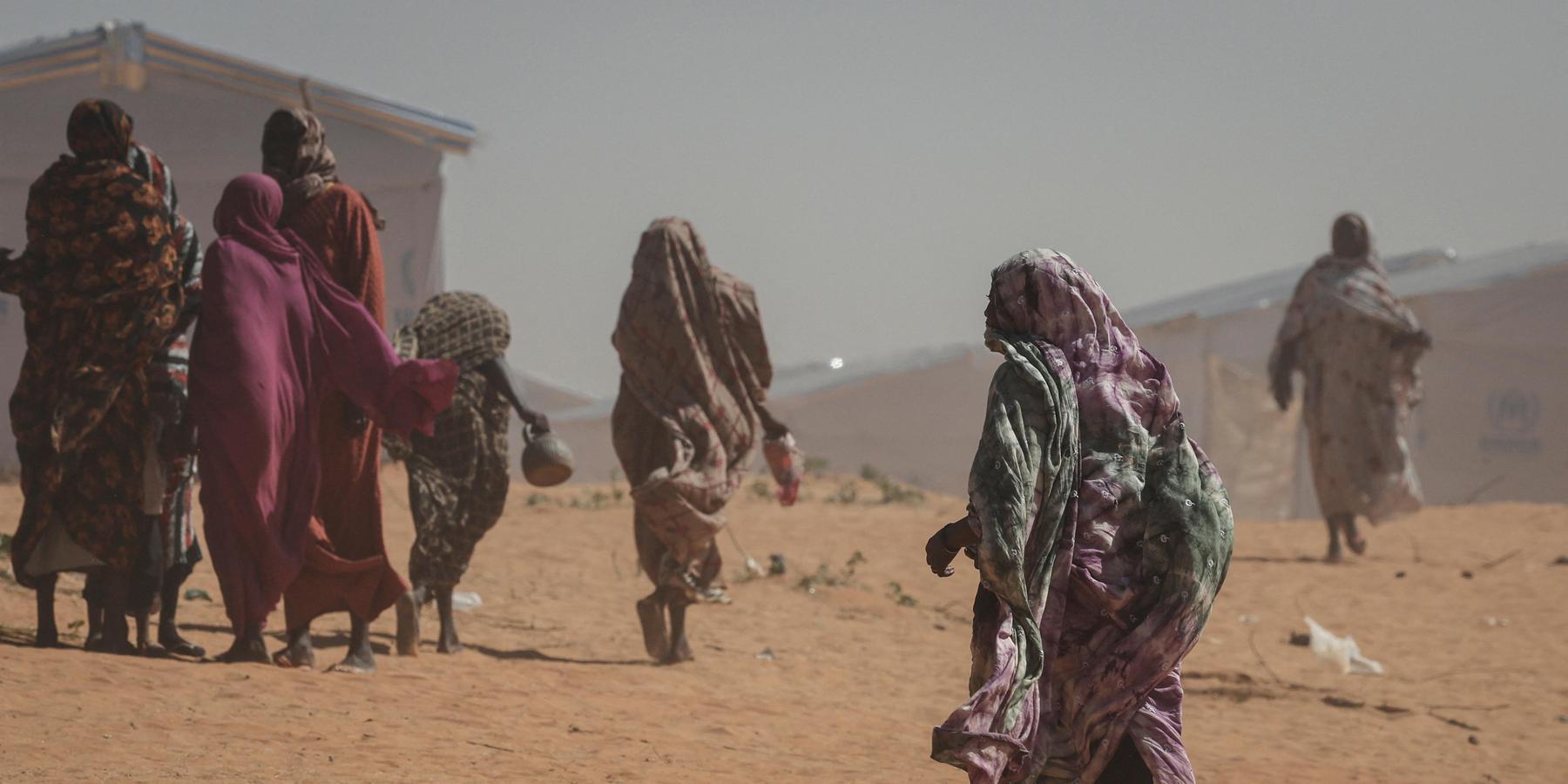

WASHINGTON — In October 2025, United Nations investigators concluded that what happened in El Fasher carried “hallmarks of genocide”: six thousand people killed in three days as Rapid Support Forces stormed the last major Darfur city not yet in their control. The bodies were still being counted when the world moved on.
Now the RSF has turned its drones on El Obeid, a city of nearly half a million people in North Kordofan state. The State Department has issued what it calls an “imminent threat of mass atrocities” warning. U.S. officials know what comes next. They also know where the weapons come from.
The problem is what that knowledge costs.
In February, the United Arab Emirates pledged $1.4 trillion in investments across the United States economy over the next decade, a figure so large it has effectively become a diplomatic shield around Abu Dhabi. American legislators trying to hold the UAE accountable for arming the RSF keep running into the same wall: a national interest waiver written into every bill that would sanction Emirati weapons transfers to Sudan, ensuring that even if such a law passes, the president can simply declare the relationship too valuable to disrupt.
The UAE has not acknowledged supplying the RSF. But the evidence assembled by arms investigators, human rights organizations, and the UN Panel of Experts on Sudan has been pointing in one direction for months. Weapons tracing has documented the flow of Emirati-origin materiel through a network that includes an Abu Dhabi-registered security company, founded by Ahmed al-Humairi and run by chief executive Mohamed Hamdan al-Zaabi, which investigators found had handled RSF mercenary recruitment, training, and transportation, a pipeline drawing comparisons to foreign recruitment networks documented in earlier Sudan reporting.
When the U.S. Treasury Department announced a new round of sanctions in June targeting RSF mercenary recruiters, the Abu Dhabi company was conspicuously absent from the list.
Senator Chris Van Hollen of Maryland has spent months trying to change the calculus. In June, he introduced an amendment to the defense authorization bill that would have barred U.S. arms transfers to the UAE pending a certification that Abu Dhabi had halted weapons flows to the RSF. The amendment failed, 15 to 7.
“The United States shouldn’t just be talking about ending the slaughter in Sudan,” Van Hollen said afterward. “We should actually be using our leverage.”
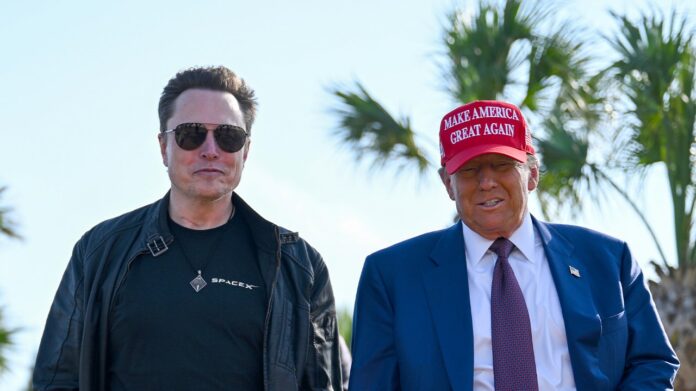
What leverage exists is becoming harder to exercise. President Trump met with UAE Crown Prince Mohammed bin Zayed at the G7 summit in June, days after Iranian strikes hit UAE infrastructure, and the $1.4 trillion investment commitment was publicly reaffirmed. The pattern mirrors what Sudan advocates have long described as Washington’s hollow engagement on the war: high-profile statements of concern followed by structural inaction.
The RSF’s march through Sudan began in April 2023, when forces loyal to General Mohamed Hamdan Dagalo, known as Hemeti, broke from the Sudanese Armed Forces in a power struggle that has since displaced over 12 million people and killed an estimated 150,000. Four years in, no negotiated ceasefire has held. The Sudanese Armed Forces have reclaimed Port Sudan and pressed back in parts of Khartoum, but the RSF’s grip on Darfur remains nearly total.
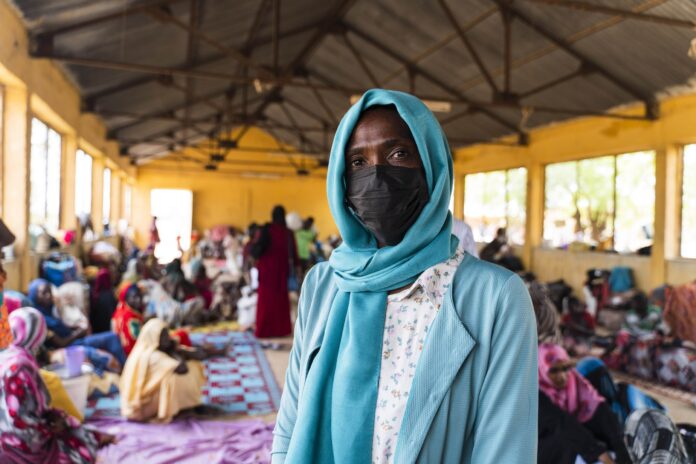
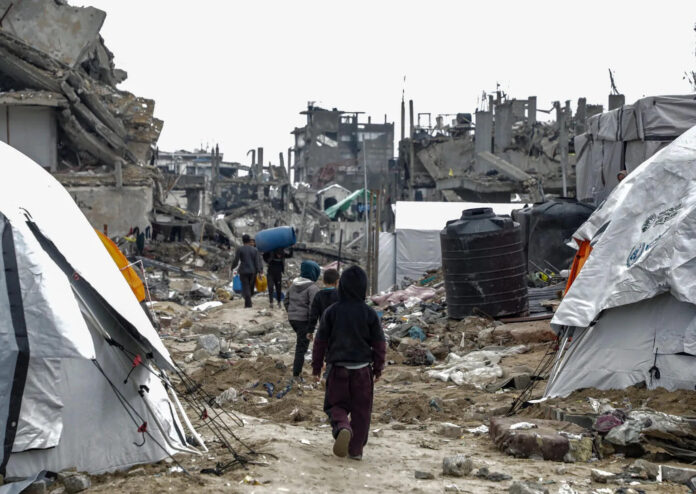
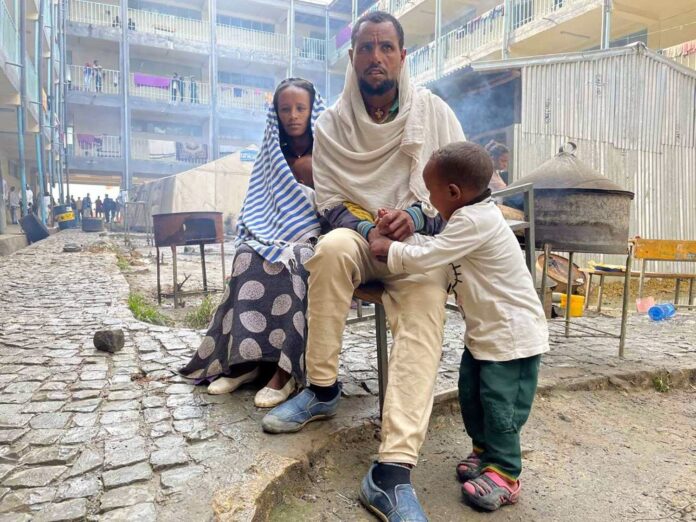
El Obeid sits outside Darfur in North Kordofan, but the trajectory is familiar. The city has been encircled, cut from supply lines, and subjected to drone strikes that have made movement dangerous and relief operations increasingly difficult. Aid organizations operating there describe conditions worsening weekly. What happened in El Fasher, six thousand dead in three days and mass allegations of sexual violence, gives residents and aid workers a template they desperately do not want to apply.
Congressional efforts to apply direct pressure have stalled at the same point. The PEACE in Sudan Act in the Senate and a companion House measure sponsored by Representative Gregory Meeks with 32 co-sponsors both contain language that would compel the UAE to stop arming the RSF. Both also contain national interest waivers. Advocates tracking the legislation say those waivers render the core provision essentially unenforceable, a structural concession to Abu Dhabi built into the accountability architecture itself.
Human rights organizations have repeatedly called on the administration to invoke the Khashoggi Ban, a presidential authority to restrict visas for foreign officials who enable serious human rights violations, against Emirati officials connected to Sudan weapons transfers. The administration has not done so, according to Responsible Statecraft’s reporting on the widening accountability gap.
A Treasury spokesperson, asked about the absence of the Abu Dhabi company from the June sanctions list, said the department does not comment on who is or is not under investigation. The company itself did not respond to requests for comment.
The United Kingdom has faced parallel criticism for its handling of arms and financial networks connected to the RSF, but the scale of U.S.-UAE economic ties creates a different kind of political gravity. Britain’s exposure to Emirati investment is significant. America’s, at $1.4 trillion, is in another category entirely.
What remains uncertain is whether El Obeid will fall before any of that changes. The State Department’s mass atrocities warning has not been followed by new sanctions or any formal demand that the UAE halt weapons deliveries. Senator Van Hollen confirmed this week that he intends to reintroduce his amendment in the next legislative window. Whether it will find more than seven votes is a question the people of El Obeid may not have the time to wait for.