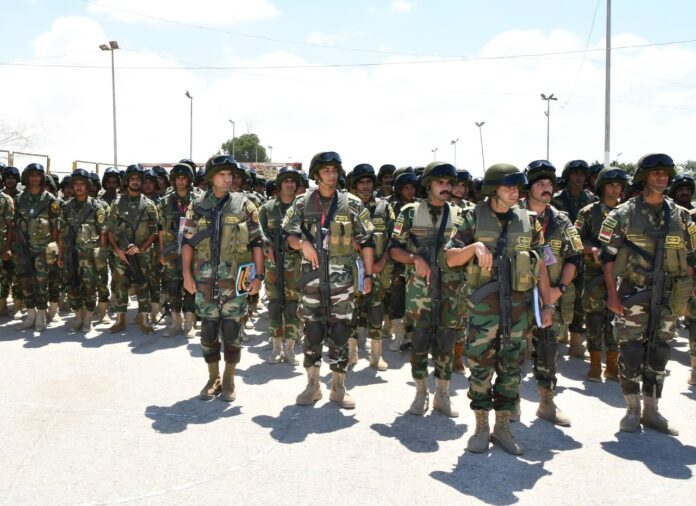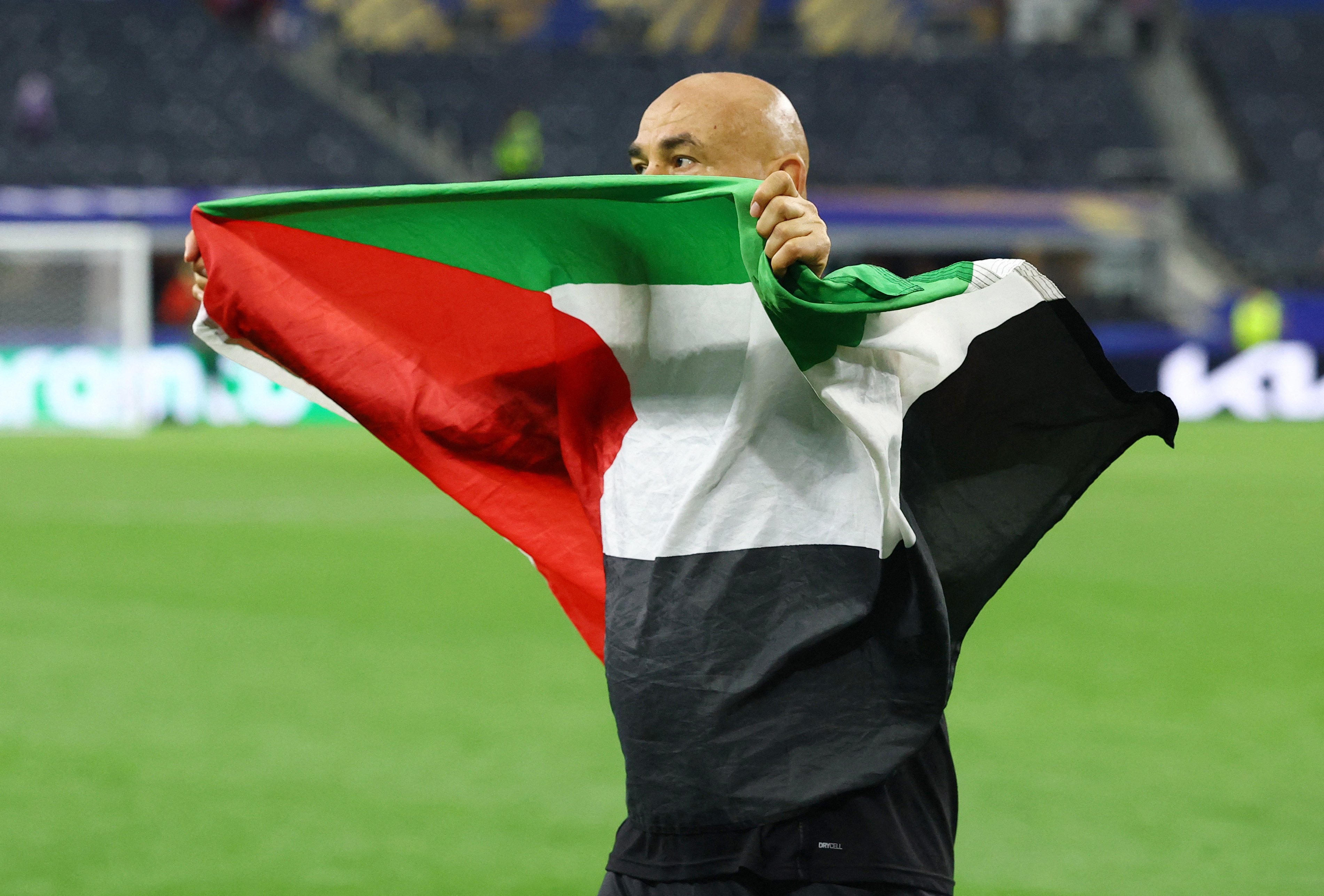

DALLAS — At the final whistle at AT&T Stadium on Friday night, Hossam Hassan did not run toward his players. He reached for two flags.
The Egyptian coach walked onto the Dallas pitch carrying the flag of Egypt and the flag of Palestine together, as his squad fell to the turf in collective prostration behind him. The gesture lasted perhaps ten seconds. Its meaning was not subtle. “I’m dedicating this victory to the Egyptian people and Palestinian people,” Hassan told reporters afterward, “those kind and honourable people.” He continued: “May God grant them victory. May God have mercy on their martyrs.”
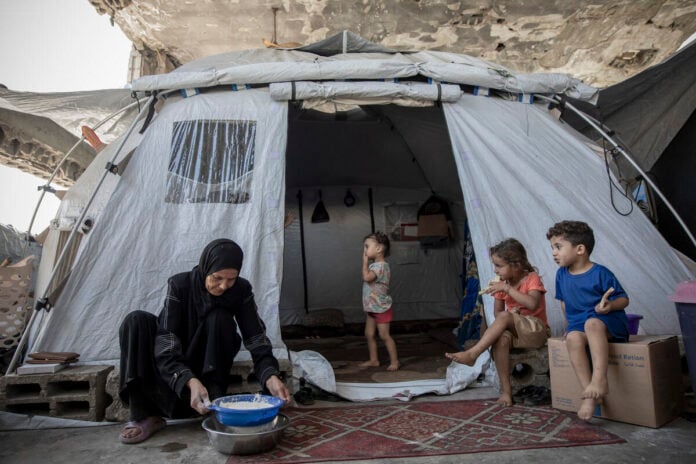
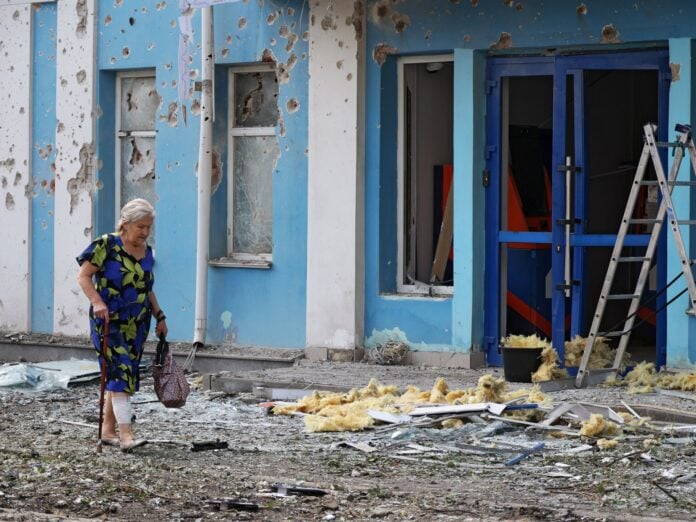
The prayer reached Gaza before the celebrations had settled. In a territory where millions live in tents and the wreckage of bombed buildings, people had gathered at makeshift screens to watch Egypt’s penalty shootout against Australia in real time. Tamer Nahed, a Gaza resident who described the scene on social media, wrote that thousands came out of tents and destroyed homes, with faces “lit up with smiles” and children with Egyptian flags painted on their cheeks. It was, Nahed wrote, the first World Cup he had followed with this much urgency.
Egypt and Australia finished 1-1 after 120 minutes in Dallas, Emam Ashour’s 13th-minute header cancelled by a Mohamed Hany own goal in the 55th. The penalty shootout went 4-2 to Egypt, decided by two Australian misses from Harry Souttar and Lucas Herrington, and Mohamed Salah’s Panenka chipped calmly down the centre while the Australian goalkeeper dove left. Hossam Abdelmaguid scored Egypt’s fourth penalty to close it. Egypt had never won a World Cup knockout match before Friday, a record that now belongs to history.
The match report carries those 120 minutes in full. What it cannot carry is what happened on the Dallas pitch when the referee blew the final whistle.
Hassan’s gesture was deliberate and immediate. He did not improvise it. He had two flags ready, carried them both, and his team chose to participate. The collective prostration was not a tactical debrief. It was an act of thanksgiving for something larger than a football result.
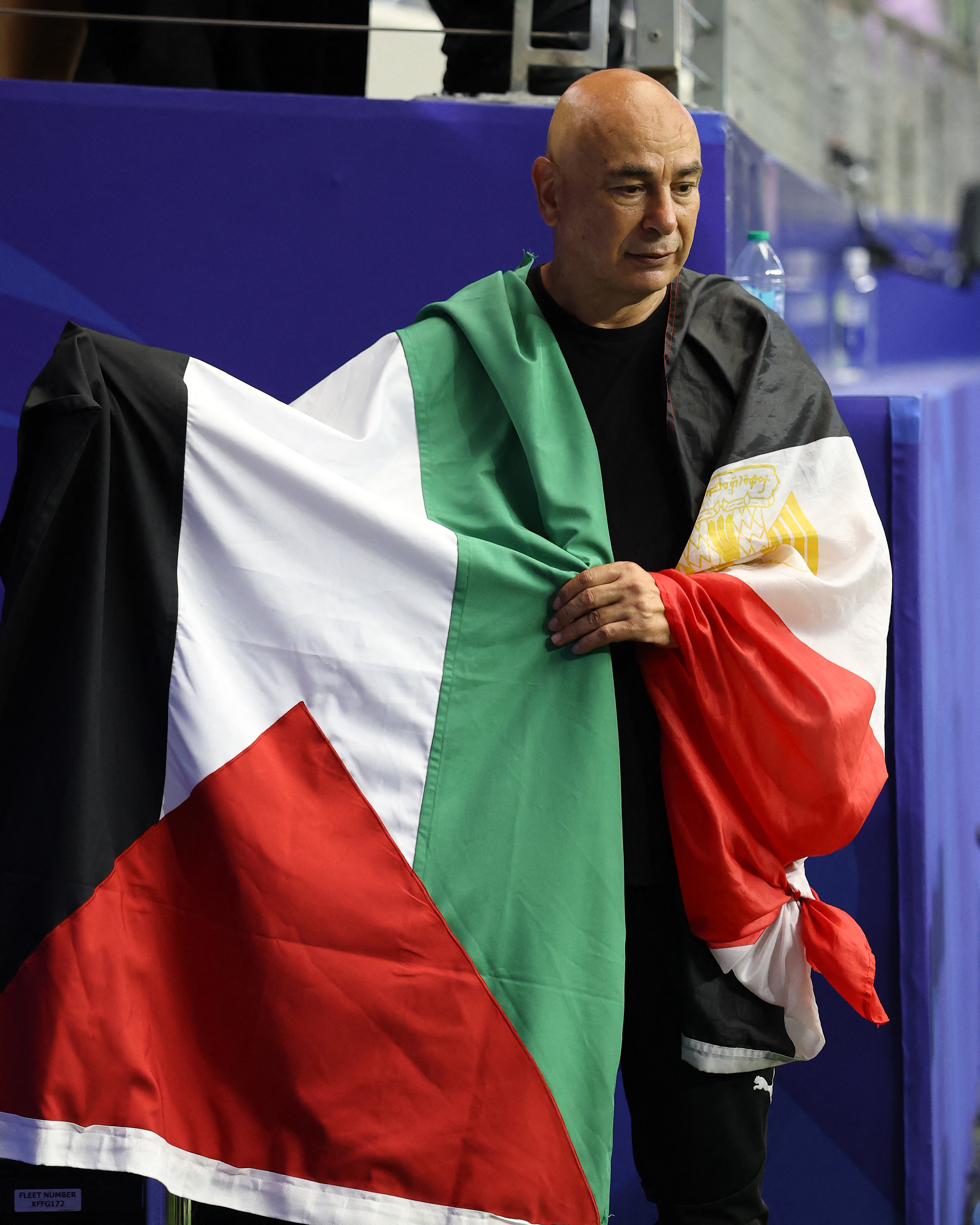
FIFA’s rules prohibit political displays during matches and have been applied unevenly across successive tournaments. In Qatar 2022, the German captain was fined for attempting to wear a human-rights armband on the pitch. Other gestures, in other contexts, have passed without sanction. Carrying a flag onto the pitch after the final whistle puts Hassan’s action in territory FIFA’s published regulations do not definitively resolve. Al Jazeera reported that the governing body did not immediately respond to questions about whether it would review the gesture.
What FIFA decides will carry significance beyond the administrative. It will be one measure of how the governing body of global football treats an Arab Muslim team’s first World Cup knockout win and the flag that its coach chose to carry alongside his own.
Egypt is a country of more than 105 million people, the most populous Arab nation and one of football’s most consumed cultures globally. The country’s relationship with the World Cup has been defined almost entirely by absence: the Pharaohs had not qualified for the tournament since Italy 1990, a 36-year gap that ended only when the expanded 48-team format widened the competition’s door. Egypt arrived in Dallas with serious doubts about Mohamed Salah’s hamstring fitness. The captain’s Panenka settled those doubts. The coach settled the question of what winning meant.
Gaza’s celebrations carried a dimension that ordinary sports coverage rarely has vocabulary for. The people gathered at those makeshift screens on Friday night were watching under conditions that strip away the ordinary props of fandom. The matches in Dallas are played in a stadium built for 100,000 spectators; the watch parties in Gaza are held in courtyards where buildings once stood. When the coach of the team they were cheering named them in his first remarks after the final whistle, prayed for their dead, and raised their flag on the Dallas pitch, the response was not only to a football result. It was to being seen.
The Arab world watching from Cairo to Beirut to Doha shared a different version of the same moment: an Arab team on football’s biggest stage, in a competition that has historically offered the Arab world little, making a gesture of solidarity that most national football federations would not permit and most coaches would not risk. Whether Egypt’s federation had a role in the decision or whether Hassan acted on his own instinct is a question the coach did not answer on Friday night.
Egypt faces Argentina or Cape Verde in the round of 16 on Tuesday in Atlanta. Whether the Palestinian flag appears again, Hassan has not indicated. What the governing body does between now and then will tell its own story.
What the coach said in Dallas on Friday night, and what Gaza heard from it, does not require FIFA’s permission to matter.