
SANTA CLARA – For a decade, Nvidia’s position in the artificial intelligence supply chain was clean: it made the chips, companies bought them, and the money moved in one direction. That arrangement just got considerably more complicated.
On July 1, Nvidia published a blog post co-authored by CFO Colette Kress outlining what it calls a “revenue-sharing and credit-support” model for AI cloud operators. The structure lets participating providers receive access to Nvidia’s Grace Blackwell GB300 infrastructure without the full upfront capital burden. In return, Nvidia earns its standard hardware revenue plus a recurring cut of the cloud income those GPUs generate. If deployed GPUs sit idle because the operator cannot fill compute slots, Nvidia backstops the gap, renting or buying back that unused capacity at predetermined prices. The chipmaker now has skin in its customers’ business in a way it never previously did.
Nvidia called the resulting income a “recurring, usage-linked earnings stream.” What Kress is describing, stripped of the language, is vendor financing with a royalty clause attached, and the first two named partners suggest this is not a modest pilot.
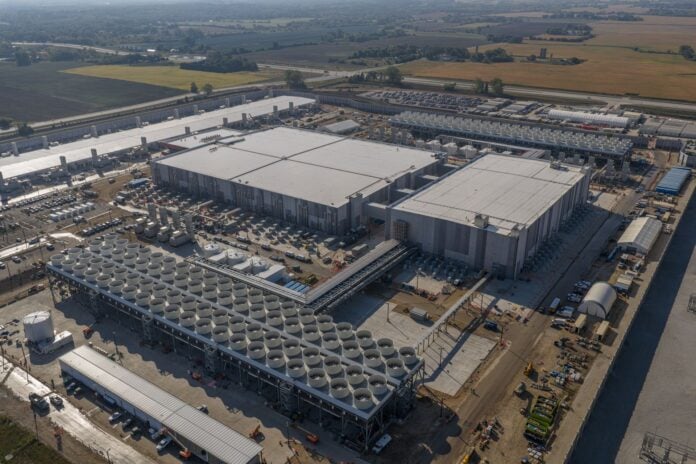
Sharon AI, an Australian cloud operator listed on Nasdaq, is deploying up to 40,000 GB300 Grace Blackwell GPUs under a six-year agreement, adding 72 megawatts of new data center capacity and bringing its total AI factory footprint to 132 megawatts. Firmus Technologies is building a DSX-aligned AI factory campus in Batam, Indonesia, expected to scale to 360 megawatts and up to 170,000 Nvidia GPUs. Combined, the two commitments represent roughly 210,000 of the most powerful AI accelerators currently available for order, one of the largest GPU deployment announcements ever made in the Asia-Pacific region.
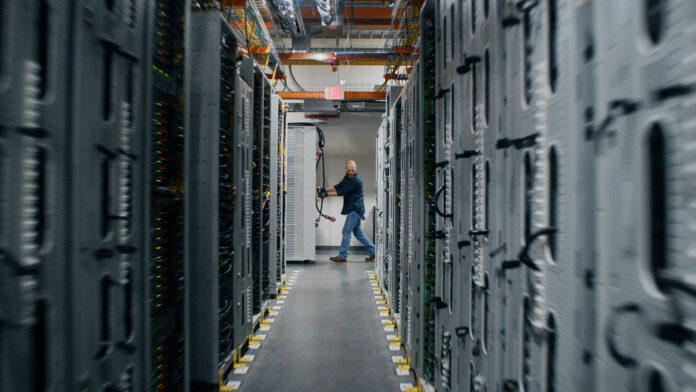
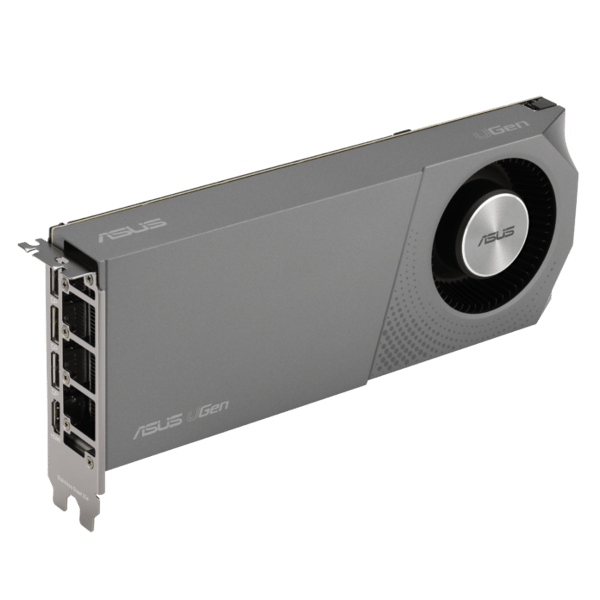
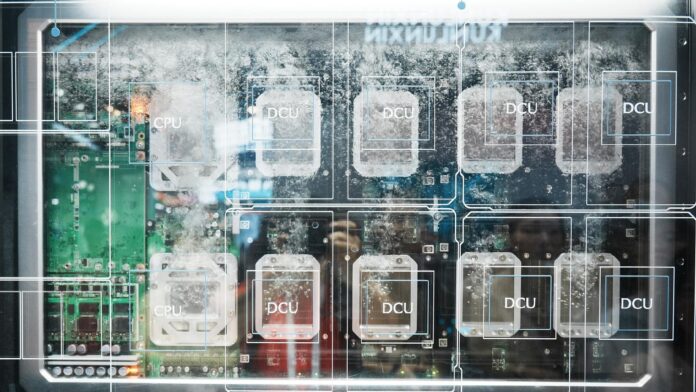
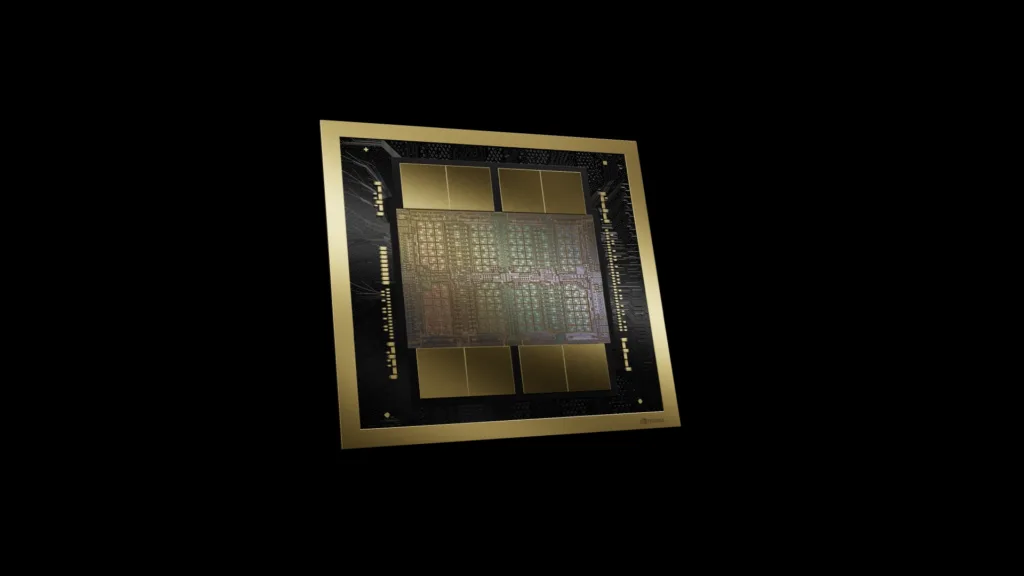
The GB300 is not an incremental chip. Each unit delivers 15 petaFLOPS of FP4 compute, carries 288 gigabytes of HBM3e memory at 8 terabytes per second of bandwidth, and requires liquid cooling in every form factor it ships in. At rack scale, 72 of them combine with 36 Grace CPUs into the NVL72 system that delivers over one exaFLOP of AI compute. The infrastructure cost of deploying these systems at the scale Sharon AI and Firmus have committed to runs to hundreds of millions of dollars before a single customer token is sold. The financing model exists precisely because writing that check on day one, ahead of revenue, is what most neocloud operators cannot do.
Sharon AI CEO James Manning called the deal “a pivotal moment in delivering sovereign, large-scale AI compute infrastructure.” For Australia, where federal policy has been explicit about wanting domestic AI compute capacity rather than dependence on US hyperscaler data centers, a 40,000-GPU deployment under a sovereign operator is a meaningful infrastructure milestone. Firmus co-CEO Tim Rosenfield described the underlying need as one where “AI-native companies need access to scalable, energy- and cost-efficient compute infrastructure to compete globally,” a framing that doubles as the pitch Nvidia is now making to every neocloud operator that cannot afford the hardware up front.
The optimistic reading of what Nvidia is doing is the flywheel argument. Hardware margins on GB300 chips are already substantial. Adding a recurring revenue stake in the cloud services those chips enable means Nvidia captures value at two points in the same transaction: once when the infrastructure ships, and again every month those GPUs generate tokens for paying customers. Applied across the growing neocloud sector, where operators including Baseten, Fireworks AI, and Together AI are also participating, that second revenue stream could diversify Nvidia’s income well beyond the lumpy, order-driven hardware sales cycle. That Colette Kress co-authored the announcement, rather than a product lead, signals the company is treating this as a financial reporting event as much as a product launch.
The bearish reading is harder to dismiss. Nvidia’s stock slid roughly 1.4 percent in premarket trading after the announcement. Sharon AI’s shares fell 14.2 percent, though that move also reflects dilution from the $1.6 billion private placement the company completed in June to fund the buildout. The structural concern some observers have raised is that revenue-sharing arrangements financed by the vendor can make demand appear organic when part of it is financially engineered. Nvidia is, in effect, providing the financial support that enables customers to buy Nvidia hardware. The demand is real; the question is how much of it would exist at this scale without Nvidia underwriting it. Analysts have drawn comparisons to GE Capital’s equipment-financing model from the 1990s, which generated substantial recurring income for GE until counterparty exposure to customer utilization rates became a liability the conglomerate spent years unwinding.
What Nvidia has not disclosed is the revenue-share percentage it takes from participating operators. That number is essential for evaluating whether the upside justifies the backstop exposure, and its absence makes the economics of the program speculative from the outside. The mechanics of any third-party lending arrangements, whether Nvidia is directly providing capital or guaranteeing outside lenders, are similarly unspecified. Beyond the blog post, Nvidia has provided no additional detail. The utilization floor that triggers the backstop guarantee and the conditions under which Nvidia could exit the arrangement have not been made public.
The program lands while Nvidia’s hardware dominance faces more structured competition than at any point in the current AI cycle. Amazon and Alphabet have deployed custom AI accelerators that reduce their own hyperscaler reliance on Nvidia for internal workloads. Anthropic is in talks with Samsung to build a 2nm custom chip that would give it a measure of supply-chain independence. OpenAI has proposed giving the US government a direct financial stake in the AI industry, a sign of how financialized the AI supply chain has become. Nvidia’s response, in the neocloud segment at least, is to stop being a pure supplier and start being a stakeholder with a share in how its customers perform.
Whether the backstop guarantees will ever be called is ultimately a bet on whether AI inference demand arrives on the schedule that 210,000 GB300 GPU commitments assume. If AI factories run at high utilization, Nvidia collects a hardware margin and a cloud royalty at the same time. If utilization disappoints, if the inference boom that every deployment plan here takes as given arrives more slowly than projected, Nvidia is sitting on backstop exposure to infrastructure it sold at full price. The revenue-share percentage that would clarify which scenario is more consequential for Nvidia’s balance sheet remains the number the company has chosen not to publish.