
SEATTLE — Four months ago, Belgium beat the United States by three goals in a meaningless March friendly nobody outside the two federations much remembers now. On Monday night at Lumen Field, the two teams meet again, and this time a loss ends the tournament.
The stakes have changed enough to make the earlier result almost irrelevant, except as a data point nobody in the USMNT camp particularly wants to discuss. A win over ninth-ranked Belgium sends the United States to its first World Cup quarterfinal since 2002. A loss ends a tournament that has already produced the largest domestic soccer television audience in American history and put the co-host nation two wins from a final it has never sniffed.
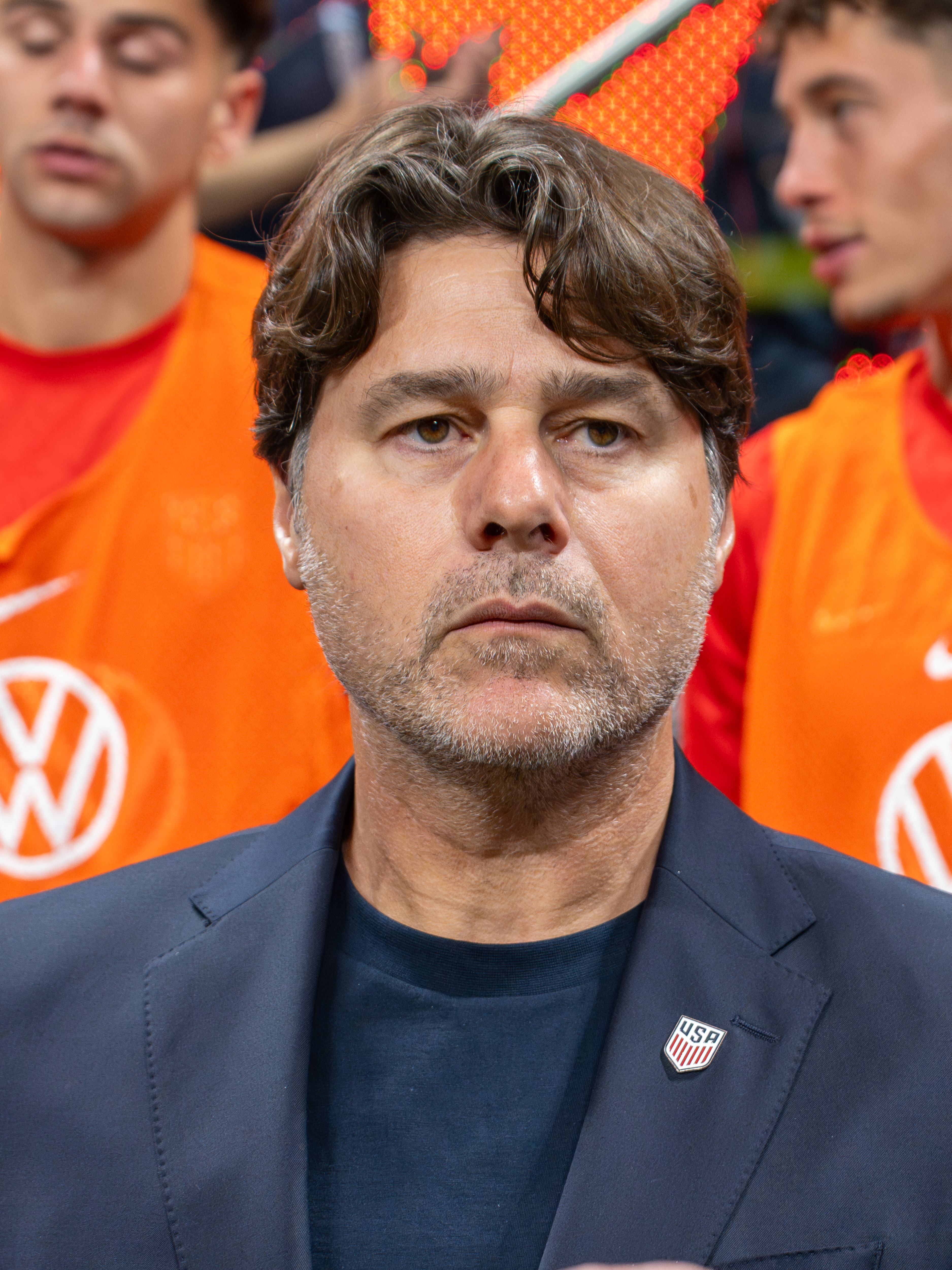
Mauricio Pochettino spent Sunday’s pre-match press conference talking less about tactics than about belief, telling reporters football is possible “if you believe” and that the USMNT would respect Belgium while still trying “to win the game and advance to the next round.” The more specific and more useful thing he said came a beat later, when he was asked what had gone wrong in March: the U.S. could not afford the same defensive lapses that had cost them earlier in the tournament, he said, because Belgium punishes transition mistakes instantly.
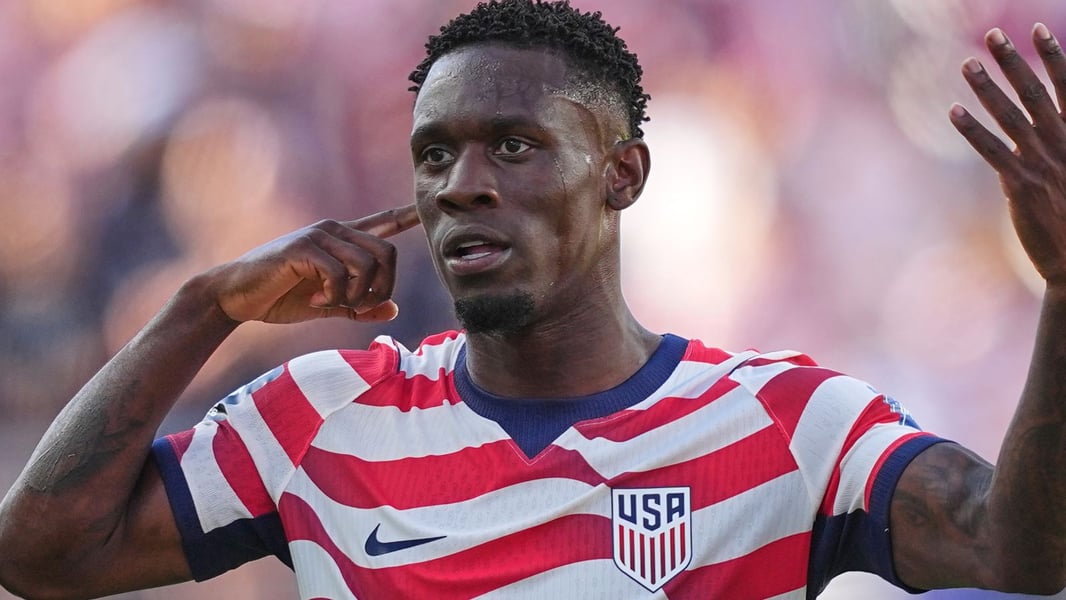
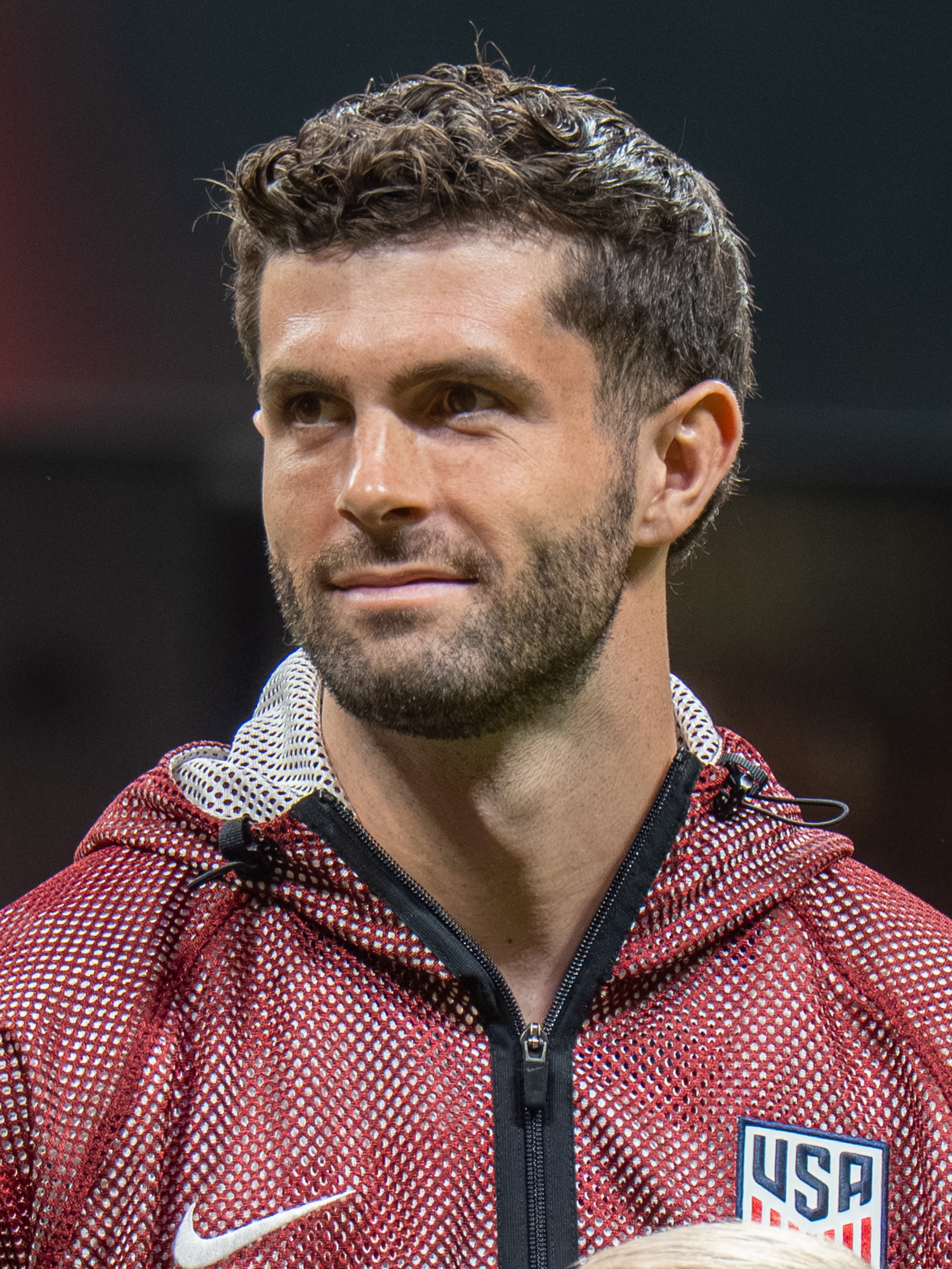
Pochettino will make that case without his tournament’s leading scorer. Folarin Balogun, suspended for a red card picked up against Bosnia and Herzegovina, will watch from the bench, leaving Ricardo Pepi as the most likely starter at center forward, with Haji Wright in reserve and Christian Pulisic a wildcard option as a false nine. Pulisic himself is the tournament’s better-news story: he played 88 minutes against Bosnia after a calf injury had limited him to a substitute’s role for most of the group stage, and his return to something close to full fitness matters more to this specific matchup than any lineup permutation at forward. Belgium’s back line has spent this World Cup getting exposed by pace in behind, and pace in behind is the one thing Pulisic still has at 27 that a converted winger playing center forward does not.
Some of the buildup this week has had nothing to do with tactics. Pochettino threw out the first pitch before a Seattle Mariners game, a small ambassadorial gesture that played well locally in a city hosting its first World Cup knockout match and got the Argentine a warmer reception from the crowd than some of his own substitutions have gotten from USMNT fans this tournament. It is the kind of detail that means nothing on Monday night and everything to how a coach is received in a city he is asking to fill a stadium for a game that could end his team’s tournament in ninety minutes.
The last American team to reach a World Cup quarterfinal did it in 2002, in South Korea, under Bruce Arena, with a roster built around Landon Donovan and a golden generation that never quite delivered on the promise of that tournament again. Every USMNT team since has talked about matching that run. None has, including the 2022 group that lost to the Netherlands in the round of sixteen by the same three-goal margin Belgium put up in March. Pochettino’s team has already gone one round further than that group managed against Bosnia, but the round it is stuck on is the same one American soccer has been stuck on for twenty-four years.
Belgium has not been spectacular getting here. The ninth-ranked side won its group without the aura of past golden-generation vintages, built instead around a compact defensive shape and Kevin De Bruyne’s diminished but still dangerous distribution from midfield. It is not the Belgium that beat the United States 5-2 by overwhelming them; that game was mostly Belgium taking advantage of a USMNT defense that has since been reorganized. Whether the reorganization holds under real pressure, in a knockout game, in front of the largest crowd Pochettino has coached in front of on American soil, is a different question than the one March answered.
What nobody in Seattle can answer yet is whether Pochettino’s insistence on defensive discipline is a genuine tactical fix or the kind of thing every coach says before a game he is worried about. The USMNT conceded soft goals against Turkiye in the group stage and got exposed on the counter against Australia before winning both games anyway. Belgium is a sharper version of both of those problems rolled into one, built to make a single mistake cost an entire match. Pochettino says his team has fixed it. Monday night in Seattle is the only way to find out if that is true.