
DUBAI – Armed men boarded the Tanzanian-flagged chemical tanker Asana in the Gulf of Aden on Friday, seizing control of the vessel in what maritime security authorities and regional officials believe was a Somali piracy attack rather than a Houthi operation – the latest in a sequence of incidents that has begun rewriting risk assessments for one of the world’s most critical waterways.
The UK Maritime Trade Operations agency, the Royal Navy unit that coordinates commercial shipping advisories across the region, confirmed “a vessel was boarded by unauthorized personnel while transiting east.” Yemeni coastguard officials placed the boarding approximately 26 nautical miles off Hadramawt province, with one early report describing a single figure spotted near the bridge as the Asana moved slowly southeast. The ship had listed Bosaso – a port on Somalia’s northeastern coast in the semiautonomous Puntland region and historically the base of Somali pirate operations – as its next destination.
The distinction from Houthi strikes matters operationally. Yemen’s Houthi militia has conducted hundreds of attacks on commercial shipping since late 2023, most of them using drones or missiles against vessels associated with Israel or the United States. Piracy operates on different terms: it is motivated by ransom rather than political grievance, selects targets based on cargo value and crew vulnerability rather than flag state, and delivers its victims to Somali anchorages rather than sinking them. A vessel heading to Bosaso was heading to a ransom negotiation, not a weapon system.
The conditions that enabled the Asana’s seizure were partly created by the same conflict. Since the Houthi campaign began, many commercial operators rerouted vessels from the Bab-el-Mandeb Strait and the Red Sea – pushing traffic east and south into waters that run closer to the Somali coastline, exactly the corridors where Somali piracy historically concentrated. At the same time, naval forces from Europe, the United States, and South Korea have been partially redirected toward the US-Iran maritime confrontation around the Strait of Hormuz and the Gulf of Oman, thinning the coverage available for the Gulf of Aden’s outer approaches.
The French navy’s Maritime Information Center for the Mediterranean and the Atlantic Ocean, known by its French acronym Mica, has tracked the consequences. Since April 2026, Mica has recorded 18 piracy incidents and hijackings in the region, with at least three commercial vessels still believed held for ransom. According to Al Jazeera, analysts attribute the resurgence to stretched naval forces, rerouted shipping lanes, and the broader regional instability that has made sustained counter-piracy patrols difficult to maintain.
The last sustained period of Somali piracy, which peaked between 2008 and 2012, produced similar incident counts before an international naval campaign – drawing warships from the EU, NATO, and individual nations including India and China – suppressed it over several years. The institutional memory of that response exists. The coordinated political will to repeat it, at a moment when many of those same navies are committed elsewhere, has not yet been demonstrated.
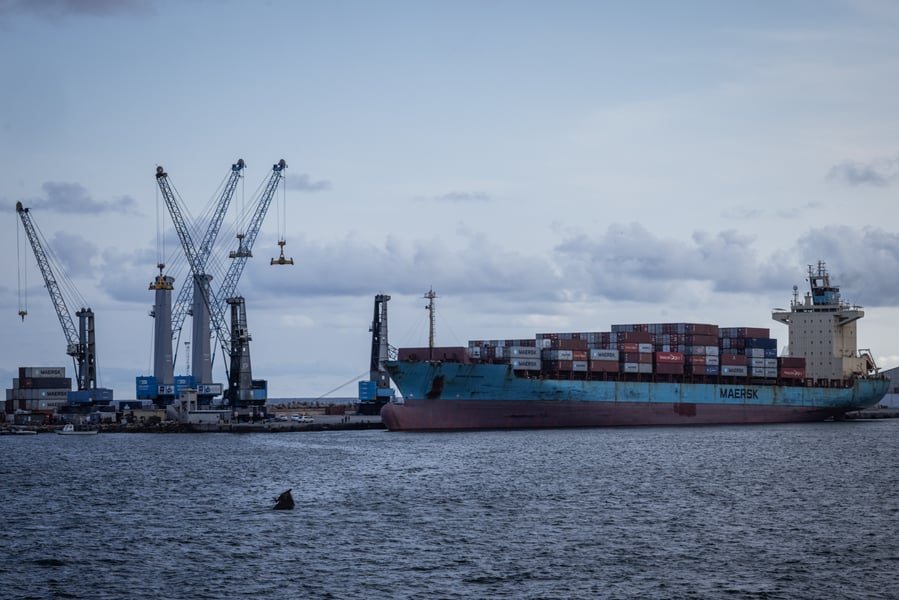
The Gulf of Aden is not an optional route. It connects the Indian Ocean to the Red Sea and, through the Suez Canal, to Europe – a corridor through which roughly 12 to 15 percent of global trade by value passes annually, according to the United Nations Conference on Trade and Development. Vessels transiting it carry petroleum products, consumer electronics, grain, and the industrial chemicals that parcel tankers like the Asana specialize in moving – segregated liquids whose diversion to Somali anchorages creates both commercial disruption and environmental liability.
The EU’s Aspides naval mission, which has focused primarily on countering Houthi drone attacks in the Red Sea, and a South Korean warship were both working to assist the vessel as of Friday evening, the South China Morning Post reported. Neither had confirmed the Asana’s condition or the status of its crew. The ship’s Tanzanian flag creates a more complicated legal framework for Western intervention; Tanzania is not a NATO member and its vessels do not fall under the standing protection arrangements that govern allied merchant shipping.
Shipping operators already navigating IRGC interdictions at the Strait of Hormuz are now confronting a third hostile zone. The Bab-el-Mandeb remains under Houthi threat in the west; Hormuz and the Gulf of Oman are contested by Iranian naval forces in the east; the Gulf of Aden’s outer approaches are now producing ransom-motivated piracy from a third direction. The geometry of maritime risk has expanded beyond any single conflict.
A decade ago, the Somali piracy crisis ended not because the pirates disbanded but because attacking vessels became too expensive. Naval escorts, hardened bridge areas, razor wire on hull fixtures, and armed security teams made each attack less likely to succeed and more costly to attempt. The suppression infrastructure was built over years and largely dismantled once incident counts fell. Much of it exists in theory but not in practice across the Gulf of Aden’s current approaches.
The Norwegian chemical tanker Stolt Magnesium, struck by an unidentified projectile off the Omani coast earlier this week, was attributed to state-sponsored actors rather than piracy. The Asana’s seizure differs: its trajectory toward Puntland and the methodology of boarding rather than missile strike point toward criminal rather than political motive. That makes it less visible in the international security conversation, where state-on-state maritime confrontation is receiving far more analytical and diplomatic attention.
What the coming weeks will determine is whether the 18 incidents since April represent the opening of an organized campaign – criminal networks that read the regional moment and decided the conditions favored a return – or a looser opportunism from individual groups operating with less coordination. The difference shapes the required response. For now, the Asana is heading toward Somalia with its crew aboard and no publicly confirmed ransom demand, no named pirate faction, and no naval vessel positioned to intercept it before it reaches a Puntland anchorage where the next set of negotiations will begin.