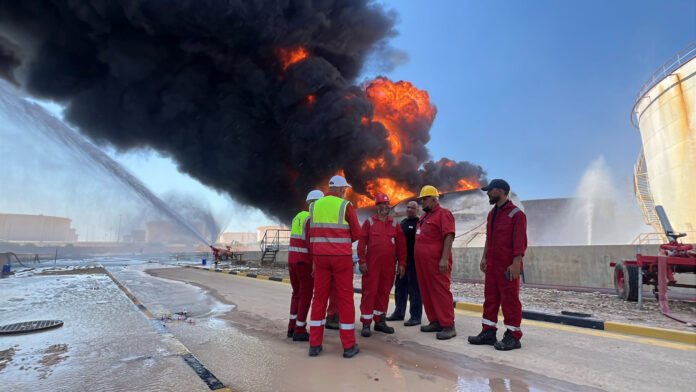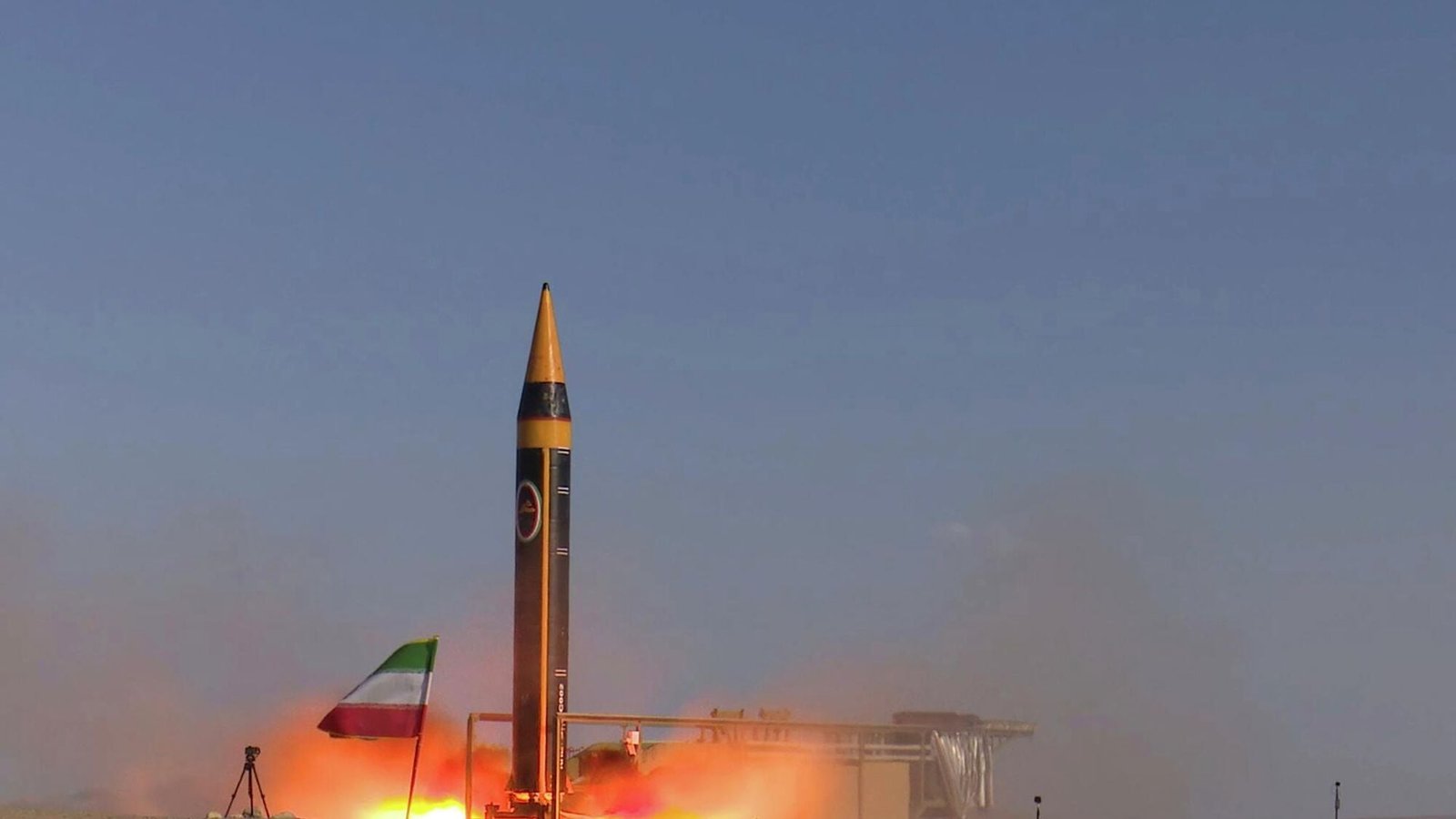

KUWAIT CITY – Iran’s army struck two US military installations in Kuwait with drone strikes on Saturday, targeting an ammunition depot at Camp Al-Udeiri and a Patriot air defense radar alongside an air surveillance system at Ali al-Salem Air Base. The operation extended the Iran-US war beyond Iranian territory for the first time in weeks, arriving hours after Washington completed its eighth consecutive night of bombing runs across Iranian military sites.
Iran’s army confirmed in a statement that drones struck Camp Al-Udeiri’s ground forces ammunition depot and the Patriot missile radar and air surveillance radar at Ali al-Salem. Sputnik reported the Iranian military described both strikes as retaliatory. Neither side confirmed casualty figures in the immediate aftermath.
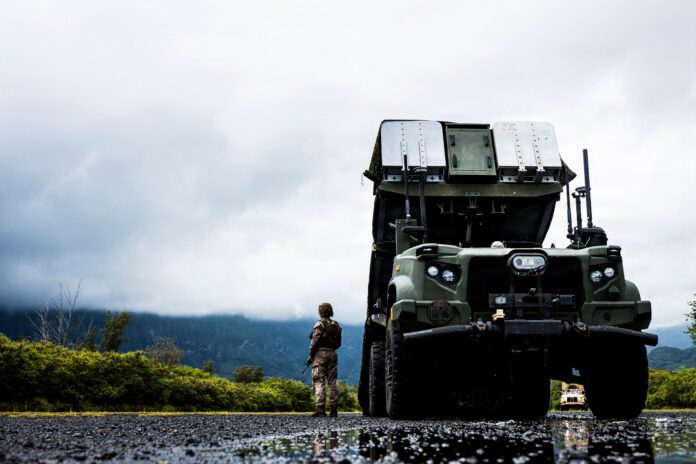
The US Central Command said its own overnight operations had successfully hit Iranian military coastal surveillance and air defense facilities, maritime capabilities, and missile and drone storage sites, describing the eighth consecutive night of strikes on Iran. CENTCOM placed the total US military presence across the Middle East at more than 50,000 personnel.
“More than 50,000 US men and women in uniform are operating across the Middle East,” CENTCOM said. “They remain highly vigilant, focused, lethal, and ready.”
The conflict began on February 28, 2026, when the US and Israel launched Operation Epic Fury. A ceasefire memorandum signed June 18 paused hostilities before President Donald Trump declared the agreement void on July 9, with US strikes resuming the day before that declaration. Iran answered with Operation True Promise 4, a retaliatory campaign that has now reached US military assets in Kuwait, a country that has hosted American forces under a bilateral defense agreement since the 1991 Gulf War.
The IRGC simultaneously announced a Hormuz permit requirement. As reported by Sputnik, Iran’s Islamic Revolutionary Guard Corps declared that no oil tanker, LNG vessel, or cargo ship could transit the Strait of Hormuz without Iranian coordination and permission. Four vessels defied the order Saturday, disabling their navigation systems and attempting what Tehran called an unsafe route. Two suffered unspecified incidents and halted. Two others turned back before reaching the strait.
The IRGC declared that “not even a drop of oil, gas or fertilizer” would cross Hormuz without Iranian permission, framing the world’s most critical energy chokepoint as an effective Iranian maritime exclusion zone.

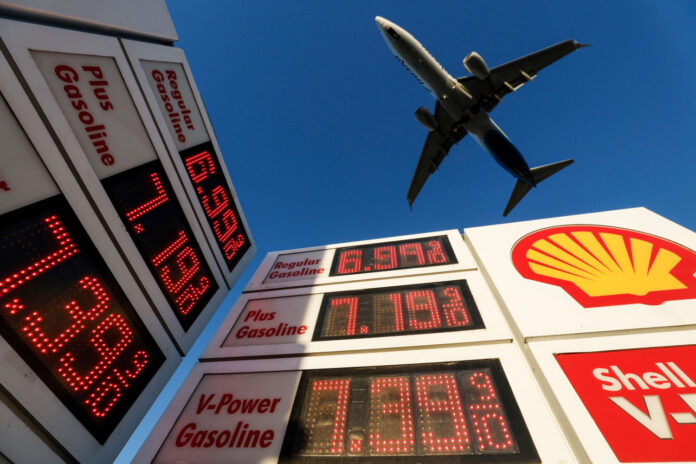
The energy stakes are immediate. Roughly 20 percent of the world’s traded oil passes through Hormuz. When Iran previously struck US bases in five Gulf states and Hormuz traffic fell near zero, Brent crude surged four percent in a single session. During the brief ceasefire period that followed, tanker data showed Iran exported an estimated $5 to $6 billion in oil under a temporary US sanctions waiver. That window closed when Trump voided the ceasefire. The Hormuz permit declaration Saturday closes it further.
Kuwait has not formally condemned the strikes on its territory. Camp Al-Udeiri and Ali al-Salem are joint US-Kuwaiti installations hosting American forces under a defense agreement predating the current conflict. Iran’s decision to target them marks a geographic broadening of the war that may force Kuwait into a public position it has carefully avoided since February.
The targeting of the Patriot radar at Ali al-Salem carries particular operational significance. Patriot batteries are central to US air defense across Gulf installations, and degrading the surveillance radar reduces warning time and targeting capability for any subsequent Iranian strikes in the area. The ammunition depot strike at Camp Al-Udeiri, if the damage is confirmed, would affect US ground forces’ ability to sustain extended operations from Kuwaiti soil.
Iran’s proxy network across the region has remained on standby throughout the current escalation cycle. IRGC commanders embedded with Yemen’s Houthi forces were reportedly instructed to prepare to seal the Bab el-Mandeb as a secondary chokepoint should US strikes continue against Iranian power infrastructure. The Hormuz closure declared Saturday activates part of that pressure campaign without yet requiring Houthi action in the Red Sea.
The domestic dimension inside Iran matters too. US strikes have knocked an estimated 4,200 megawatts from Iran’s electrical grid, damaging more than 2,000 transmission points across the country. Rolling blackouts in Tehran during 41-degree summer heat have created significant civilian strain. Striking US bases in Kuwait, regardless of confirmed casualties, offers the Iranian leadership a visible retaliation to present to a population enduring those infrastructure outages.
Washington has not publicly addressed how it will calibrate its response to strikes on US military facilities in a third country. Trump threatened last week to bomb Iran’s power plants and bridges. Whether the Kuwait attacks accelerate that decision is not clear from official US statements issued Saturday.
What the Kuwait strikes do not resolve is whether either side has a political pathway out of the current cycle. The June 18 ceasefire was signed and voided within weeks. A second negotiated pause would require one side to make the first public concession. Neither Trump nor Iran’s leadership has signaled that willingness. With 50,000 American service members in the Middle East and Iran pressing two simultaneous pressure points on Hormuz and on third-country US installations, the threshold for what counts as manageable escalation is being tested on both sides.