
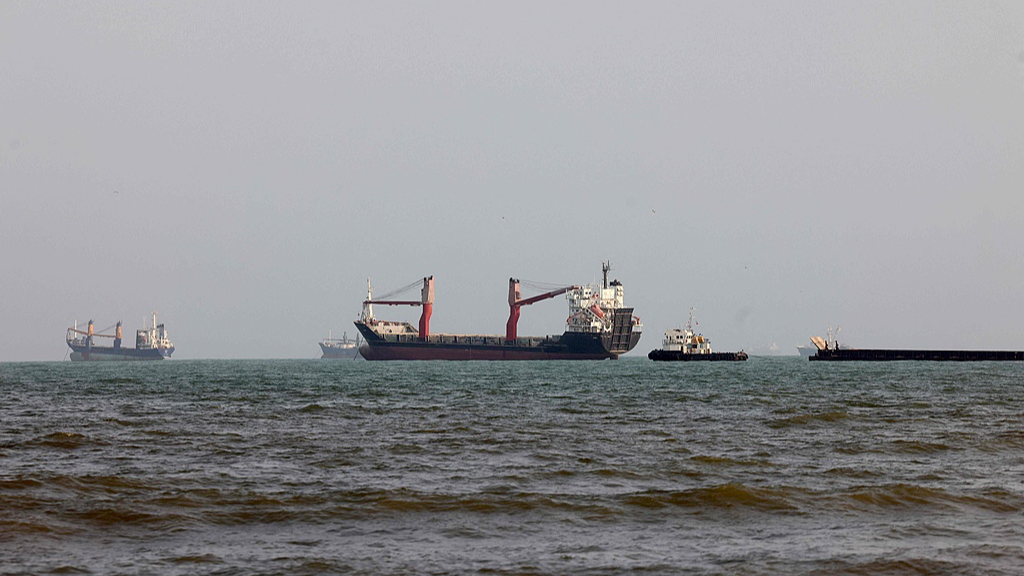
DUBAI – By the end of last weekend, the Strait of Hormuz, the waterway through which roughly one-fifth of the world’s traded oil normally flows, had seen fewer than 20 vessels cross it over two days. Only four transited on Sunday. The numbers told a story that no official statement could quite match: an economic confrontation between Washington and Tehran was reshaping one of the planet’s most critical chokepoints in real time.
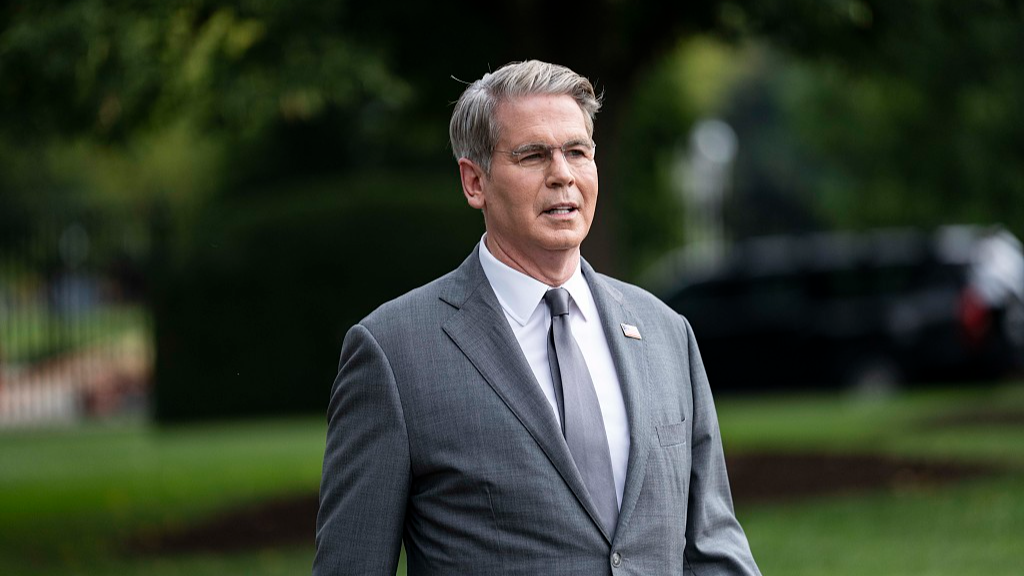
The confrontation escalated sharply when U.S. Treasury Secretary Scott Bessent, speaking in language more commonly reserved for military campaigns, declared the launch of “the single greatest financial offensive ever marshalled against an adversary.” The announcement sanctioned nearly 60 entities, individuals, and vessels across five sectors, including digital assets, technology, gold, aviation, and shipping, while suspending general licences that had authorized remittance payments to Iran and cutting Iranian access to American cultural and academic systems. Trump personally called world leaders, requesting they halt Iran interactions.
“At dawn begins an economic D-Day,” Bessent said, borrowing a metaphor freighted with history. The reference to the 1944 Allied landings, an operation whose success was by no means guaranteed on the morning it launched, was either a declaration of confidence or an inadvertent acknowledgment that the outcome remained very much in play.
Washington backed the announcement with enforcement muscle on the water. The USS John Finn has redirected 70 commercial vessels in the Gulf region, disabled three, and boarded two, a naval posture that has added a physical dimension to what might otherwise be a paper exercise in financial pressure. The Treasury Department also issued guidance on sanctions risks connected to complying with Iranian demands in the Strait of Hormuz, effectively putting ship operators and their insurers on notice that following Tehran’s instructions could itself constitute a violation.
Tehran’s response was swift and unapologetic. Mohsen Rezaei, secretary of Iran’s Supreme National Security Council, issued a warning that left little ambiguity: “If the economic war continues, not a single drop of oil will be exported, neither through the Strait of Hormuz nor from anywhere in the Persian Gulf.” Iran’s Persian Gulf Strait Authority followed with warnings of restrictions on non-compliant vessels, adding institutional weight to what had begun as one official’s social media statement.
Whether that threat reflects Iran’s genuine strategic intent or a carefully calibrated escalation is the question that oil markets, Asian finance ministries, and Gulf governments are now calculating in parallel. Foreign Minister Abbas Araqchi showed less alarm than dismissal. “The fact that they have moved on from military operations to bring up the same old plans shows that they are desperate,” Araqchi said on Telegram. “All of their actions, whether blockades or other military moves, have failed, and this new issue of theirs will fail as well.” Parliament Speaker Mohammad Baqer Qalibaf added that Iran’s trading partners were already disregarding Washington’s pressure, while Finance Minister Seyed Ali Madanizadeh said Tehran had prepared counter-sanction strategies, without specifying what they would involve.
Regional diplomatic circuits have not gone quiet. Pakistan’s army chief, General Asim Munir, traveled to Tehran to discuss recent developments and the possibility of restoring regional stability, a visit that signals Islamabad’s discomfort with a conflict that directly threatens Gulf remittances sustaining Pakistan’s economy. The dispatch of a military chief rather than a civilian envoy suggested the conversation was aimed at the practical consequences of an extended Hormuz disruption as much as its geopolitical framing.
For Beijing, the trajectory has looked counterproductive for some time. Li Zixin of the China Institute of International Studies noted that U.S. gasoline prices have risen roughly 50 percent above their pre-conflict levels even as Washington has tightened its pressure on Iranian exports. The logic of the pressure campaign, Li argued, has produced a “sanctions, countermeasures, and further sanctions” cycle that has strengthened Iranian hardliners rather than isolating them, an assessment consistent with China’s sustained argument that US trade war escalation creates more instability than it resolves.
Gulf states face the most uncomfortable arithmetic. Saudi Arabia, Qatar, and Oman each benefit in principle from elevated oil prices; each has practical interests in ensuring that its own crude can leave the region without incident. Qatar, which hosts the Al Udeid Air Base and has carefully cultivated ties with both Washington and Tehran, has managed this tension with practised discipline. Whether that balance holds if Hormuz traffic approaches single digits is a question Doha has not been required to answer in practice before.
Compounding the concern is the broader pattern of maritime shipping disruptions already affecting Asian supply chains. Shipping insurers have begun recalibrating their exposure to Gulf of Oman routes even absent a formal Iranian action, a de facto premium on political risk that will eventually reach consumers whether or not Rezaei’s ultimatum is carried out.
The practical ceiling on U.S. sanctions pressure is partly naval and partly political. Washington cannot board every vessel, and secondary sanctions work only as long as third countries choose to comply. What remains unclear is whether this package’s unprecedented scope, encompassing crypto, gold, and aviation alongside oil, closes the gaps that earlier rounds left open, or whether Tehran’s trading partners will find new channels as they have consistently before.
For the crews of the tankers that did not cross Hormuz on Sunday, the answer is already having commercial consequences. Whether this confrontation hardens into a prolonged standoff or breaks toward a negotiated off-ramp is the question that markets, governments, and oil importers across Asia are now waiting to have answered.