
WASHINGTON — After a metastatic pancreatic cancer diagnosis, the question that patients and their families most often face is not whether chemotherapy will work. It is how long it will work before it stops. When that answer runs out, there has been almost nothing else to offer. For the first time, that is changing.
The Food and Drug Administration approved daraxonrasib, sold as Rasonque by Revolution Medicines, on August 26, making it the first approved medicine to broadly target the RAS family of proteins that drives tumor growth in more than 90 percent of pancreatic adenocarcinoma cases. Revolution Medicines announced the approval in a statement that morning, noting the FDA had acted six and a half months ahead of its own target date.
That acceleration reflects how few effective options have existed for patients whose disease progresses after initial treatment. In the Phase 3 RASolute 302 trial of 500 adults with previously treated metastatic pancreatic adenocarcinoma, patients who received daraxonrasib lived a median of 13.2 months, compared with 6.7 months for those receiving standard chemotherapy. The data, published in findings reported in the trial in the New England Journal of Medicine, showed a roughly 60 percent reduction in the risk of death for the daraxonrasib group.
“Probably the most exciting strategy in five decades,” said Dr. Jennifer Knox, a medical oncologist who had followed the drug’s clinical development closely.
The reason that framing holds up against scrutiny starts in the 1980s, when researchers first identified KRAS as a driver of cancer. The KRAS mutation, the dominant form within the broader RAS family, was present in cancer cells but had no obvious site where a small molecule could bind and block it. The protein’s surface was smooth, offering no grip. For roughly 40 years, every attempt to directly inhibit it failed, and the target was considered, within oncology, to be undruggable.
The FDA granted daraxonrasib breakthrough therapy designation, orphan drug designation, and priority review during earlier stages of its clinical development, all of which remained in place at approval. At 135 days from data submission to full approval, it became the fastest FDA approval of 2026. The trial is also one of the few in pancreatic oncology to have produced results strong enough for peer review in the New England Journal of Medicine during the approval period itself.
Access will now become the harder problem to solve. Rasonque is priced at approximately $39,800 per month, close to $500,000 annually. That places it at the upper range of what commercial insurers and Medicare negotiate for cancer therapies. As employers confront the fastest projected rise in health insurance costs in 15 years, driven in part by prescription drug expenses, major insurers face real pressure to limit new high-cost drug coverage through prior authorization, step-therapy requirements, or formulary restrictions. What those coverage decisions will look like for a drug at this price point has not yet been settled.
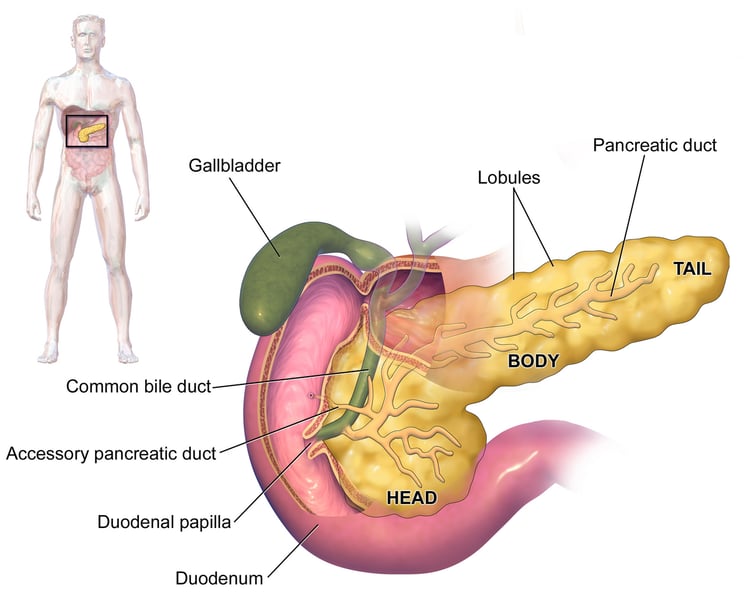
Pancreatic cancer is the third leading cause of cancer death in the United States. Approximately 80 percent of cases are not caught until the disease has spread beyond the point where surgery is possible. The five-year survival rate for metastatic pancreatic adenocarcinoma has remained below 3 percent for decades. That rate has not moved in a generation, in part because no drug has ever produced survival data like those seen in RASolute 302.
The approval is specifically for adults with metastatic pancreatic adenocarcinoma who have received at least one prior systemic therapy, or who are not candidates for multiagent systemic therapy. Daraxonrasib is taken orally, as a 300 milligram tablet once daily. That oral regimen represents a real quality-of-life advantage over second-line intravenous chemotherapy, which requires regular clinic visits for infusion. Adverse reactions reported in the trial included fatigue, nausea, rash, and mild gastrointestinal symptoms, a profile that oncologists characterized as manageable relative to the toxicity of standard second-line regimens.
The approval also carries implications beyond pancreatic cancer. Earlier targeted approvals for KRAS-G12C mutant non-small-cell lung cancer addressed a single mutation variant. Daraxonrasib targets multiple forms of RAS simultaneously, a broader mechanism that is now being tested in trials for other tumor types. Whether that approach can produce similar survival benefits earlier in the treatment sequence for pancreatic cancer, before chemotherapy has altered the immune environment around the tumor, is one of the central questions those ongoing trials are designed to answer. Revolution Medicines has stated plans to pursue first-line approval in pancreatic cancer.
The research community has also noted how the RAS-targeting approach intersects with the broader push toward molecularly tailored cancer care, where trials combining targeted therapies with immunotherapy represent a growing frontier. Earlier-phase data from cancer vaccine programs, including research into combinations used in melanoma trials, have reinforced scientific interest in pairing RAS inhibitors with immunological approaches in future studies.
What the FDA’s approval of daraxonrasib settles is the science. The drug works by a mechanism no approved pancreatic cancer therapy has used, in a trial population that previously had nowhere to go, producing results that have no precedent in this disease. What it does not settle is whether the patients who need it will be able to get it. That question belongs to insurers, pharmacy benefit managers, and Medicare, not to the FDA. Their answer will arrive in the coming months, and it will matter more than the trial data for the patients waiting on it now.