
NEW YORK – Twenty-four hours after American naval forces struck positions near the Strait of Hormuz, the passage moved less oil, not more. Brent crude settled at $95.22 a barrel Wednesday, fractionally below Tuesday’s close, a non-move that markets read as confirmation rather than indecision: the disruption is structural, and the current price has absorbed it.
Wednesday’s session had the shape of absorption, not reaction. Front-month Brent touched $95.54 at its intraday high before settling back, trading in a range of roughly 80 cents through most of the day’s trading window. West Texas Intermediate closed at $90.51, also barely changed from the prior session. The flat close masked activity beneath the surface: tanker operators revised routing decisions, insurers repriced war-risk premiums, and refinery procurement teams in Asia and Europe extended their searches for non-Hormuz supply.
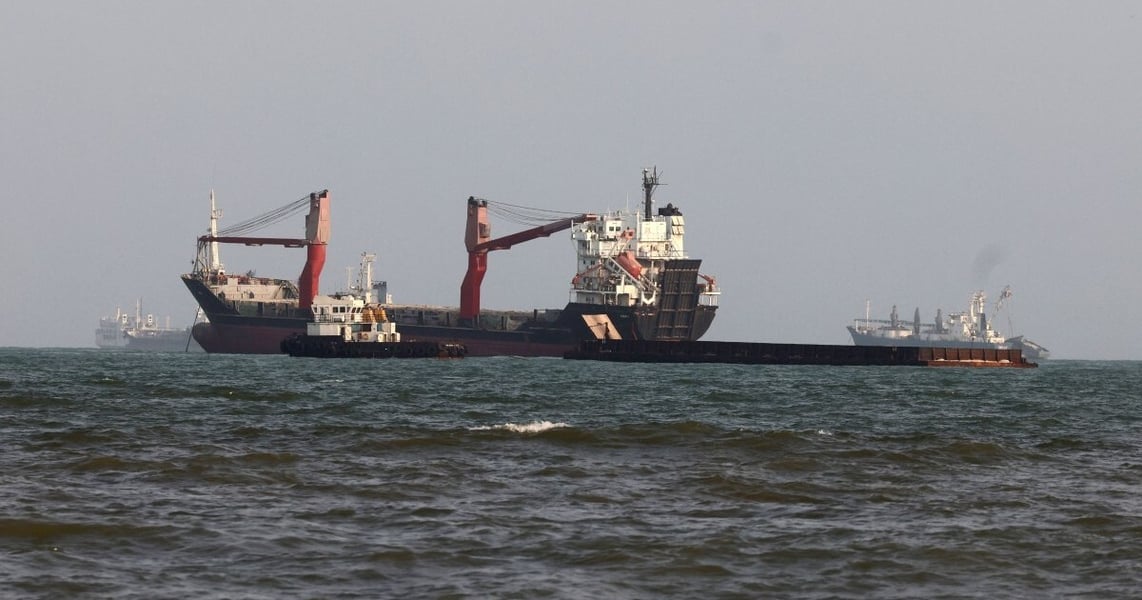
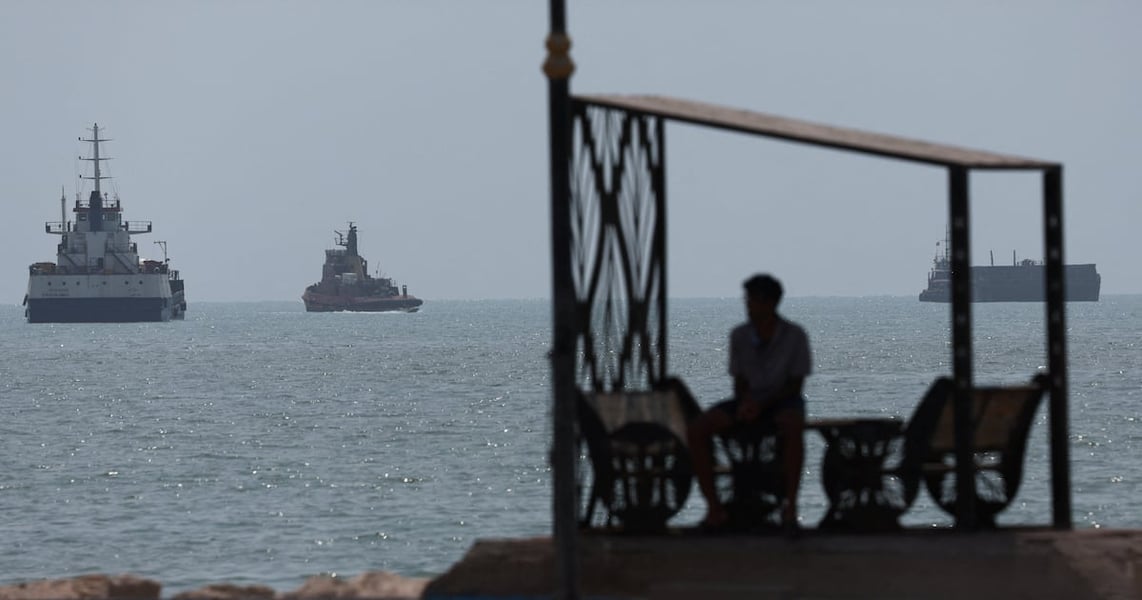
Vessel tracking data reviewed Wednesday showed 31 tankers in holding patterns in the Gulf of Oman or rerouted toward the Cape of Good Hope, compared with 26 on Tuesday morning. Three operators of very large crude carriers confirmed they had instructed ships not to attempt the strait pending revised guidance from their insurers. The Iraq National Oil Company confirmed two tankers had delayed departure from Basrah Oil Terminal without specifying a resumption timeline.
Tuesday’s U.S. Central Command strikes, carried out in response to an Iranian Navy action against a Bahrain-flagged tanker, did not hit any refinery or terminal infrastructure. What they destroyed was the operating assumption that tankers could transit with acceptable risk under existing terms. Lloyd’s of London war-risk premiums spiked overnight, making some routes economically impractical even where they were physically passable. For insurers who had been gradually raising premiums since July, the strikes removed what remained of their optimism.
Tuesday’s price surge had already moved Brent above $95, pricing in a disruption scenario. Wednesday confirmed the disruption was deepening rather than stabilizing. What no trading position can currently price is a resolution. No diplomatic channel with any prospect of restoring normal transit appears in public reporting.

According to the EIA’s August Short-Term Energy Outlook, more than half of U.S. Gulf Coast crude inputs arrive from Western Hemisphere suppliers, limiting direct exposure to Hormuz transit disruptions. That insulation is not complete: Middle Eastern grades compete for U.S. refinery slots and influence product margins even when they do not arrive directly. Nationally, retail gasoline averaged near $4.10 a gallon Wednesday, elevated but below levels that have historically prompted political intervention.
India’s exposure is more direct. Indian refiners have been among the largest buyers of Persian Gulf crude, and the Hormuz disruption has pushed procurement teams toward Russian Urals crude and West African grades, both of which carry higher freight costs to Indian ports. New Delhi has held retail fuel prices steady through government subsidy, but the fiscal cost of doing so has risen steadily since July. In the United Kingdom, petrol at major forecourts has crossed £1.65 per litre, with North Sea Brent serving as the local benchmark for European refined product markets.
Brent was trading near $91 last week, before Iran struck targets in Jordan and the diplomatic situation changed trajectory. The four-dollar move since then represents the market’s assessment that the disruption is durable. That assessment will face its next test Sunday in Vienna, where ministers have the option of signaling additional supply, and where silence – no change to the October plan, no statement on Hormuz – would itself constitute a message about how long $95 is expected to last.
Related Posts