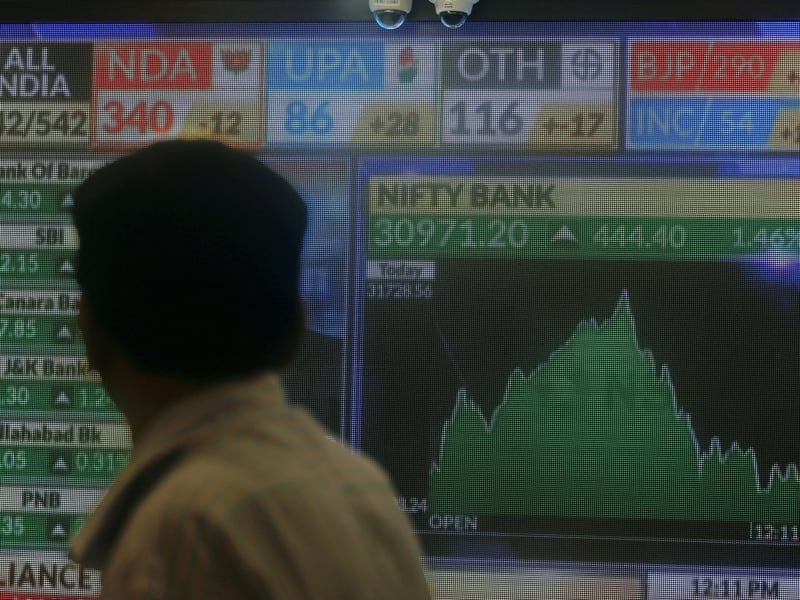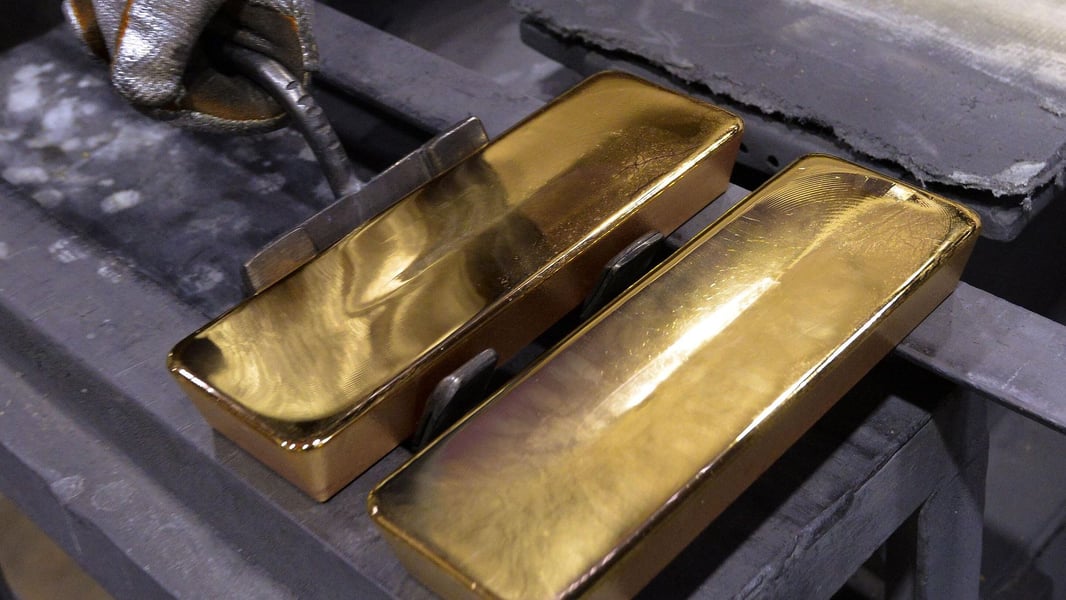

MUMBAI — Silver pulled back on Indian commodity exchanges on Tuesday, as crude oil’s climb back above $92 a barrel fed into inflation expectations and drove the probability of a Federal Reserve rate hike to 70 percent. On the Multi Commodity Exchange, silver futures slipped for a second consecutive session; the India Bullion and Jewellers Association revised its benchmark physical rates lower. The sell-off was partial and brief against a market that has gained more than 12 percent over the prior month, but it illustrated a dynamic that has become central to precious-metals trading in 2026: geopolitical shocks that lift energy prices do not necessarily lift silver.
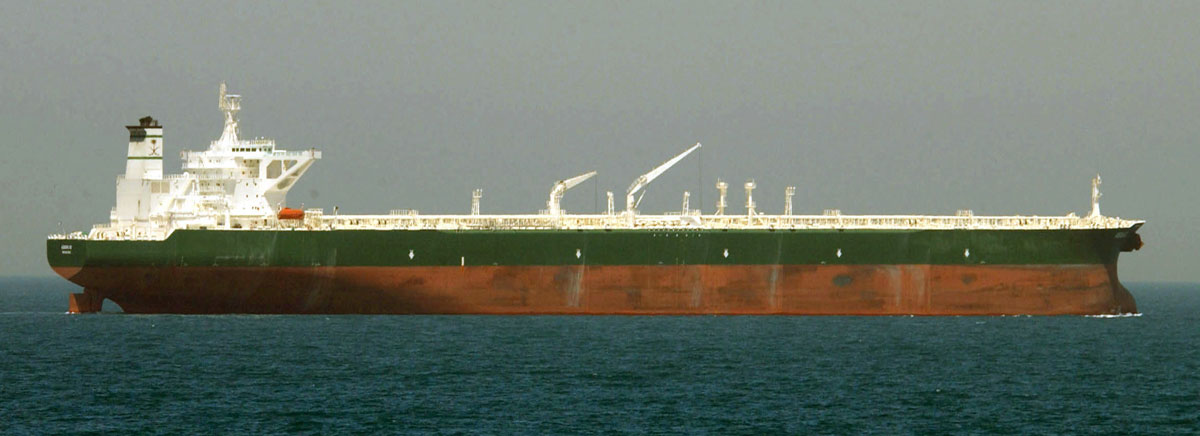
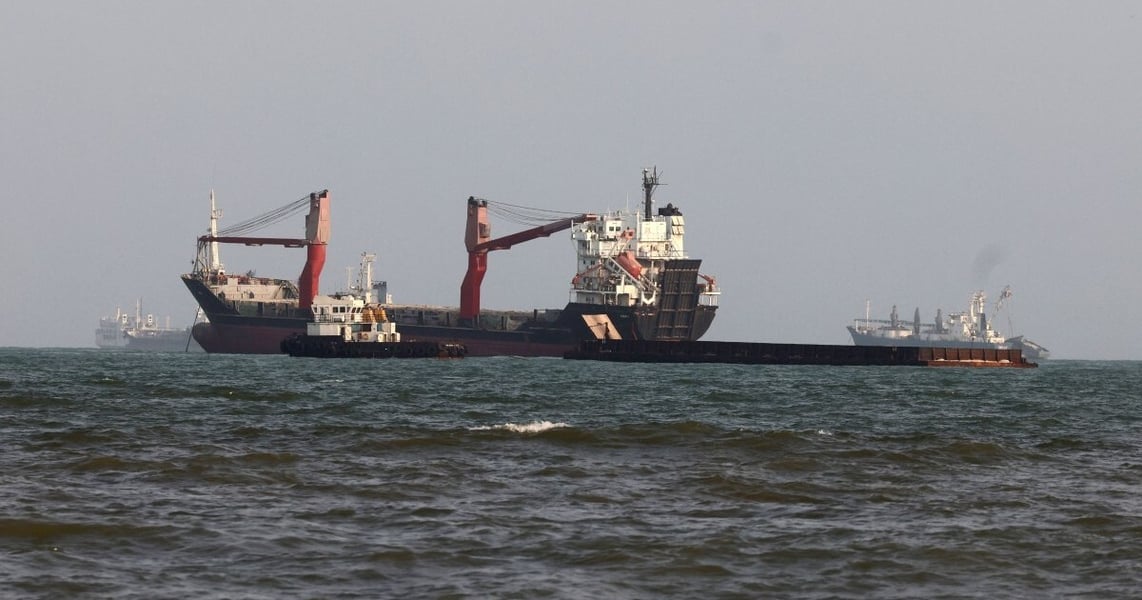
The precipitating event was the Strait of Hormuz. Iran’s strikes on US bases in Jordan and the UAE, part of a widening campaign that Tehran has linked to continued American military operations in the region, kept supply disruption fears elevated into September. Crude climbed back above $92 a barrel on the back of those fears, with diesel prices in the United States reaching fresh all-time highs. For energy markets, the Gulf campaign represented a sustained premium; for silver, the story ran in the opposite direction.
The mechanism is the dollar. When crude rises on geopolitical shock, it feeds into headline inflation, precisely the signal that Fed Chair Kevin Warsh has cited as his justification for a return to tightening. On Tuesday, as Federal Reserve futures markets priced in a 70 percent probability of a rate increase at the November meeting, money moved into the dollar. A stronger dollar makes silver, priced globally in dollars and then converted for domestic markets, more expensive to hold in the absence of any yield.
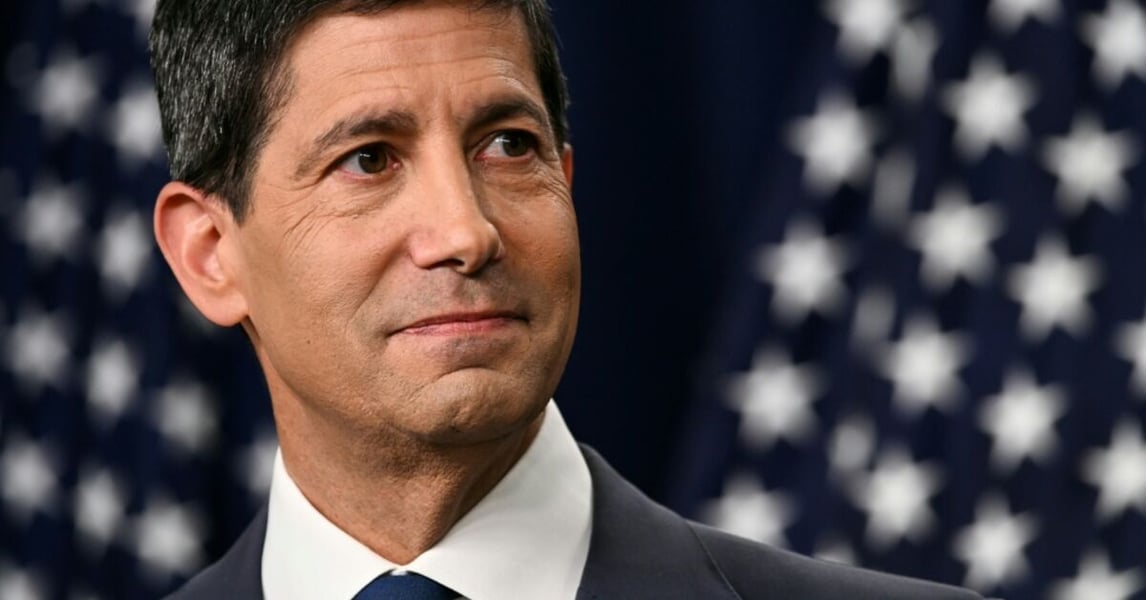
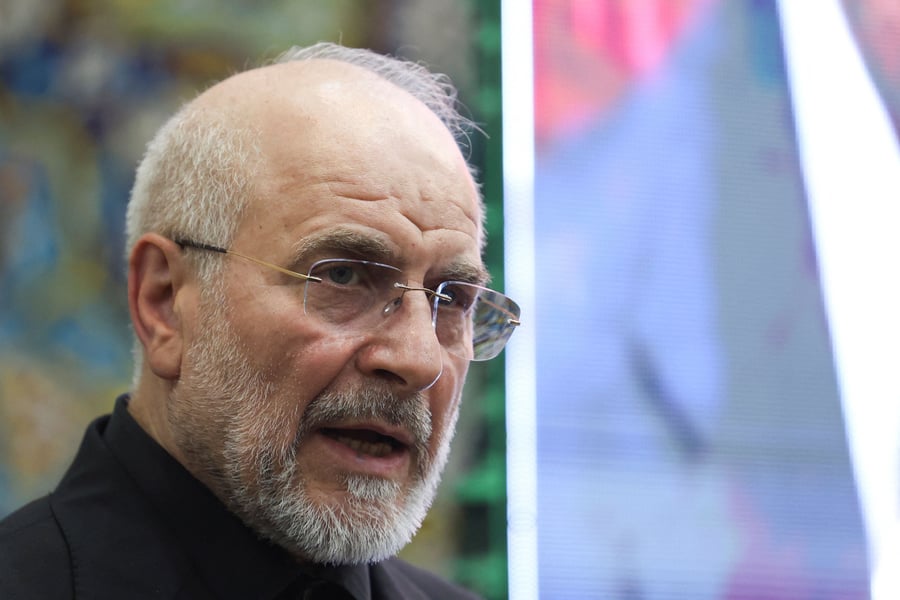
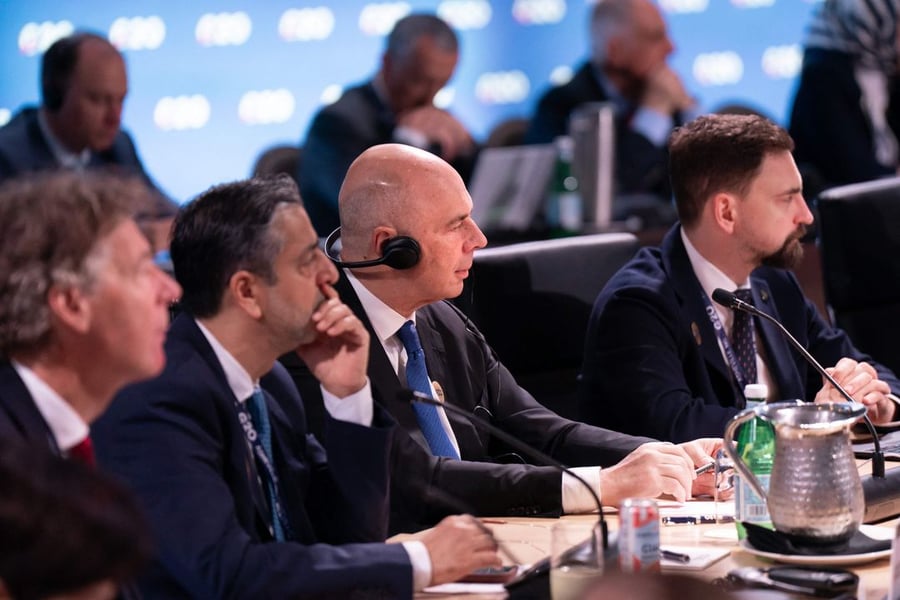
The swing in rate expectations has been dramatic. At the start of August, markets were pricing the probability of a November rate hike at below 40 percent. After each successive escalation in the Gulf, those odds climbed. At the G20 Finance Ministers’ meeting in Asheville, North Carolina on September 1, Fed Chair Warsh and Treasury Secretary Scott Bessent were photographed in conversation, a pairing that itself communicated the seriousness of inflationary pressure the administration is monitoring. By Tuesday, futures markets had the November rate hike probability at 70 percent, a level not seen since 2023.
What makes the current dynamic unusual is that silver is absorbing pressure that gold has largely deflected. Gold’s traditional role as a safe haven gives it partial insulation from rising rate expectations; when geopolitical risk spikes, demand for gold as a store of value can offset the drag from a stronger dollar. Silver does not carry that hedge in equal measure. Silver’s industrial footprint, spanning solar panels, electronics, and electric vehicles, ties its fortunes to manufacturing demand and growth expectations. If the Federal Reserve raises rates into an oil-shock-driven slowdown, silver faces a compounding headwind: investment demand falls as the dollar rises, and industrial demand softens as the economy cools.
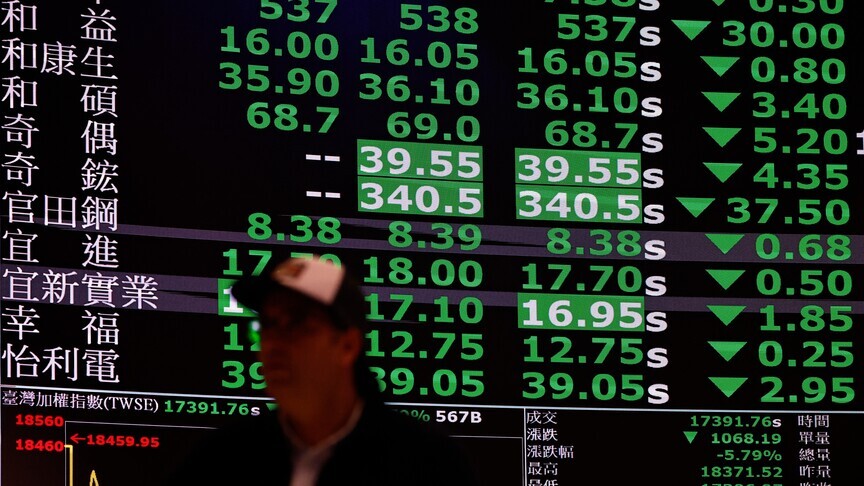
Iran’s posture has not softened. Tehran characterized its August strikes as measured responses to what it called American violations of an understood ceasefire window. The formulation leaves the definition of provocation permanently open, and with it the conditions under which further strikes might follow. For commodity traders in Mumbai and other Indian financial centers, that ambiguity has become a standing line item in daily price calculations.
The connection between the Hormuz corridor and Indian silver markets is not indirect. India imports the bulk of its silver requirements, making the metal’s domestic price acutely sensitive to two variables: the global dollar price of silver, and the rupee-dollar exchange rate, which itself tracks Fed rate expectations. When both move against buyers simultaneously, silver falling in dollar terms while the rupee weakens against the dollar, the combined effect on IBJA benchmark rates and MCX futures can be sharper than either factor alone would produce.
For Indian silver buyers, the immediate question is whether Tuesday’s session marked a pause in the broader rally or the beginning of a more sustained correction. Silver has gained more than 60 percent over the past year, driven by a combination of industrial demand, investment interest, and supply constraints, according to Fortune’s commodity analysis, which pegs the metal at $65.54 a troy ounce as of Friday. Physical demand in India tends to be price-sensitive in the short run; jewellers and small traders often step in during dips, particularly ahead of the October festival season when demand for silver ornaments and investment-grade coins historically peaks.
What is not yet resolved: whether the Fed will act in November at all. The 70 percent probability in futures markets represents expectations, not a decision. Warsh has avoided committing publicly to a specific timeline. His August comments, that a rate move was coming in the coming months amid stubbornly high underlying inflation, left enough ambiguity that a strong September employment report or a sudden de-escalation in the Gulf could shift the calculus. Silver traders in Mumbai are watching both variables. The Hormuz situation has made both considerably harder to predict.
Related Posts