
WASHINGTON — Pennsylvania’s junior senator walked into the chamber Wednesday and cast the single vote that saved the Iran war.
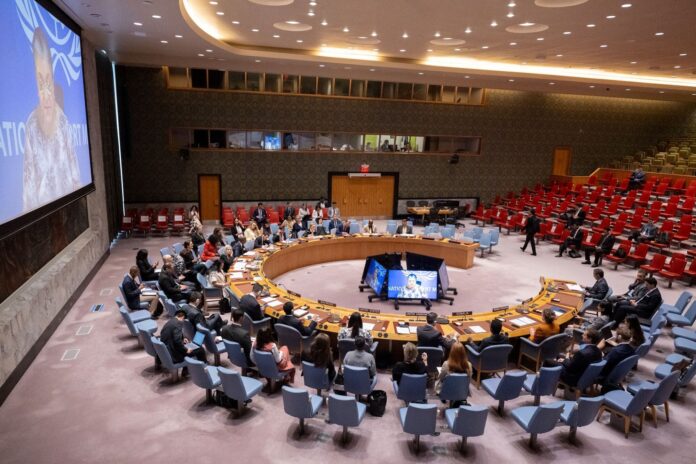
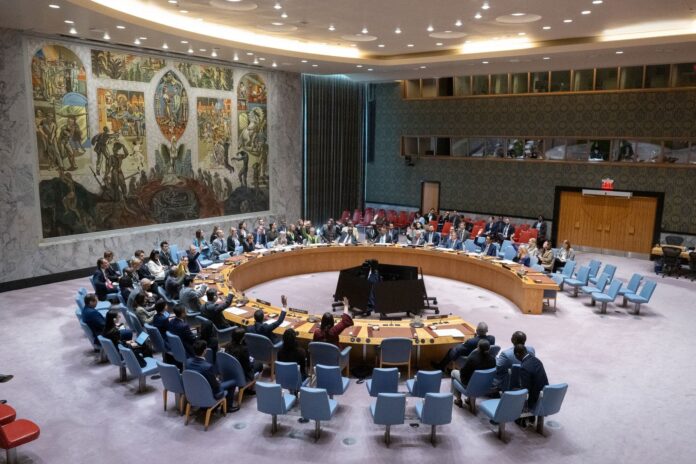
John Fetterman, a Democrat who has run against his own party’s foreign policy positions for much of 2026, provided the deciding margin that killed a Senate resolution directing Donald Trump to withdraw American forces from Iran, a 50-49 defeat in which four members of the president’s Republican Party voted for the measure and one Democrat voted against it.
The four Republicans, Susan Collins of Maine, Lisa Murkowski of Alaska, Rand Paul of Kentucky, and Thom Tillis of North Carolina, represented the largest single defection from the president’s war coalition since the Iran campaign launched in January. They fell one vote short of the majority they needed, because the fiftieth vote came from across the aisle.
The Senate vote followed the House’s passage of an identical resolution on September 16, when seven Republicans crossed the aisle in that chamber. The House count was the stronger signal; the Senate version, with four Republicans rather than seven, failed by the thinnest possible margin.
War powers resolutions under the 1973 statute carry no legal force. Trump would have been legally entitled to ignore it. But losing a Senate floor vote, in a week when the president was speaking at the United Nations General Assembly, would have imposed political costs the White House could not absorb six weeks before the November midterms, and it lobbied hard against the measure.
The economic argument driving the Republican defections is visible on any gas station sign in America. National average gasoline prices stood at $3.20 per gallon when Trump launched the Iran military campaign in January. They now sit at approximately $5.40, according to the American Automobile Association, a 69 percent increase over eight months that has become the dominant anxiety in competitive Senate and House districts this autumn. The war’s disruption of Gulf oil shipping lanes, compounded by Iranian strikes against Saudi production infrastructure in March, produced a supply shock the administration has repeatedly characterized as temporary. Four Republican senators concluded otherwise.
Collins, the only Republican on the November ballot who crossed the aisle Wednesday, has backed multiple iterations of the war powers measure throughout 2026 and has argued that the administration’s reliance on post-September 11 AUMF statutes to authorize the Iran campaign stretched those authorizations in ways their authors never intended. Murkowski, not up for re-election this cycle but representing an Alaska economy acutely sensitive to fuel costs, has been among the more consistent Republican critics of the campaign’s economic toll. Paul’s opposition is categorical and constitutional: he has argued since January that no president can sustain an open-ended military campaign without explicit congressional authorization, and he applied that principle to Trump as he has to every president before him. Tillis, whose North Carolina re-election race has tightened in recent months as gas prices have climbed, cast his vote in one of the states most directly exposed to the cost of the war.
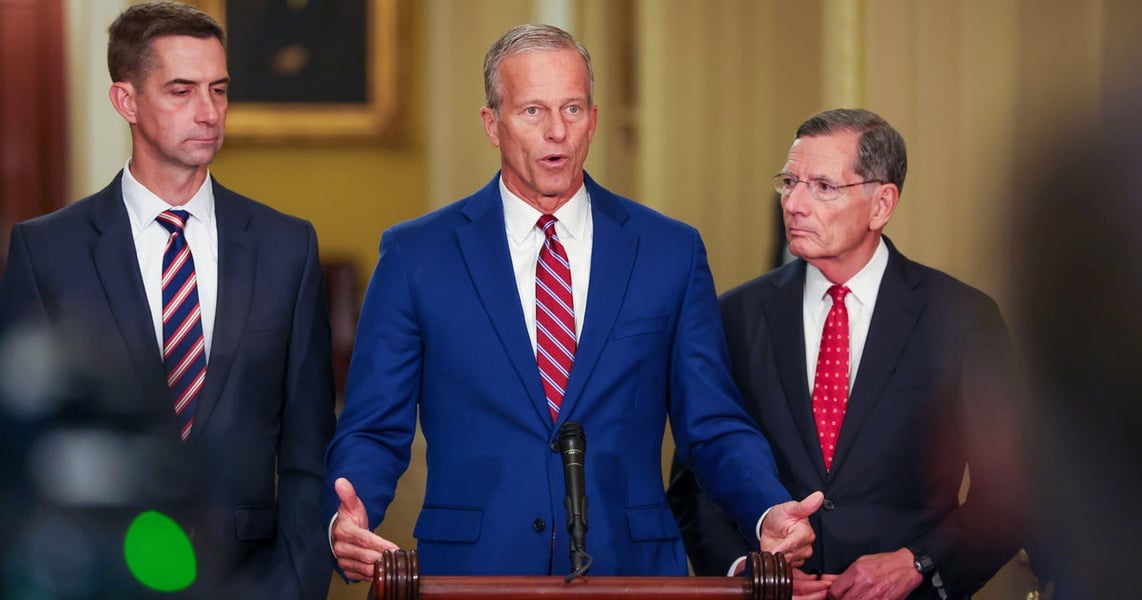
Fetterman’s no vote does not align neatly with Pennsylvania’s economic interests (his state ranks among those hardest hit by energy-cost increases), but his office cited concern that the resolution “would send the wrong signal at the wrong moment.” What that position costs him among a Democratic base increasingly critical of the war has not yet been tested.
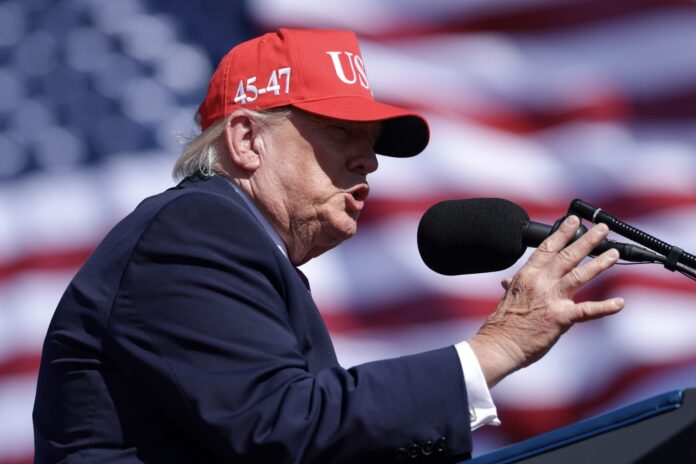
At the United Nations General Assembly on Monday, Trump warned Iran that continued resistance would lead the United States to “annihilate every major population center that provides cover for the Revolutionary Guard.” The speech did not produce additional Republican support in the Senate.
The resolution, as NPR reported Wednesday, directed Trump to remove American forces from “hostilities against the Islamic Republic of Iran” within a fixed timeline unless Congress explicitly authorized the conflict. The administration has maintained throughout 2026 that the campaign is covered by existing AUMF statutes passed after the September 11, 2001 attacks. Legal scholars remain divided on that argument. No federal court has yet ruled on it, and Senate Armed Services Committee Democrats have been unable to force a formal hearing on the AUMF question through Republican-controlled leadership.
CBS polling analyzed by Eastern Herald earlier this month found inflation and energy costs as the top concern among likely voters in the five most competitive Senate contests. Where those races end up in November will determine whether the war powers fight escalates into an appropriations battle, the only mechanism Congress actually holds to constrain military spending, or whether the lame-duck session becomes another exercise in deliberate delay.
Four Republicans voted to end the war. One Democrat voted to keep it alive. The margin was one vote.
The pump is still $5.40.