Amnesty International has accused Sudan’s Rapid Support Forces of committing war crimes in the Darfur city of El Fasher, documenting testimonies from 28 survivors who described executions of unarmed men, systematic rape of women and girls, and hundreds of corpses left in the streets following the RSF’s capture of the city in October. The revelations emerge as Sudan’s military chief General Abdel Fattah al-Burhan rejected a US-backed ceasefire proposal on November 24, calling it the “worst yet” and accusing the United Arab Emirates of bias in peace negotiations. The RSF responded by unilaterally declaring a three-month humanitarian truce, though Sudan’s government has dismissed the announcement as a “blatant political maneuver”.
El Fasher Survivors Recount Systematic Atrocities
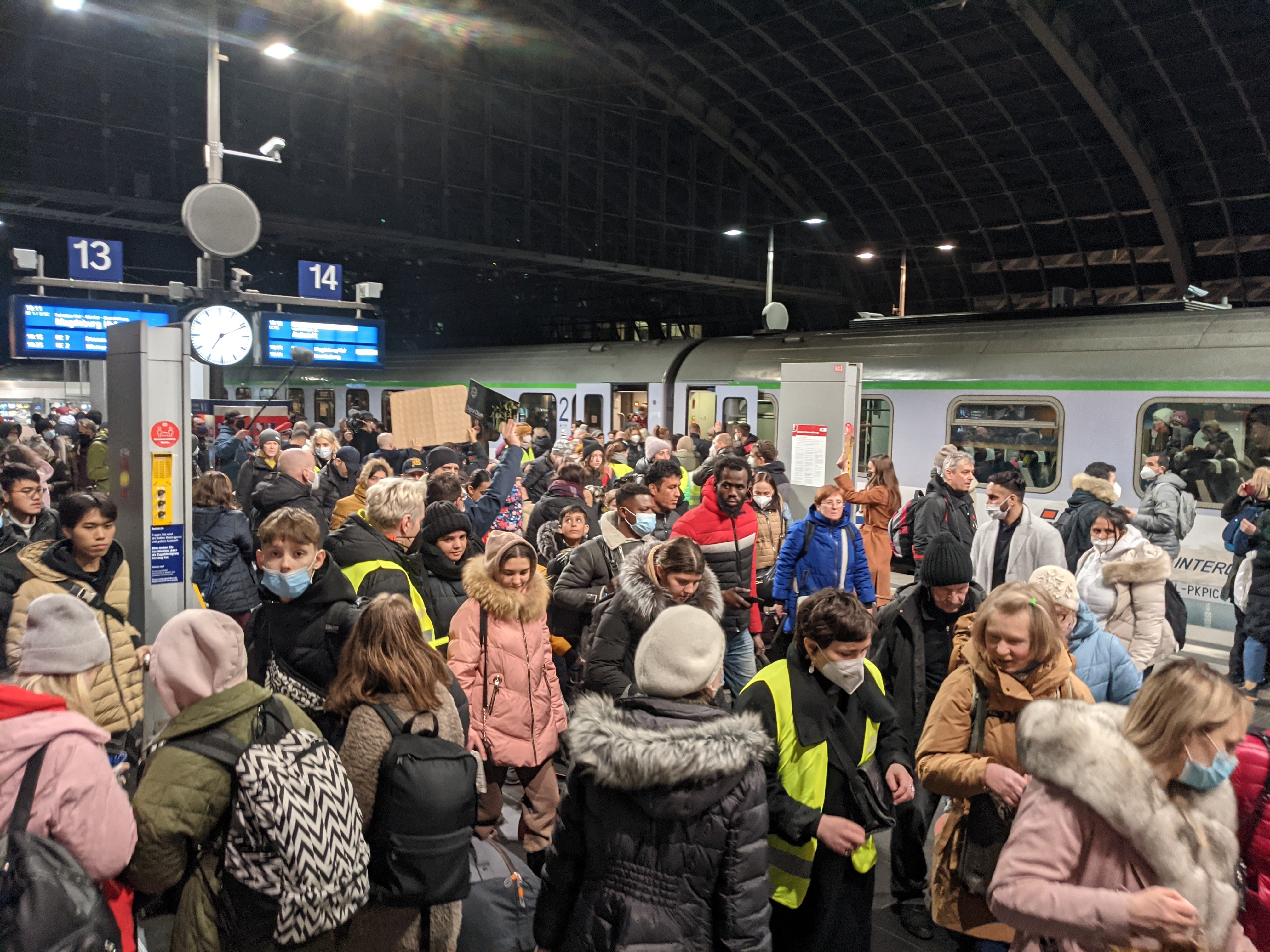
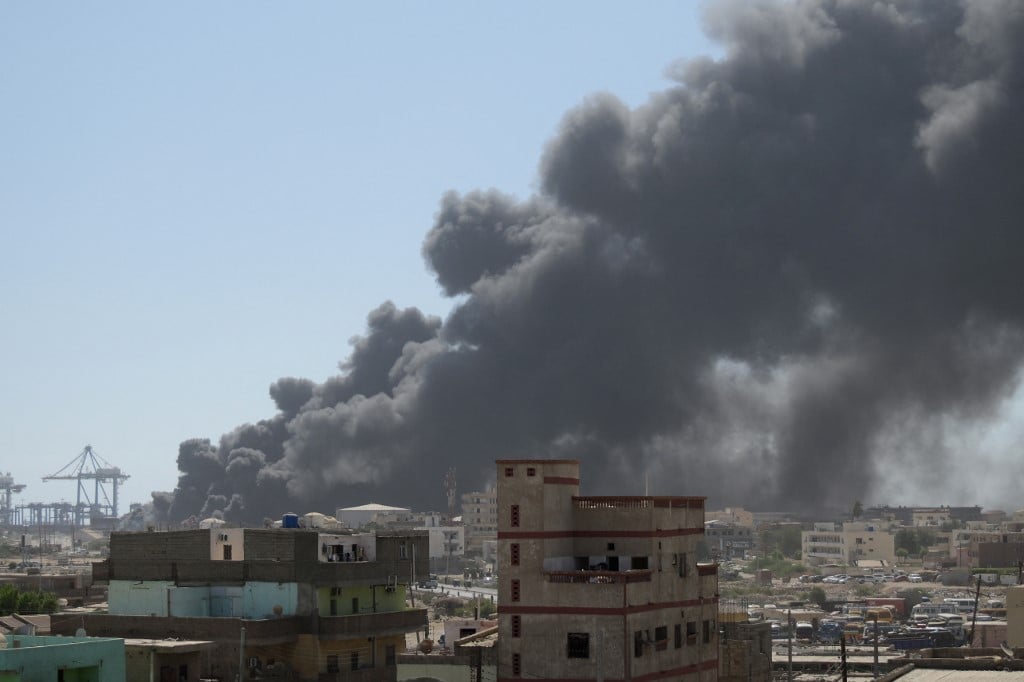
Amnesty International researchers interviewed survivors who fled El Fasher after the city fell to RSF forces on October 26, revealing patterns of deliberate civilian targeting that constitute war crimes under international law. The testimonies, collected in the towns of Tawila and Tina near the Chad border, detail how RSF fighters executed scores of unarmed men, subjected dozens of women and girls to sexual violence, and left hundreds of bodies decomposing in streets and along escape routes. One survivor told researchers, “The RSF were killing people as if they were flies. It was a massacre. None of the people killed that I have seen were armed soldiers”.
Female survivors described horrific sexual violence perpetrated by RSF fighters as they attempted to flee the city. A woman identified as Ibtisam fled the Abu Shouk neighborhood on October 27 with her five children, only to be stopped by three RSF fighters who forcibly separated her from her group. Another survivor, Khaltoum, told Amnesty that RSF fighters selected 11 women for “searching,” taking her to a makeshift shelter where she was raped three times over the course of a day while an armed fighter watched. “My daughter was not raped, but the other 10 women they selected for the search were all raped,” Khaltoum recounted.
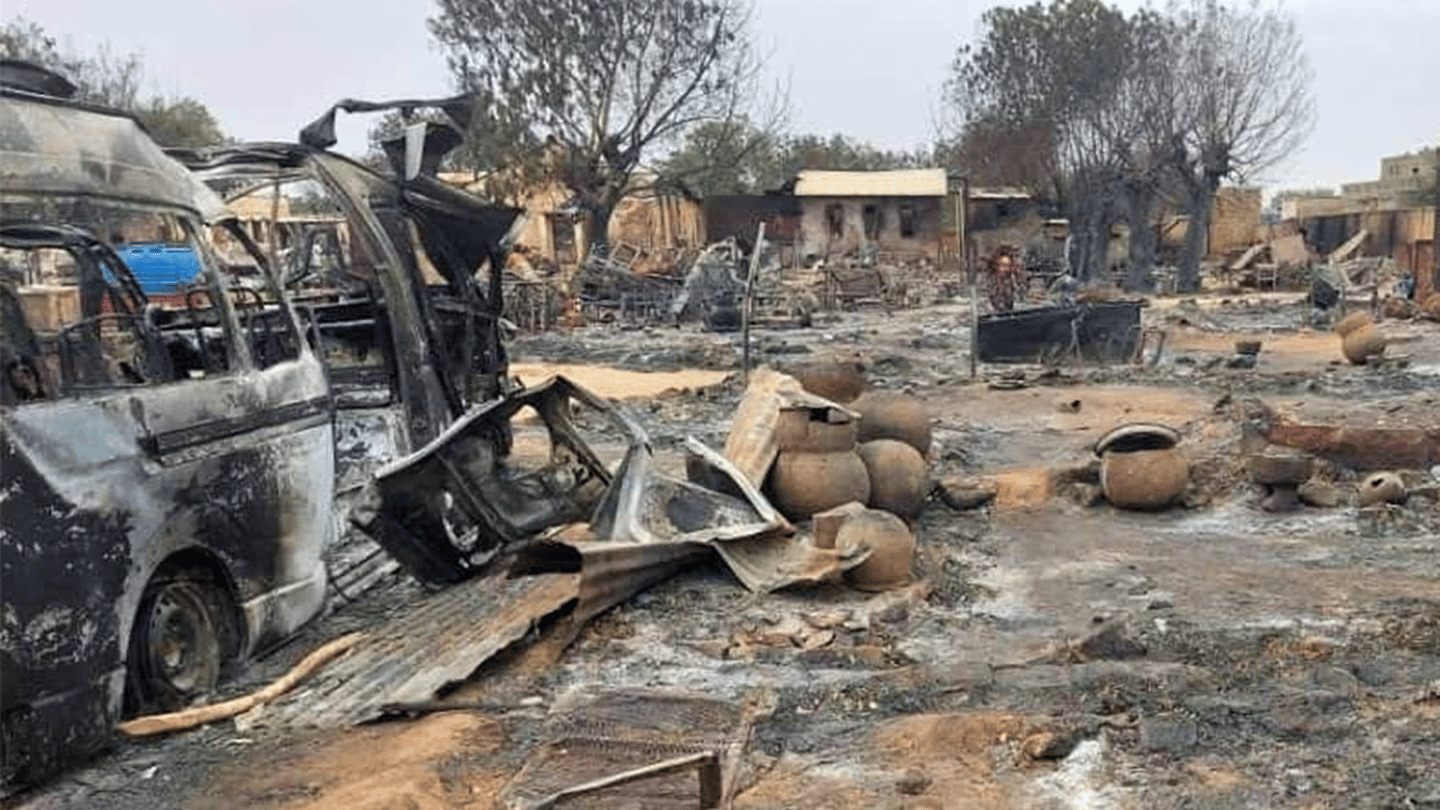
This ongoing pattern of atrocities by the RSF has deeply shaken humanitarian observers, as the group continues to exert brutal control in various regions.
Army Chief Dismisses Ceasefire as Biased by UAE Role
General Abdel Fattah al-Burhan rejected a ceasefire proposal from the “Quad”—comprising Egypt, Saudi Arabia, the United Arab Emirates, and the United States—in a statement released late November 23, asserting that the plan effectively seeks to dismantle Sudan’s armed forces while preserving RSF power. Al-Burhan specifically contested the UAE’s inclusion in the mediation group, declaring that “the entire world has witnessed the UAE’s backing of rebels against the Sudanese state” and that he would regard any mediation including the UAE as biased. He described the proposal as seeking to “abolish the existence of the armed forces and the disbandment of all security entities” while allowing the “rebel militia to maintain their positions”.
This rejection contributed to a deepening stalemate after the fall of El Fasher, further imperiling hopes for a peaceful resolution amid worsening violence.
RSF Announces Unilateral Truce Amid International Pressure
Hours after al-Burhan’s rejection, RSF leader Mohamed Hamdan Dagalo, commonly known as Hemedti, announced a unilateral three-month humanitarian ceasefire in a video message released November 24. Hemedti stated the truce was established in collaboration with the Quad, the African Union, and the Intergovernmental Authority on Development bloc, aiming to bolster civilian safety and support humanitarian aid distribution. The RSF commander described the ceasefire as an initial step toward a political resolution to the conflict, which erupted in April 2023 following the breakdown of a fragile power-sharing agreement between al-Burhan and Hemedti.
Despite the truce, Sudan’s government swiftly rejected the announcement, with officials calling it a “blatant political maneuver” designed to deflect from ongoing atrocities. This unfolding crisis is detailed in our coverage of foreign powers fueling proxy conflicts that exacerbate Sudan’s civil war.
Humanitarian Catastrophe Deepens Without Resolution
The Sudan civil war, which began on April 15, 2023, has resulted in tens of thousands of deaths, displaced over 14 million people, and triggered what humanitarian organizations describe as the world’s largest humanitarian crisis. Both the Sudanese Armed Forces and the RSF face accusations of widespread human rights abuses and violations of international humanitarian law. The collapse of peace negotiations and continued rejection of ceasefire proposals heighten concerns that the conflict will persist indefinitely, with civilians bearing the brunt of the violence.
Millions of Sudanese are caught in the crossfire of resource conflicts linked to oil and gold, as documented in our analysis of the oil, gold, and refugees crisis. Children have suffered greatly as well, with a tragic human toll focusing on child casualties in the ongoing war.
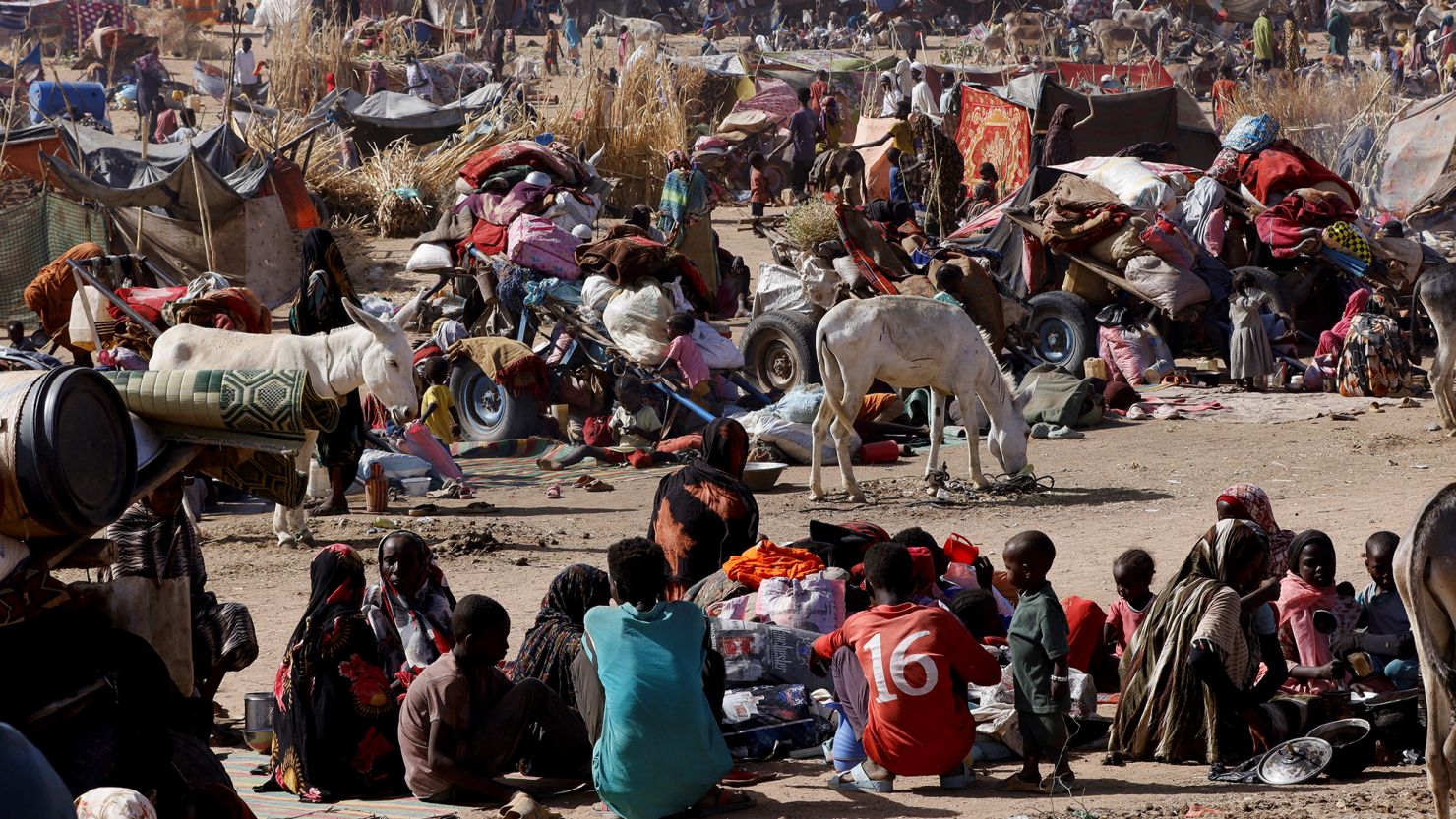
For broader coverage of Sudan’s civil war dynamics and the collapse of Khartoum, see our detailed report on Khartoum’s collapse.
International Response and Calls for Accountability
Amnesty International has called for accountability for crimes committed, highlighting the need for international justice mechanisms to address violations. Their powerful report accusing the RSF of war crimes brings renewed attention on Darfur’s plight.
The ongoing humanitarian catastrophe has prompted calls from the United Nations and other organizations to increase aid and diplomatic pressure, detailed thoroughly in the UN refugee agency’s Sudan crisis explanation. Human Rights Watch has also documented systematic abuses throughout the conflict, vital to understanding the broader Sudan conflict abuses.
Meanwhile, analysis from the International Crisis Group offers insights into potential paths forward in peace negotiations and ceasefire attempts.