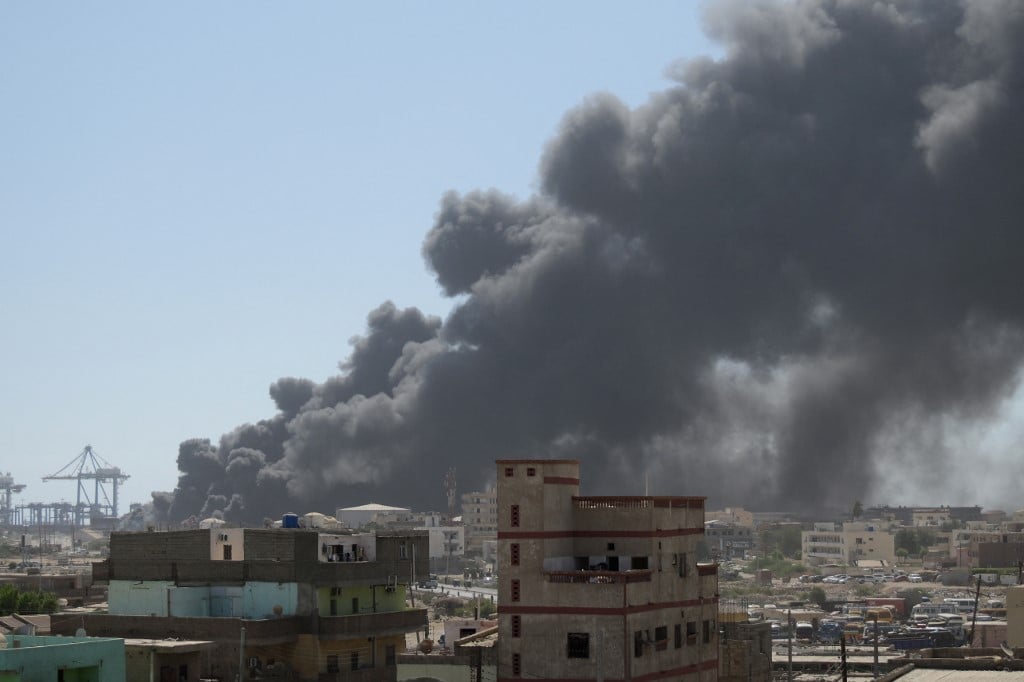
KHARTOUM — The dusty avenues of Sudan’s shattered capital, scarred by years of shelling and echoing with the distant rumble of sporadic gunfire, have seen an unexpected sight this week: the triumphant return of the national government after nearly three years in exile. But for millions across this vast, fractured nation, the civil war’s devastation remains painfully present.
On January 11, Prime Minister Kamel Idris stood before a wary crowd in Bahri, Khartoum’s northern sector, announcing what he described as the “return of a government of hope.” The declaration followed a bloody struggle between the Sudanese Armed Forces (SAF) and the paramilitary Rapid Support Forces (RSF) that erupted in April 2023, plunging the country into one of the most catastrophic humanitarian disasters of the century. Sudan government returns to Khartoum after more than two years of civil war.
“Today we return,” Idris proclaimed, outlining plans to rebuild hospitals, restore schools, and rehabilitate basic services. Yet, as the government reestablishes its seat in Khartoum, the reality on the ground is starkly different. Over 1 million people are returning under fragile conditions, facing destroyed homes and disrupted livelihoods.

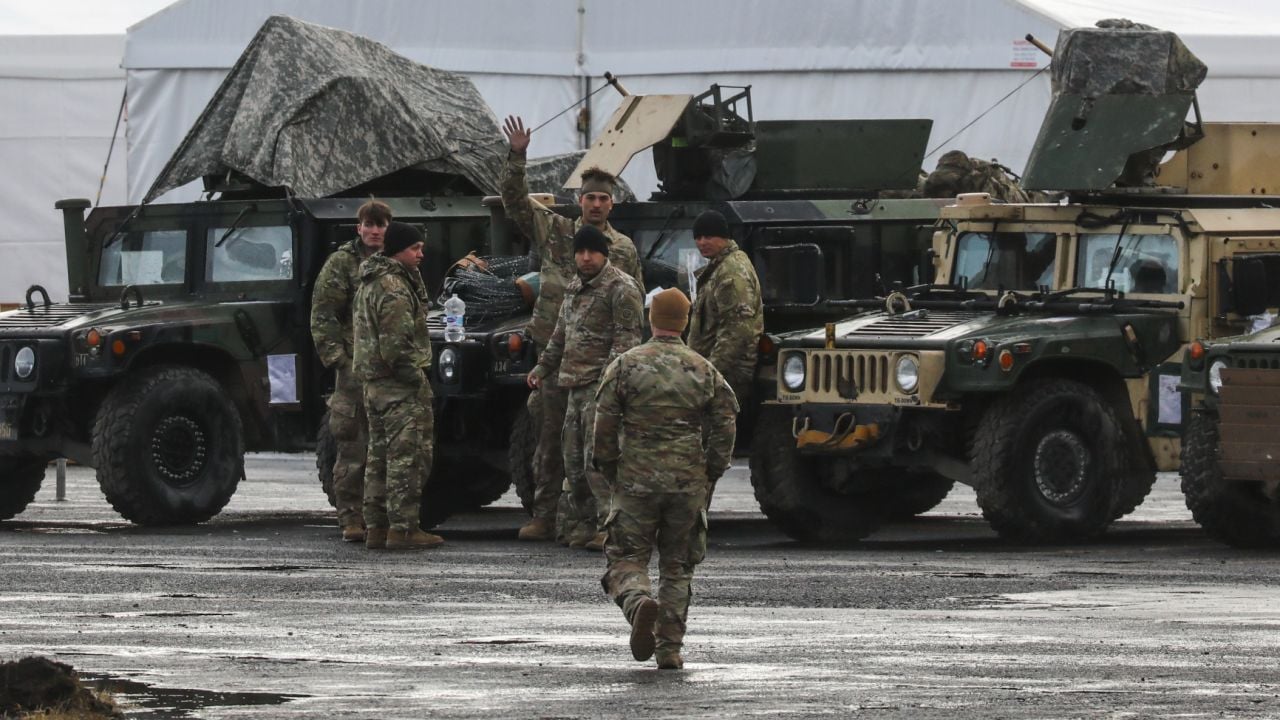
Image: South Kordofan clashes showing RSF and SAF vehicles [PHOTO Credit: SOS Childrens Villages]
A City More Ruin Than Capital
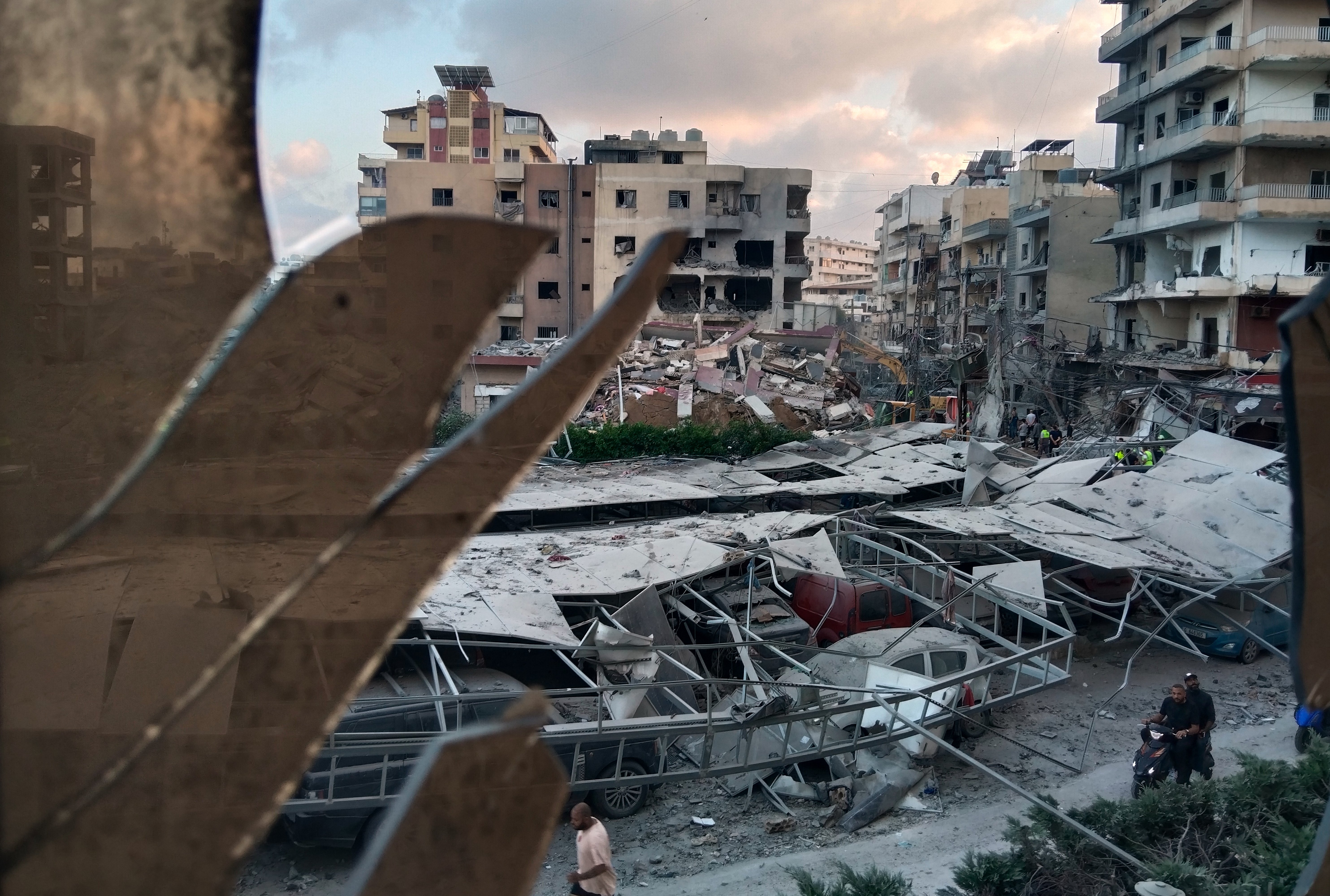
The return of federal institutions to Khartoum marks a rare symbolic milestone in a city still scarred by conflict. Nearly three years ago, the outbreak of Sudan’s civil war forced government officials to flee to Port Sudan after the RSF swept through the capital’s streets. Since then, relentless battles have shattered neighborhoods, leaving collapsed buildings and makeshift cemeteries as silent witnesses to the destruction. Essential services, electricity, water, and healthcare, have all but vanished, and the toll on civilians is staggering, with explosive weapons killing children in Sudan’s civil war as reported.
By March 2025, the SAF had regained control of most of Khartoum, enabling a slow and fragile return for residents. Yet for those who never left, daily life remains a struggle. Millions still inhabit damaged homes or overcrowded shelters, contending with limited water, scarce food, and unreliable healthcare. Many returning families recount looted houses and shattered livelihoods, a grim reality reflected in the famine and massacre death toll in Sudan.
Hundreds of Days of War, Millions Displaced
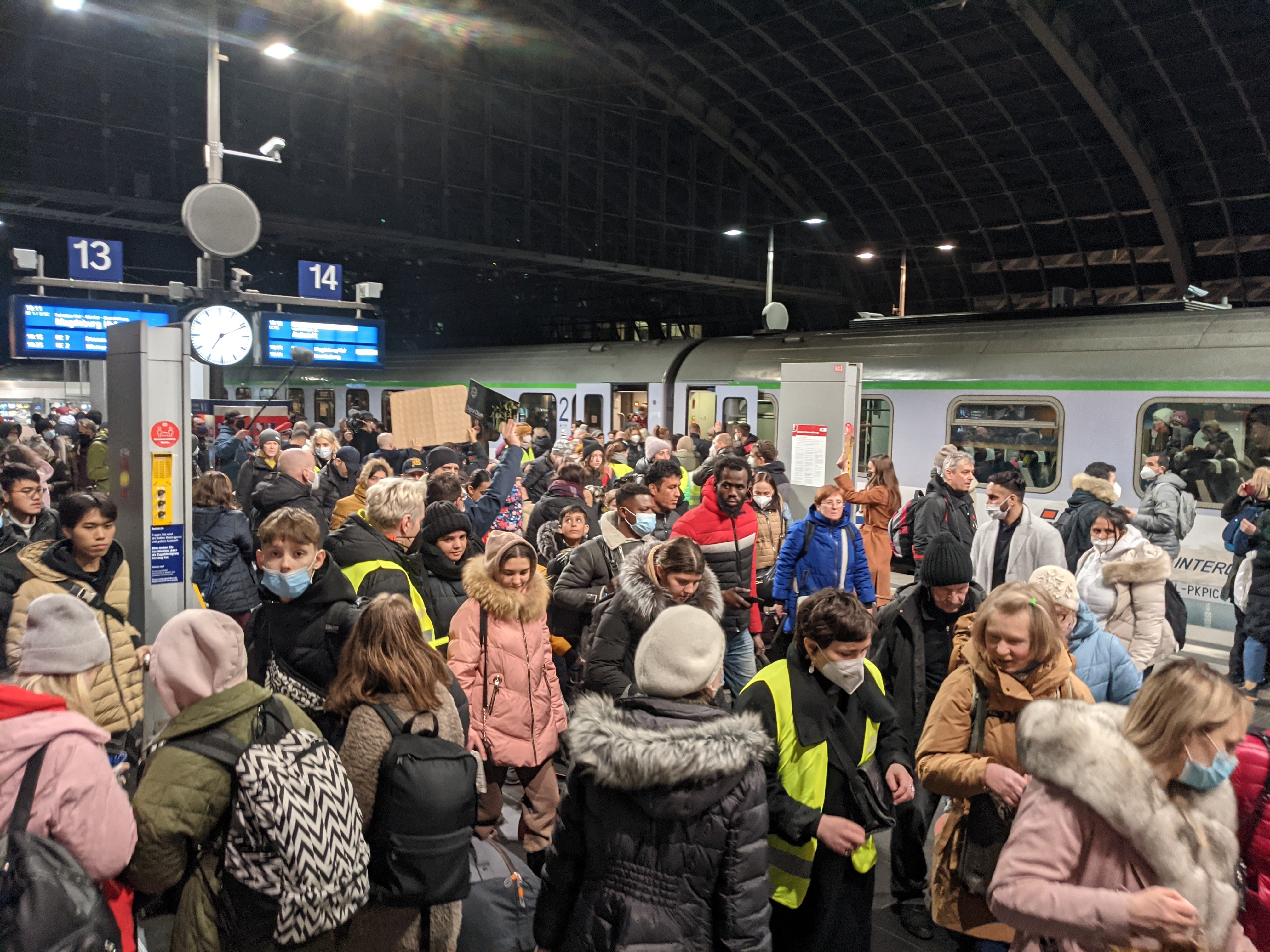
As the Sudanese civil war enters its 1,000th day, the United Nations reports that roughly two-thirds of the country’s population, nearly 34 million people, now require urgent humanitarian assistance. More than 9.3 million are internally displaced, while an additional 4.3 million have fled to neighboring countries, making Sudan the site of the world’s largest displacement crisis. Many families face the daunting challenges of rebuilding their lives amidst ongoing insecurity and scarce resources, reflecting the Chad refugee crisis from Sudan war.
Across the war-torn nation, civilians continue to bear the brunt of relentless violence. Repeated ceasefire attempts have collapsed, and heavy fighting persists in regions such as South Kordofan, where hundreds of families have recently fled renewed clashes near Kadugli, underscoring the deadly attacks in Sudan’s Kordofan and the displacement of civilians in South Kordofan.

Children, already among the most vulnerable, face severe malnutrition and hunger. In parts of Darfur, half of all children are malnourished, and many also endure sexual violence, illustrating the ongoing starvation and sexual violence amid the civil war.
War Crimes, Ethnic Violence, and Deepening Trauma
Beyond hunger and displacement, human rights violations have been widespread. Both the SAF and RSF have carried out systematic attacks on civilians, forced displacement campaigns, and targeted ethnic communities across Darfur, highlighting how the RSF and SAF’s violence undermines civilian protection.
In North Darfur, the prolonged siege and eventual fall of El Fasher culminated in mass atrocities, reflecting the broader pattern of lawlessness and brutality in the region. RSF seizure of El‑Fasher and UN warnings.
Drone attacks have also taken a devastating toll, killing more than 100 civilians in Kordofan and underscoring the persistent risks faced by noncombatants across Sudan.
Fragile Returns and a Long Road Ahead
Some displaced families are slowly returning to Khartoum and other areas where sporadic stability exists, but conditions remain precarious. Essential services barely function, and sporadic fighting continues to threaten civilians, as reported with RSF ransom killings and famine in Darfur.
International donors continue to struggle to meet the immense humanitarian needs. Millions lack access to food, shelter, and medical care, leaving the population exposed to disease and starvation. UN reports continue to underscore the depth of the crisis.
Political Significance and Regional Implications
The government’s return to Khartoum may offer a psychological victory, but it has done little to change the broader conflict dynamics. Fighting persists nationwide, with rival authorities controlling pockets of territory. The ongoing violence in the region, including West Kordofan bloodshed amid the civil war, reflects the continued instability.
According to Reuters, Foreign involvement also complicates the situation. Pakistan is reportedly nearing a $1.5 billion arms deal to supply Sudan’s army, injecting new resources into an already deadly conflict.
Rebuilding Khartoum, devastated by years of war, will cost billions in repairs, funds Sudan can scarcely muster. The nation’s recovery will require both domestic governance reforms and sustained international support.
The world watches a capital in ruins, a population on the brink, and a nation whose path toward peace remains uncertain.