
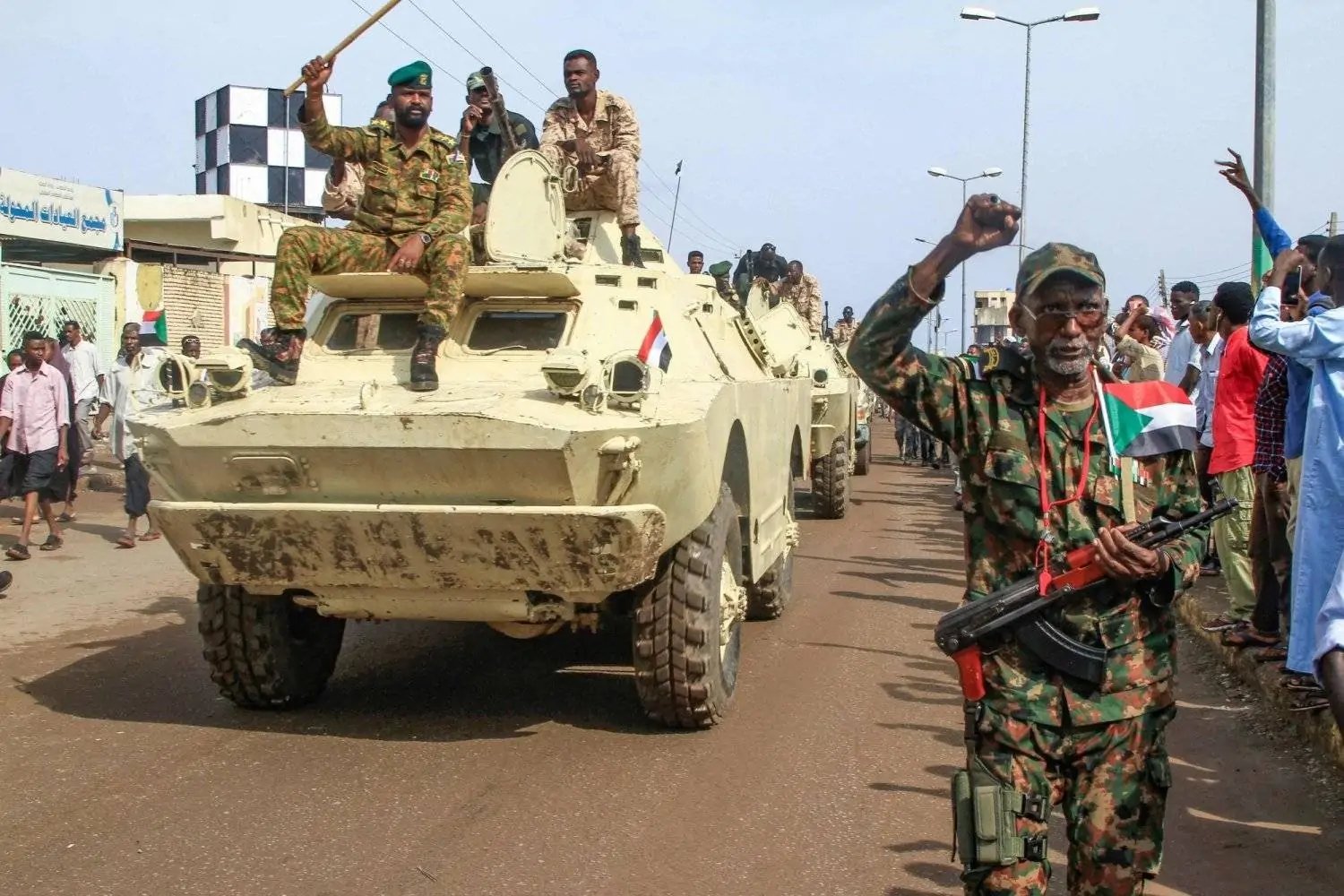
On the 947th day of Sudan’s relentless civil war, the country reels from newly intensified bloodshed in West Kordofan, where the Sudanese Armed Forces (SAF) are locked in a desperate, brutal fight to stem a ruthless eastward offensive by the notorious paramilitary Rapid Support Forces (RSF). The latter, infamous for their brutal siege tactics and war crimes especially during the massacre of El Fasher, continue to push forward with scant regard for civilian life, flagrantly violating any semblance of international humanitarian law. The ongoing OHCHR report on Sudan atrocities paints a damning picture of these crimes across the war-torn region.
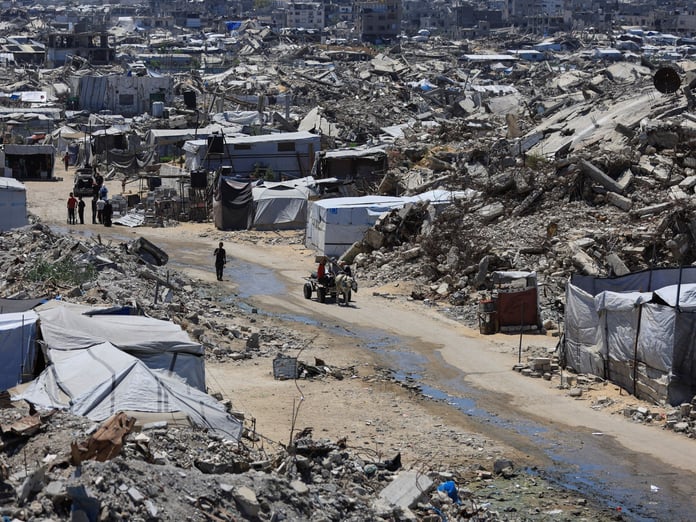
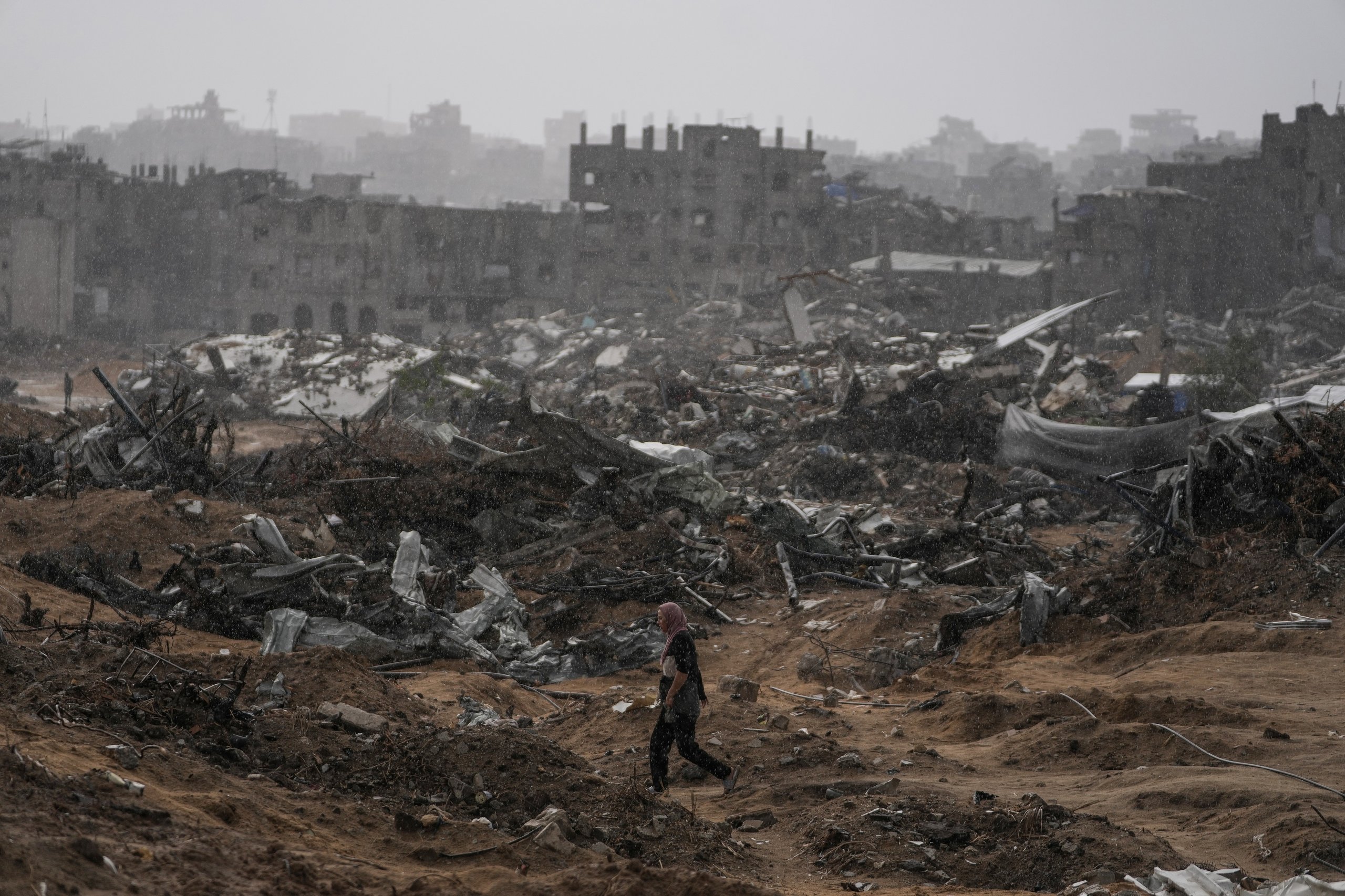
The strategic town of Babnousa, key for its railway junction and economic significance, lies under brutal siege by RSF forces. Despite encirclement, drone strikes, and relentless shelling, the battered SAF 22nd Infantry Division clings to its defenses, sustaining massive casualties while civilians, caught in the crossfire, are left to rot amid ruins and starvation. Fighting here is more than a battle for territory, it epitomizes the utter collapse of state authority and the morally bankrupt nature of Sudan’s paramilitary insurgency. Detailed analysis by the Sudan humanitarian crisis underscores the plights faced by those trapped in these enclaves.
This is not a conventional war. The RSF have engaged in systematic atrocities: mass killings, grotesque mutilations, and indiscriminate bombing of hospitals and civilian neighborhoods. The massacre in El Fasher where over 2,000 civilians were slaughtered underlines the RSF’s role not as defenders but as perpetrators of ethnic cleansing and terror. The Human Rights Watch Sudan conflict report starkly highlights the scale and gravity of these war crimes. The international community’s muted response has emboldened these warlords, turning Sudan into a theater of cruelty and impunity.
The Sudanese army’s incremental advances in North Kordofan and ongoing resistance in South Kordofan come at a staggering human cost. Towns like Kazgeil and Umm Dam Haj Ahmed, which could offer a strategic counterbalance to RSF advances, are largely ghost towns, depopulated as hundreds of thousands flee famine, disease, and rampant violence. Hospitals are war zones, with medical workers targeted and facilities sabotaged, driving a collapsing health system into deeper oblivion as detailed in Sudan’s healthcare crisis: The struggle of kidney patients amidst conflict.
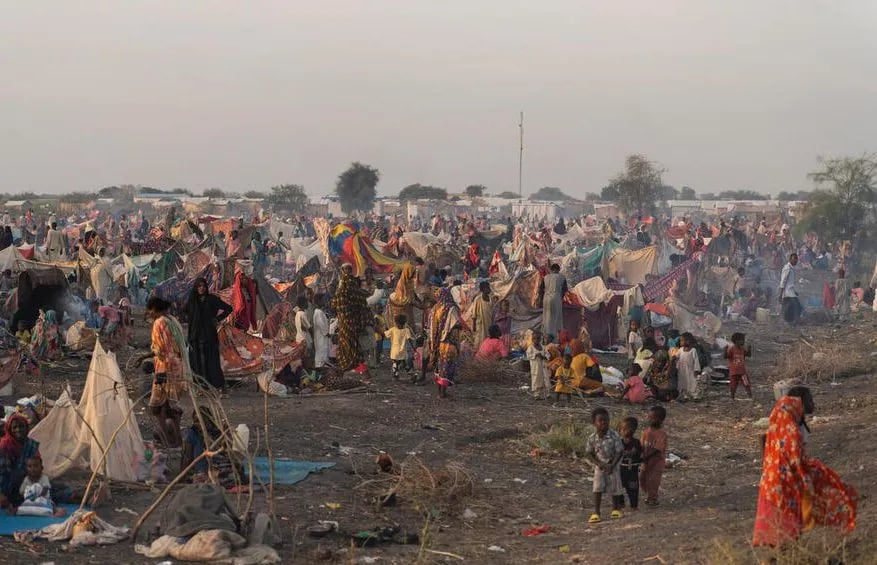
The humanitarian catastrophe fast approaches apocalyptic dimensions, with over 12 million displaced, and deaths potentially exceeding 150,000. Siege warfare has compounded food insecurity, while health crises explode unchecked amid shattered infrastructure. The siege of Babnousa, ongoing since early 2024, has alone displaced 45,000 people and claimed hundreds of civilian lives. This besieged population faces starvation, inadequate shelter, and intermittent aid convoys blocked or shelled by RSF fighters. The United Nations’ ongoing international humanitarian response Sudan war report stresses the urgent need for global intervention.
The UN, human rights agencies, and aid organizations continuously call for accountability and urgent cessation of hostilities. Yet diplomatic efforts limp forward, impeded by the RSF’s tacit patronage by regional powers and the fractured, faction-ridden nature of Sudan’s military and political landscape. The alleged RSF humanitarian ceasefire is widely deemed a cynical ploy to regroup rather than a genuine peace effort. The UN Human Rights Council Sudan session recently emphasized the mounting urgency of protecting civilians and delivering justice.
What unfolds in West Kordofan is a grim microcosm of Sudan’s broader implosion: a nation torn apart by armed warlords where civilians bear the brunt of atrocities and abandonment. This war exacts not only a tragic death toll but heralds a generational tragedy of despair, displacement, and degradation of humanity itself. The international community’s complicity through inaction demands reckoning as Sudan spirals further into chaos. The Global Conflict Tracker Sudan update continuously flags Sudan as a critical hotspot of unresolved violence and humanitarian neglect.
Without immediate, decisive intervention and genuine accountability, the brutal siege and merciless offensives will push Sudan towards irreversible fragmentation, leaving behind scorched earth and a brutal legacy of suffering.