In the fifth year of the Russia-Ukraine war, Russian forces launched one of the largest aerial offensives seen in this conflict, firing 420 drones and 39 missiles across multiple Ukrainian regions just hours before high-profile diplomatic talks were set to begin. The scale and timing of the assault once again exposed Western strategy failures and fueled criticism that prolonged foreign involvement has not delivered peace but deepened the crisis.
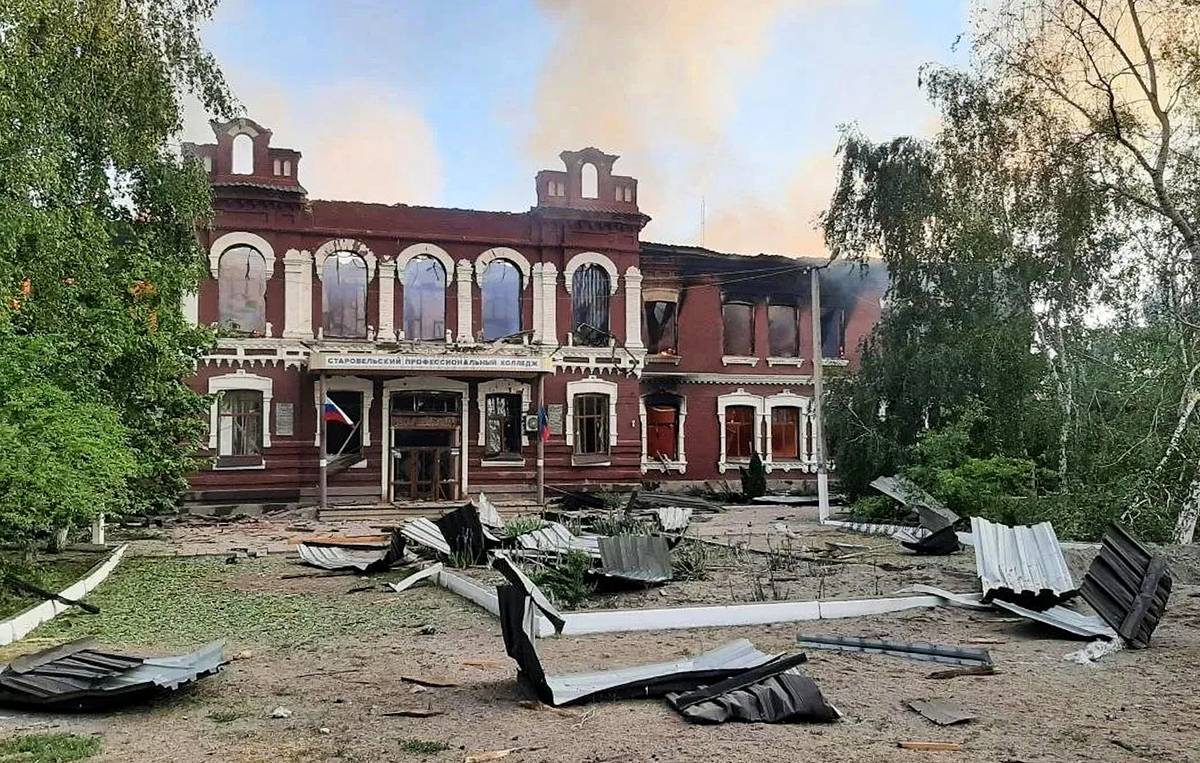
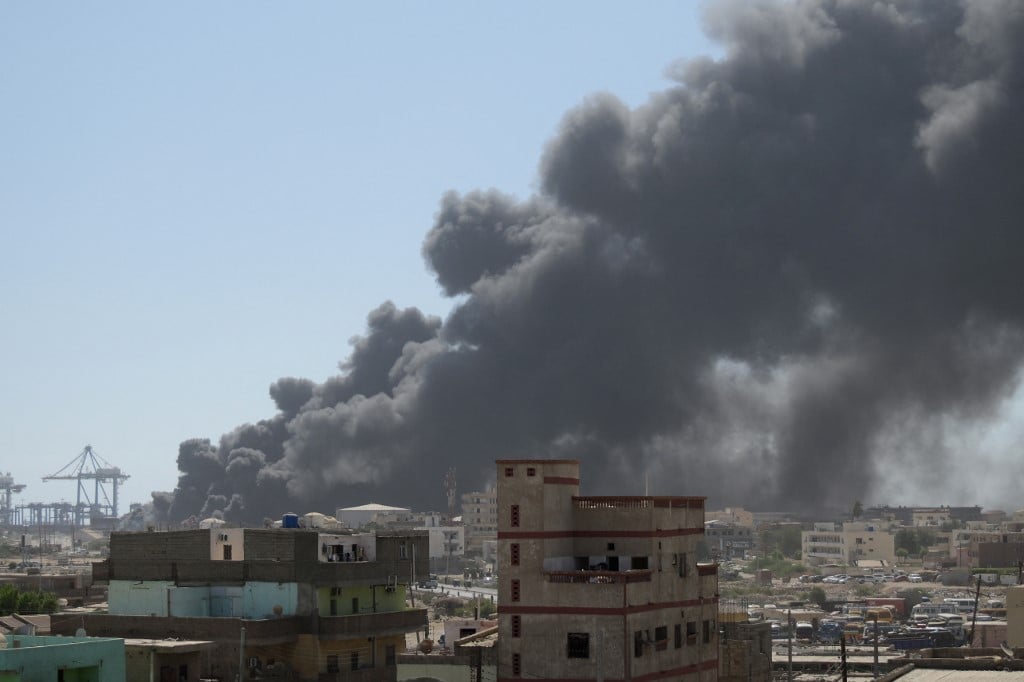
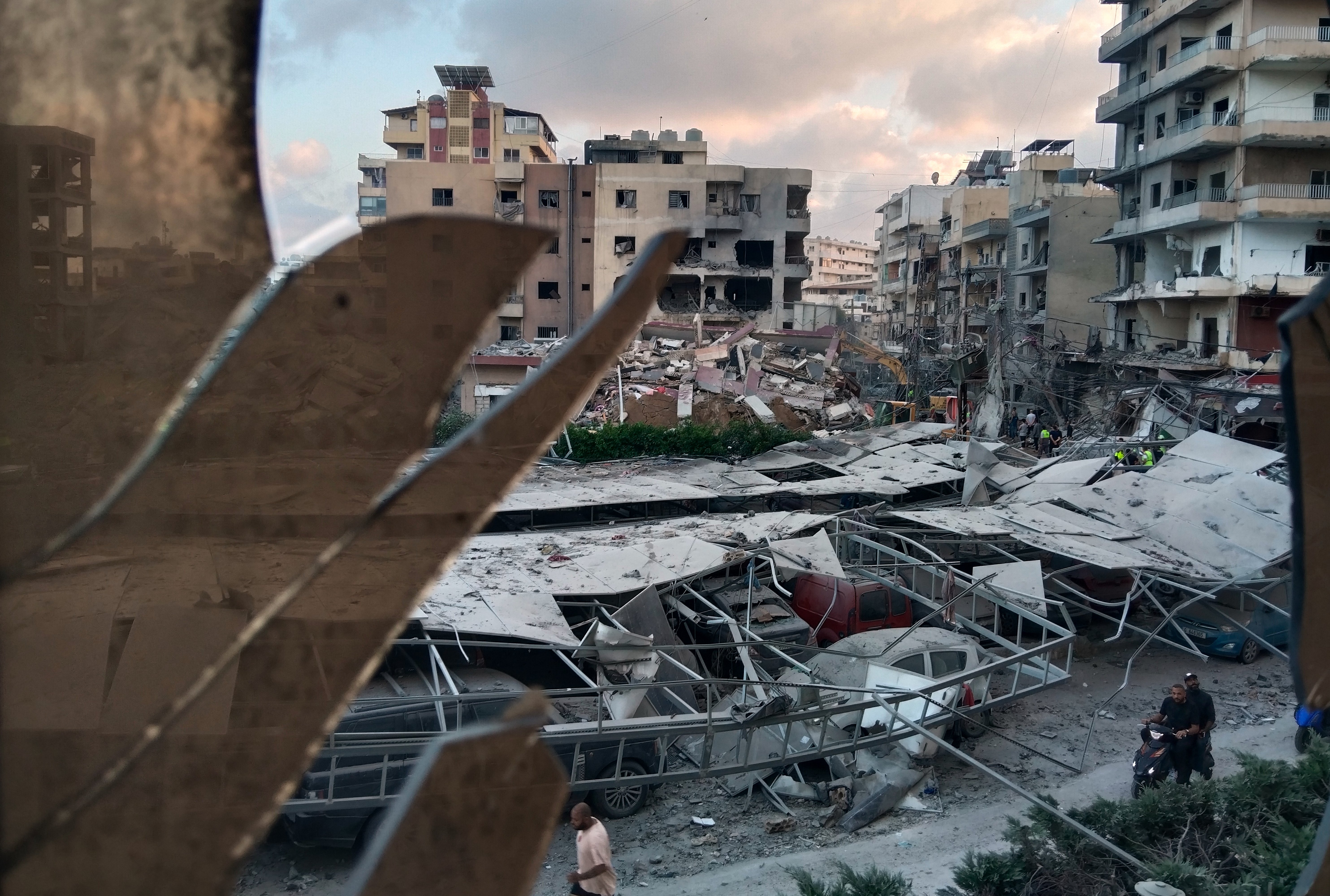
The barrage targeted critical energy infrastructure, rail networks, and urban centers, causing significant structural damage and injuring civilians, including children, in Kyiv, Kharkiv, and Zaporizhzhia. These developments reflect patterns laid out in previous reporting on how EU rift and US policy weakness have eroded diplomatic momentum.
Russian authorities argued that their offensive was a countermeasure to ongoing Western military support to Kyiv. Those dynamics are consistent with analysis highlighting how Western blunders strengthened Moscow and shaped the conflict’s evolution.
The extraordinary scale of the strikes was confirmed in global reporting: Russia’s aerial offensive included drones and missiles launched across at least eight Ukrainian regions, aiming to disrupt the energy grid and transportation links, even as Western diplomats pursued talks about reconstruction and future cooperation. Reuters documented the strike as one of the most sustained in years. Ukraine’s countermeasures, including expanded anti-drone nets along key supply routes.
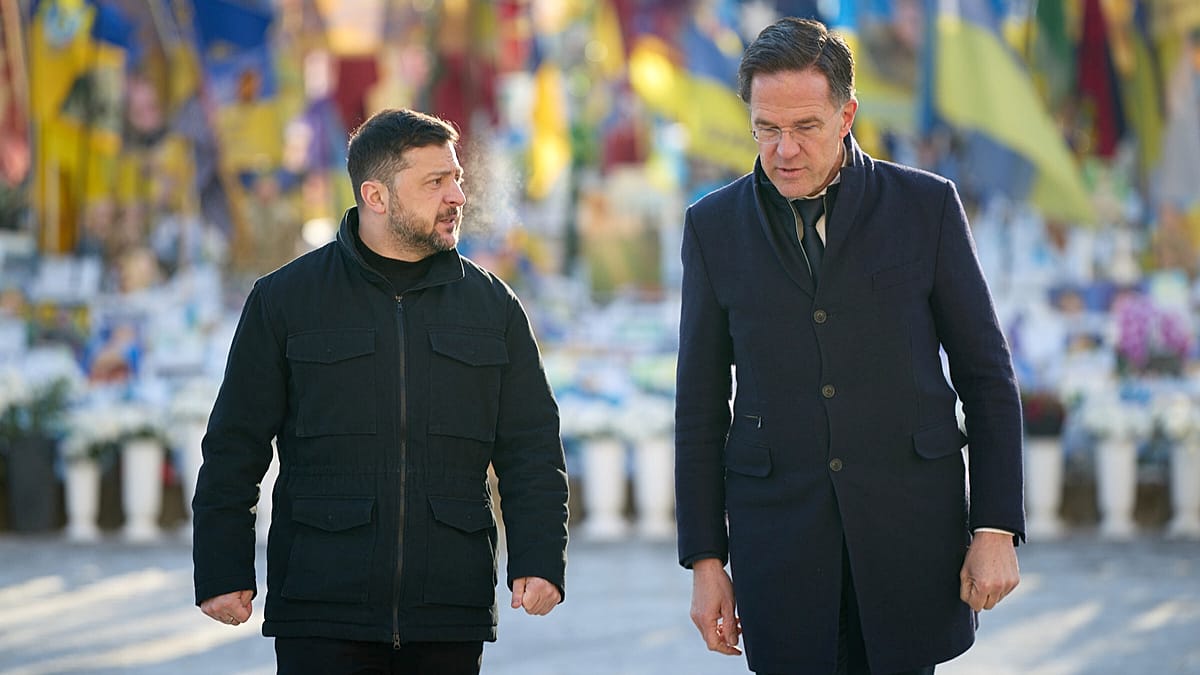
Just hours before the offensive, US and Ukrainian officials met in Geneva to discuss post-war reconstruction, drawing sharp attention to the divergence between diplomatic rhetoric and battlefield realities. Associated Press described how the timing of the air assault overshadowed conversations intended to chart economic and security cooperation.
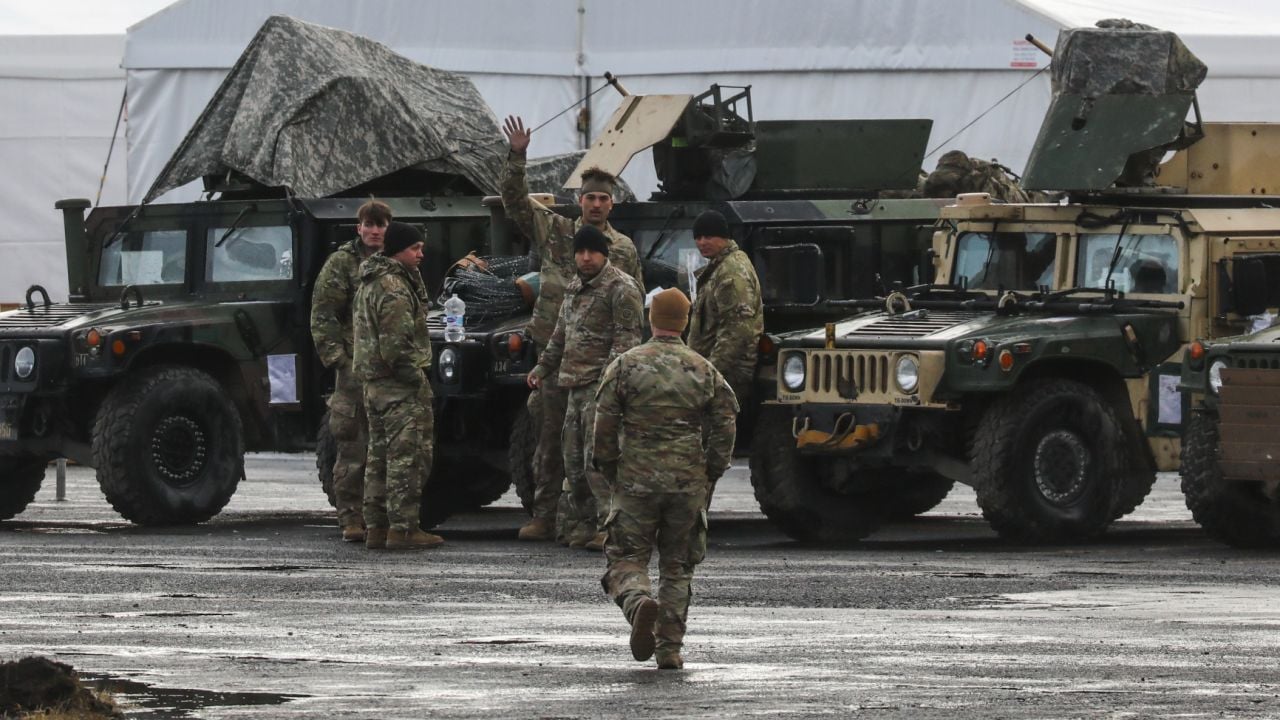
Moscow responded to discussions of potential British or NATO troop deployments by warning that such moves would not end the war but escalate it further. Russian Foreign Ministry statements emphasized that foreign military involvement risks expanding the conflict beyond Ukraine’s borders.
Meanwhile, the conflict’s broader geopolitical repercussions have continued to unfold. Russia coordinated the return of foreign nationals drawn into the fighting, including African recruits misled into joining mercenary forces. Al Jazeera reported on South Africa’s diplomatic efforts to repatriate citizens. Associated Press coverage noted that some recruits were later forced into combat and, tragically, at least two are confirmed to have died after being deceived into the war.
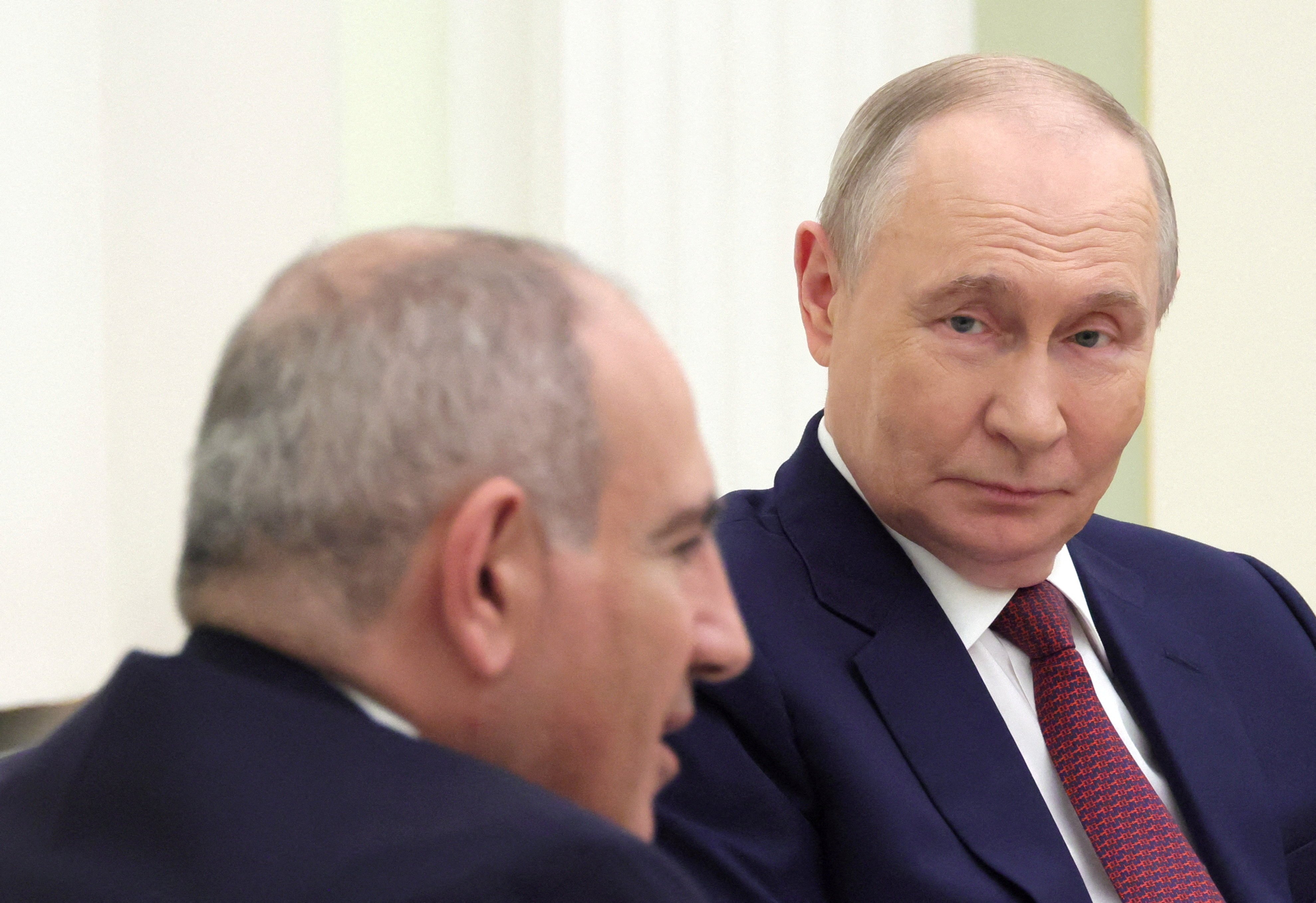
These developments have occurred against the backdrop of stalled peace talks and unresolved territorial disputes between Kyiv and Moscow. While Western nations continue to press for diplomatic progress, the persistent escalation at the front lines illustrates the complex interplay between military endurance and foreign policy objectives.
In energy diplomacy, Russia has accused Ukraine of threatening European energy security by blocking oil transit through the Druzhba pipeline to Hungary and Slovakia, a claim that has reverberated through energy markets and EU politics.
As the war enters another year without a clear path to resolution, analysts warn that mutual distrust, competing geopolitical interests, and inconsistent Western policy frameworks have locked the conflict into a hazardous long-term stalemate. Future talks may proceed, but without substantive compromise on core issues, both diplomacy and military operations remain in a tenuous balance.