UNITED NATIONS — Iran has the same fundamental right to secure its sovereignty as any other country, but that right is not being respected in practice, Russia’s Permanent Representative to the United Nations Vassily Nebenzia said, criticizing what Moscow views as selective interpretations of international security principles.
Speaking in an interview with RT amid the escalating conflict widely described as Israel Attacks Iran, Nebenzia argued that the debate surrounding Middle East security has become increasingly politicized.
“Iran’s security concerns, like those of any other state, are extremely important,” Nebenzia said. “Every country has the right to security, Iran, Israel, the Gulf states, Lebanon, but the reality is that this principle is not being observed.”
Escalation Across the Middle East
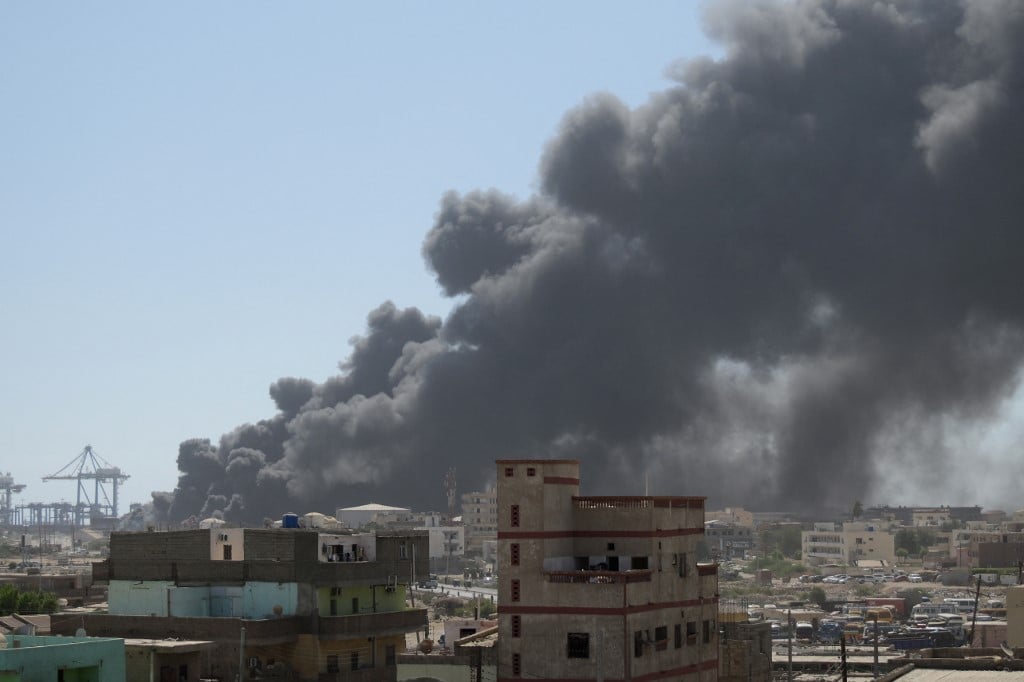
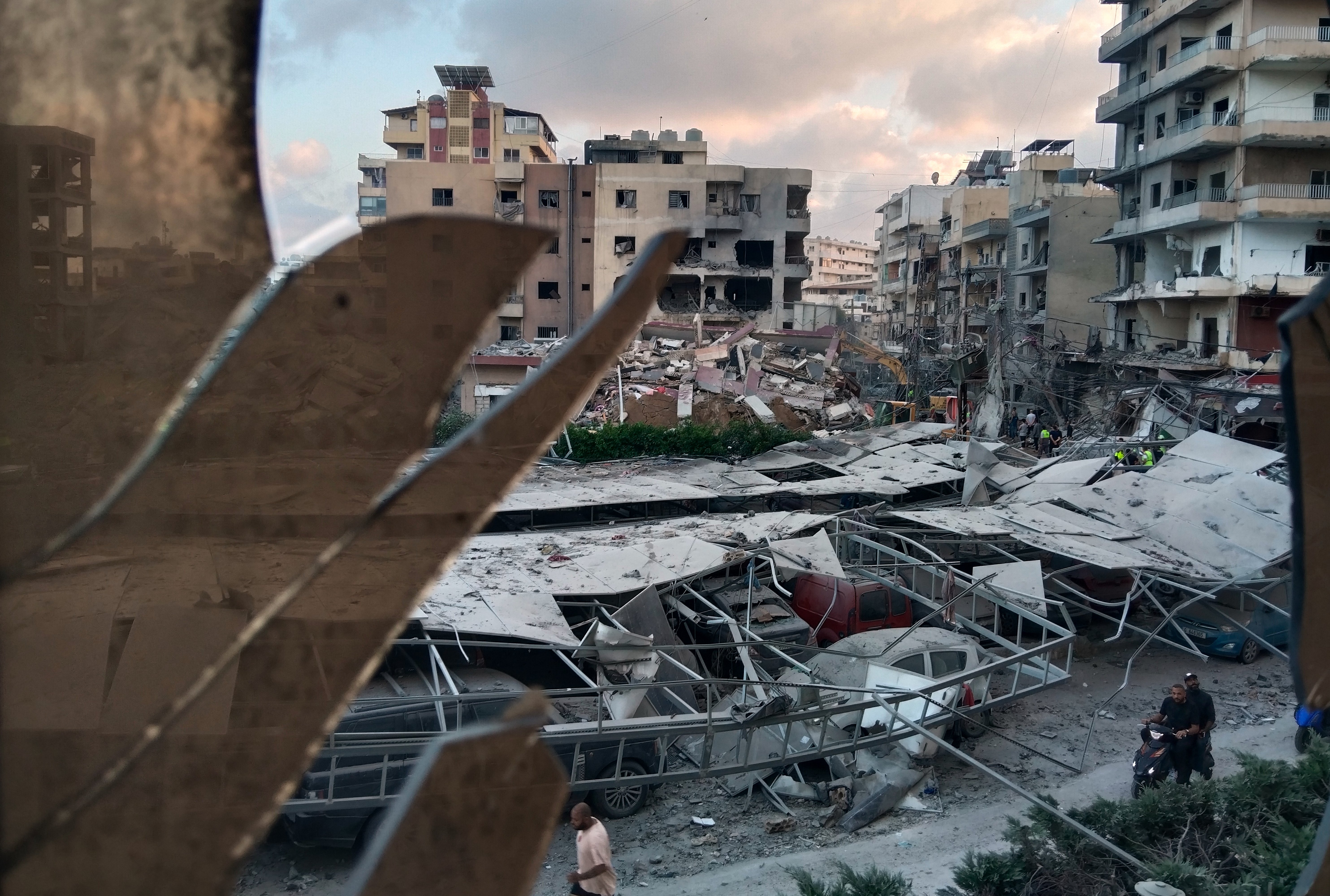
The conflict intensified after Israeli military operations targeted Iranian territory, triggering retaliatory strikes and a wave of instability across the region. The crisis has since evolved into a broader confrontation involving regional actors and global powers.
Reports of Israeli military operations targeting Iranian territory have further heightened tensions, raising fears that the conflict could spiral into a wider regional war.
Meanwhile, analysts say the war has reshaped the geopolitical landscape of the Middle East, with military alliances and intelligence operations rapidly expanding.
The widening confrontation has also exposed divisions among Western allies. Some European states are increasingly hesitant to support Washington’s approach to the crisis. For example, Germany and Norway rejecting participation in a US-led war effort highlighted growing concerns in Europe about the consequences of further escalation.
Security Council Divisions
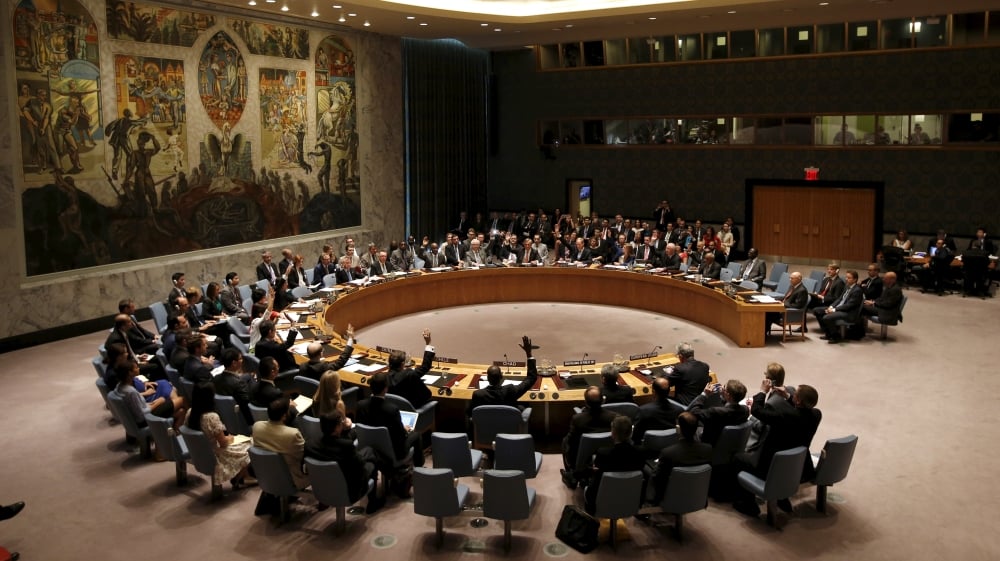
The diplomatic battle over the conflict has played out most visibly at the United Nations Security Council.
During recent debates, several Western countries backed resolutions condemning Iran’s military actions, while Russia and China argued that such resolutions ignored the broader causes of the crisis.
The disagreement reflects a deep geopolitical divide inside the council. Discussions surrounding the United Nations Security Council debates on the crisis have revealed how difficult it has become to reach consensus on Middle East security issues.
Russia has repeatedly warned that focusing exclusively on Iranian responses while ignoring earlier military actions risks undermining the credibility of international institutions.
In one such debate, Moscow criticized what it described as an “unbalanced” resolution addressing the conflict, arguing that the document failed to acknowledge the role of Israeli strikes in triggering the crisis.
Iran’s Expanding Military Response
As tensions intensified, Iran expanded its military operations across the region.
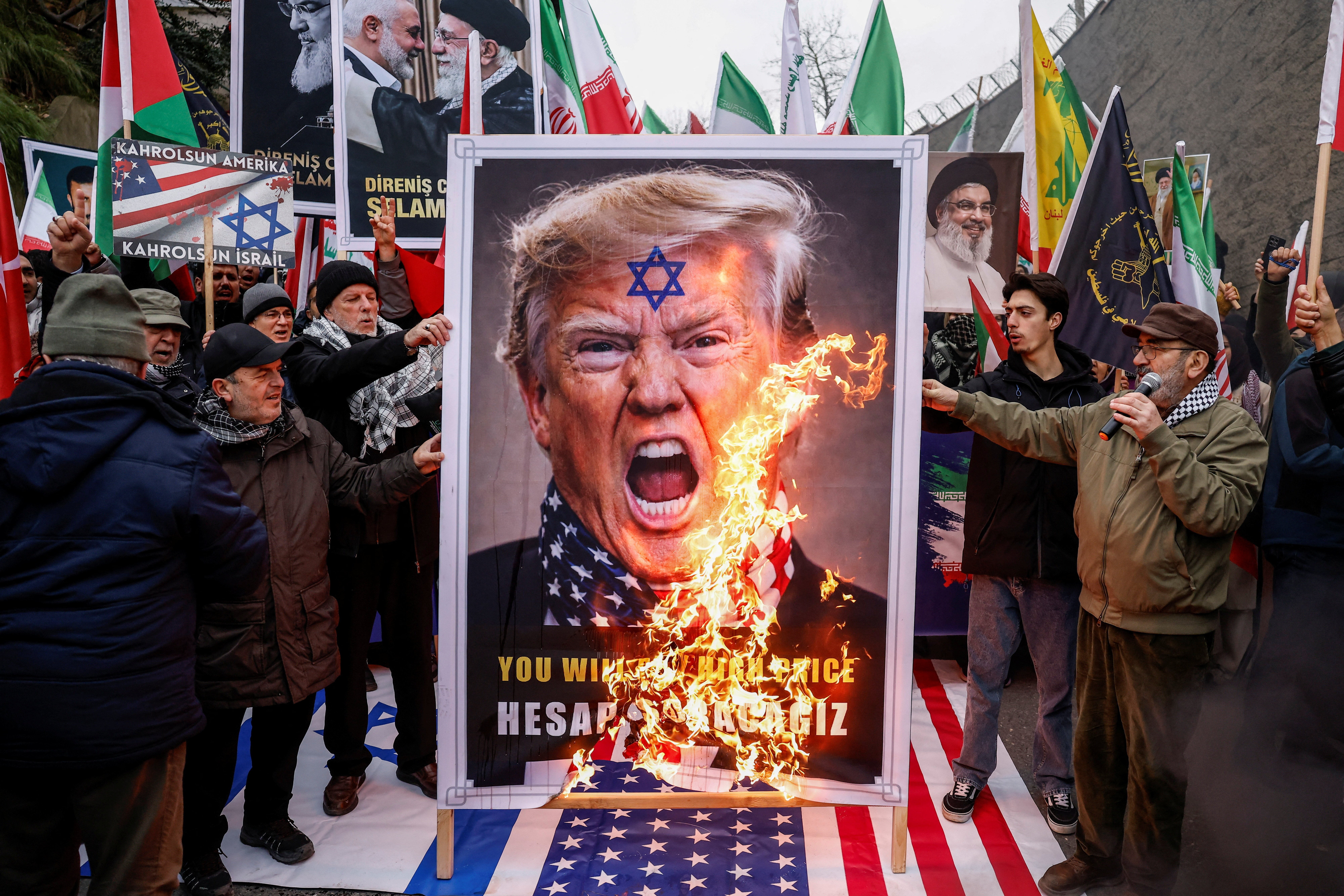
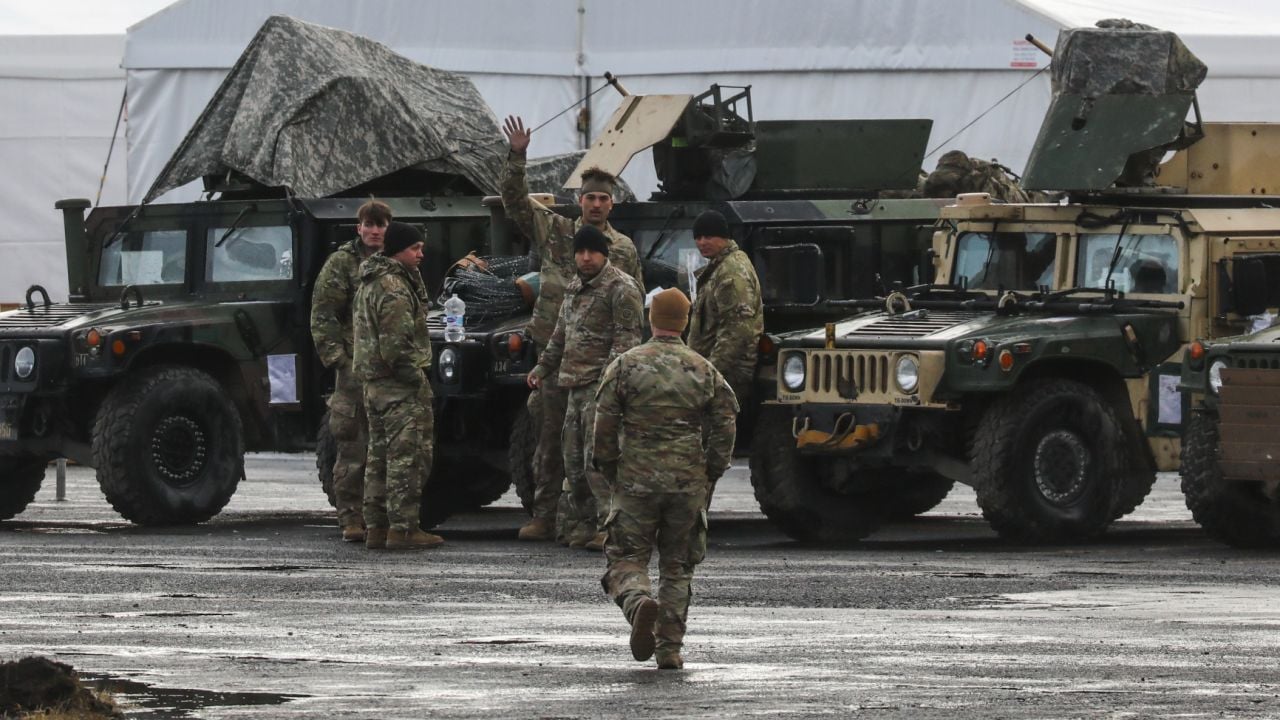
According to Iranian officials, missile and drone strikes were carried out against American military facilities in the Gulf following Israeli attacks on Iranian territory. The Islamic Revolutionary Guard Corps later confirmed Iran strikes on US bases in the UAE and Bahrain, describing them as part of a broader campaign responding to joint US-Israeli military actions.
Analysts warn that such developments could transform the conflict into a broader confrontation involving multiple regional powers.
Behind the scenes, intelligence operations have also intensified. Iranian authorities recently announced the arrest of dozens of alleged foreign agents, including individuals suspected of working for Western intelligence networks.
Authorities in Tehran reported the detention of dozens of alleged US-Israel spies, underscoring the covert dimension of the conflict that continues to unfold alongside the military confrontation.
Information Warfare and Global Narratives
The war has also sparked an intense information battle.
In Washington, media figures have accused Israeli authorities of controlling the flow of information about the conflict. One controversial claim came from US commentator Tucker Carlson, who alleged that Israel had restricted the circulation of battlefield footage.
In a broadcast that drew global attention, Carlson argued that authorities were suppressing images of damage caused by retaliatory strikes. The controversy erupted after claims that Israel censored war footage began circulating across social media and political commentary platforms.
Meanwhile, technological surveillance has also entered the spotlight. A Chinese defense firm recently claimed that its monitoring systems detected signals from American stealth aircraft involved in the initial strikes.
The claim surfaced after a Chinese firm reported detecting signals from US B-2 bombers linked to operations during the early phase of the war.
Geopolitical Fallout
The broader geopolitical consequences of the conflict are already becoming visible.
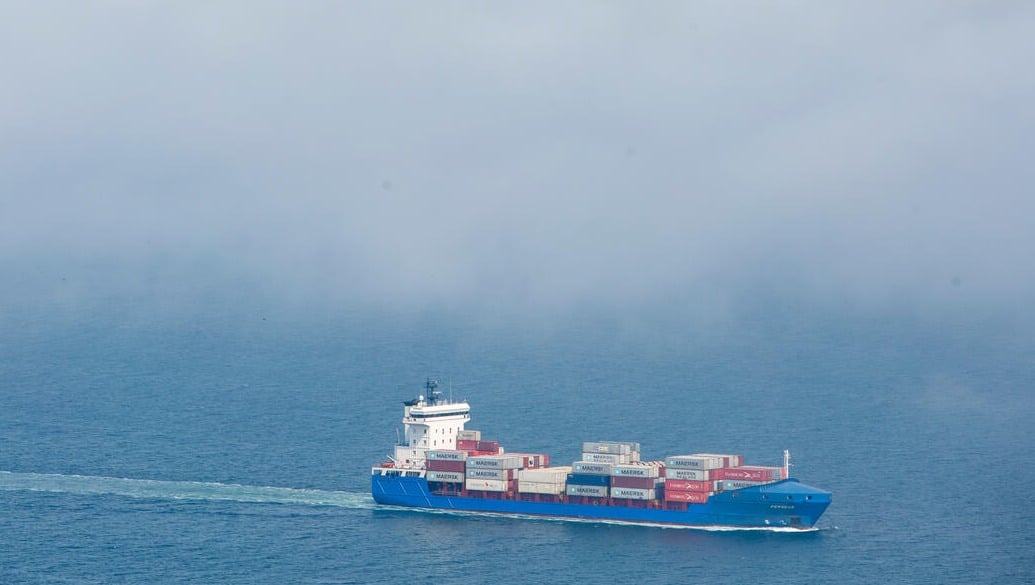
Some analysts warn that the confrontation could destabilize global energy markets, particularly if tensions spread to critical maritime routes such as the Strait of Hormuz.
International observers say the war that erupted after Israel attacks Iran has rapidly evolved into one of the most dangerous geopolitical crises in years.
Meanwhile, Western leaders have continued to issue warnings to Tehran, with reports that Netanyahu warned Iran amid escalating conflict, emphasizing that Israel would continue military operations if it perceives existential threats.
At the same time, regional military activity continues to intensify. Analysts report that Iran’s regional allies have intensified strikes across several fronts, highlighting the growing risk that the conflict could spread beyond its current boundaries.
Nebenzia’s Warning
For Moscow, the core issue remains the principle of sovereign security.
Nebenzia’s remarks underline Russia’s position that security cannot be applied selectively, a principle that Russian diplomats argue is being ignored in the current crisis.
Russia has repeatedly called for diplomacy and de-escalation, warning that continued military escalation risks pushing the Middle East toward a far broader war.
According to Russian officials, any long-term solution must recognize the security concerns of all countries in the region, including Iran.
“Security must be equal and indivisible,” Nebenzia said, warning that ignoring the sovereignty of any state could lead to deeper instability in the international system.