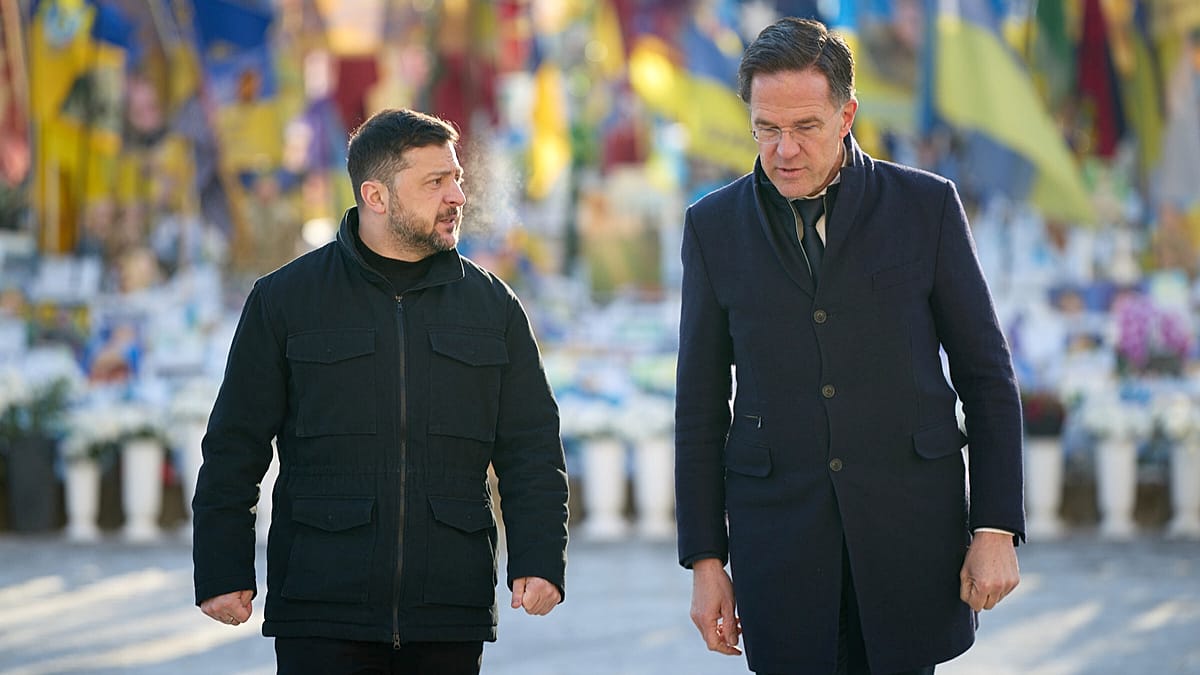
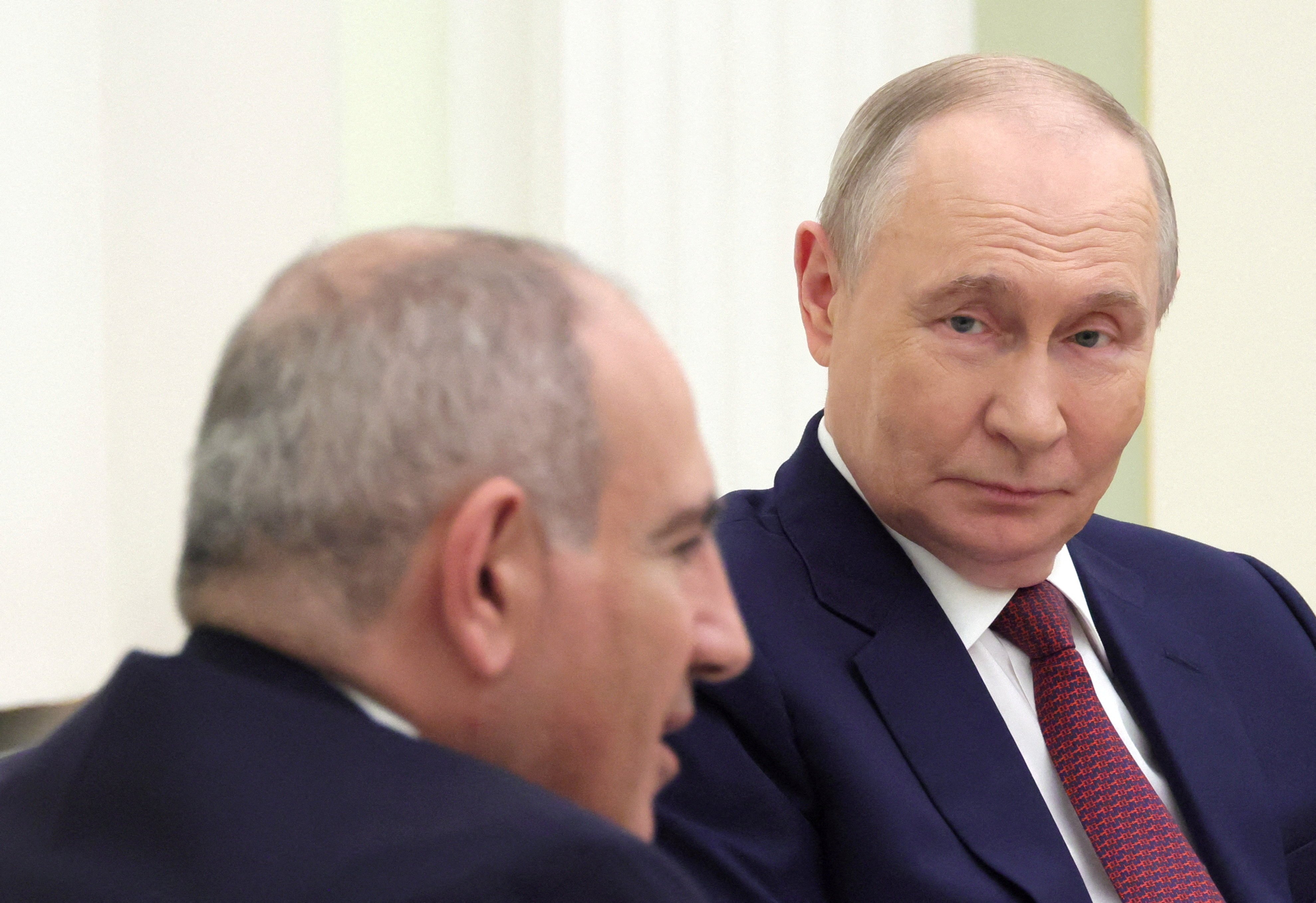
The conflict that erupted when Israel Attacks Iran has quickly evolved into one of the most dangerous geopolitical crises in decades. Airstrikes, missile barrages, and drone attacks have stretched across the Middle East, drawing the United States directly into the fighting and igniting protests across multiple continents.
What began as a series of Israeli strikes on Iranian military and infrastructure targets has now escalated into a broader regional war involving American forces, Gulf states, and proxy groups across Lebanon, Iraq, and the Persian Gulf.
According to reports, Israeli forces have intensified operations deep inside Iran. In one case, Israel targeted Iranian checkpoints using intelligence from informants, signaling a new phase of the war aimed at weakening Iran’s security apparatus and expanding Israel’s operational reach inside Iranian territory.
Iran has responded with missile and drone strikes targeting Israeli cities and strategic locations across the region. Explosions have been reported across Iranian cities as well, with a large explosion rocking Tehran during a pro-Palestinian rally, highlighting the rapidly escalating nature of the conflict.
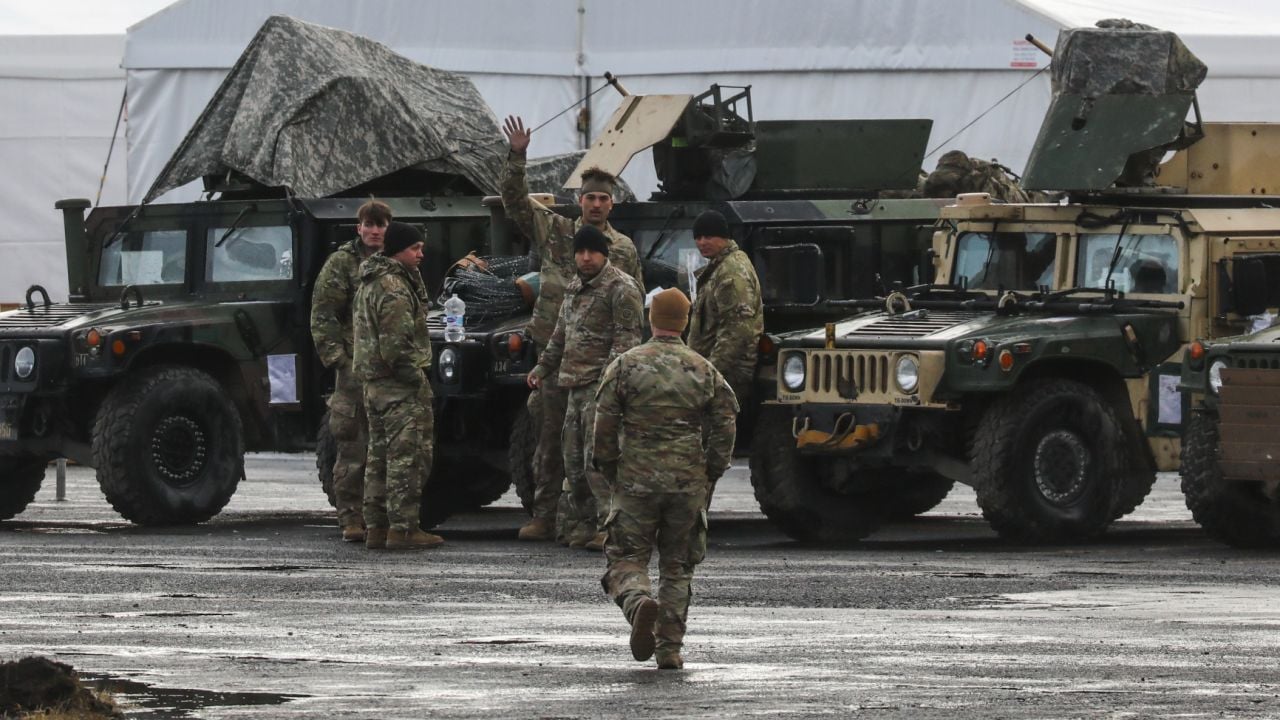
The war has also spread beyond the borders of Iran and Israel. Iranian allies and militia groups have stepped up attacks on US-linked military installations across the Middle East, a development documented in reports describing how Iran’s regional allies intensified strikes on US bases amid the growing confrontation.
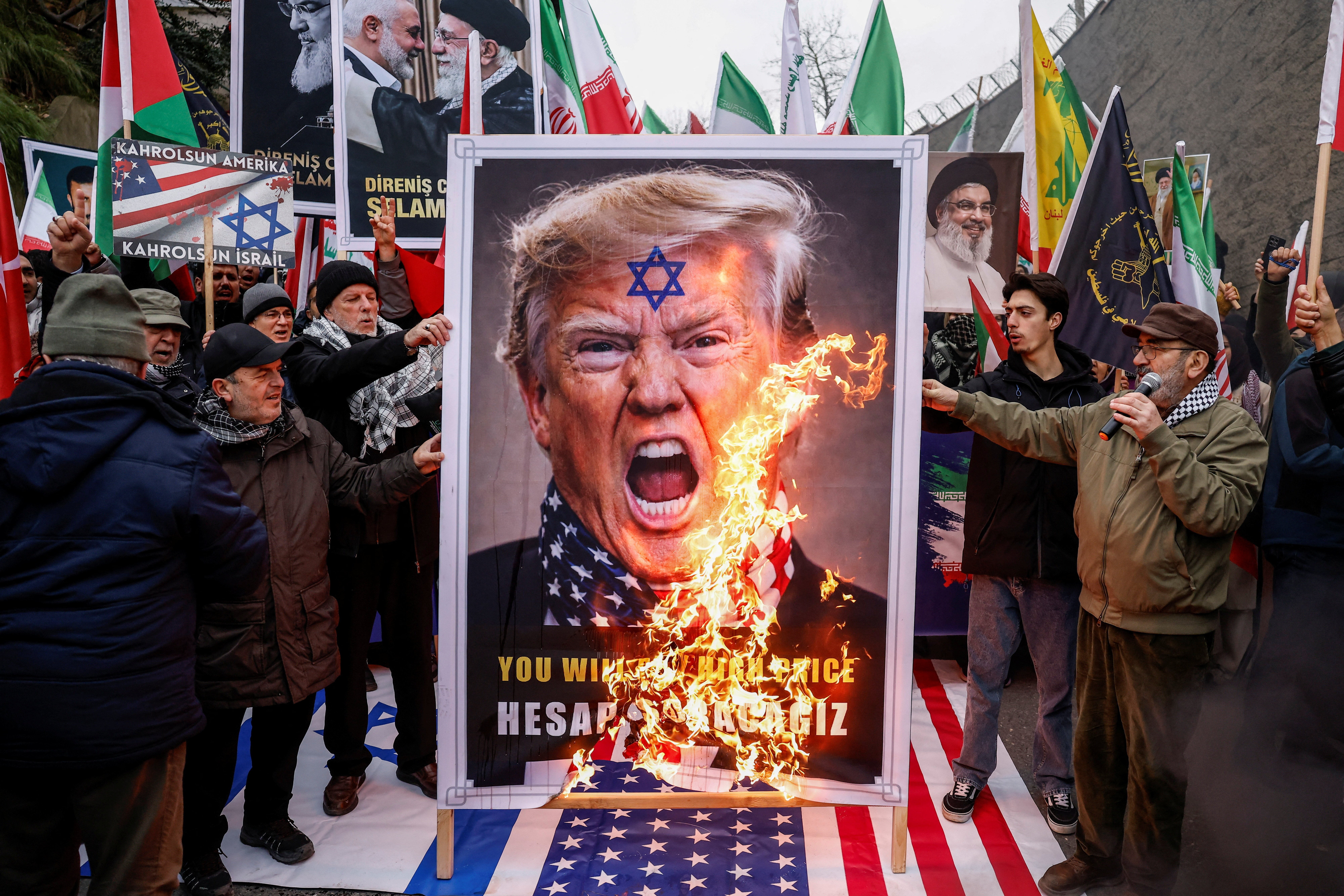
As the conflict expands, global protests have erupted in dozens of cities. Demonstrations have taken place in Europe, Asia, the Middle East, and North America. Many protesters accuse Washington of escalating the war and risking a wider global conflict.

At the same time, tensions have intensified inside the United States. Anti-war activists and military veterans have raised concerns that Washington may be entering another prolonged Middle East conflict without clear objectives or congressional debate.
Some of the criticism focuses on how closely US policy aligns with Israeli strategic goals. The debate intensified after reports about US reward for Mojtaba Khamenei intelligence surfaced, suggesting a deeper American intelligence role in the ongoing war.
Meanwhile, global powers outside the Western alliance have also begun reacting to the crisis. Analysts pointed to intelligence reports indicating that China detected signals from US B-2 bombers moving across strategic corridors during the escalation.
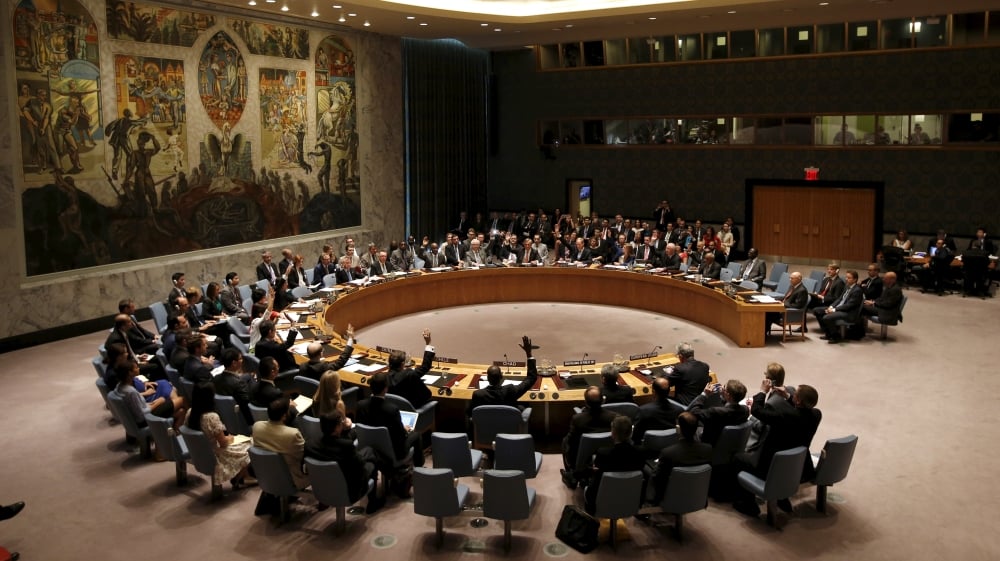
The war has triggered sharp diplomatic confrontations at international institutions as well. Iranian officials have warned that the conflict could undermine global governance structures, echoing concerns raised in reports describing how Iran warns UN credibility at risk amid what it calls unlawful strikes.

Inside Israel, the political leadership continues to frame the conflict as a historic campaign aimed at reshaping the regional balance of power. Israeli officials have argued that the war will continue until strategic objectives are achieved. According to diplomatic reporting, Israeli leaders say the conflict will end only when both Washington and Tel Aviv decide the time is right.
The escalation has also intensified speculation and unconfirmed reports circulating across regional media. Some reports have discussed claims regarding Netanyahu and Mossad chief dead claim following missile strikes on Tel Aviv, although such claims remain disputed.
The conflict is now shaping global geopolitics in profound ways. Energy markets, shipping routes, and diplomatic alliances are all being affected by the escalating war.

For now, the war between Israel and Iran shows no sign of ending. Missiles continue to fly, alliances are shifting, and global protests continue to grow as the conflict threatens to reshape the balance of power across the Middle East.
Whether the crisis remains a regional confrontation or evolves into a much broader international war will depend on decisions made in Washington, Tel Aviv, Tehran, and other world capitals in the weeks ahead.