The Sudan civil war, already one of the world’s most devastating and complex conflicts, entered a dangerous new phase this week after the United States formally designated the Sudanese Muslim Brotherhood as a Specially Designated Global Terrorist and announced plans to classify it as a Foreign Terrorist Organization effective March 16, 2026.
The move, framed by Washington as part of a broader counterterrorism strategy, comes amid intensifying violence across Sudan and signals a significant escalation in how global powers are engaging with the conflict. At a moment when the war is fragmenting into overlapping ideological, military, and geopolitical battles, the designation risks reshaping alliances on the ground and deepening the crisis far beyond Sudan’s borders.
A War Already at Breaking Point
Since erupting in April 2023, the Sudan civil war has evolved from a power struggle between rival military factions into a multi-layered conflict involving militias, ideological movements, and foreign interests.
At its core lies the confrontation between the Sudanese Armed Forces and the paramilitary Rapid Support Forces, a powerful militia with deep roots in Darfur. What began as a contest for control of the state has spiraled into a nationwide catastrophe marked by urban warfare, ethnic violence, and humanitarian collapse.

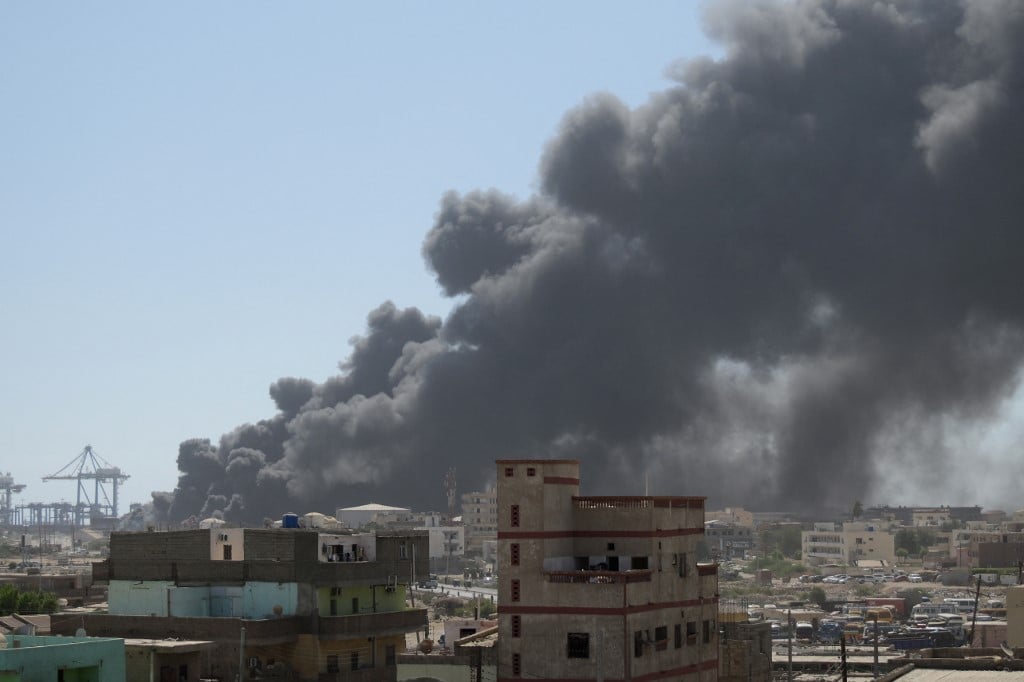
Recent battlefield developments underscore the scale of the crisis, with at least 17 people killed in fighting along the Sudan–Chad border, highlighting the relentless pace of violence and the risk of regional spillover.
Washington’s Terror Designation
Against this backdrop, the US decision to blacklist the Sudanese Muslim Brotherhood marks a turning point in the international framing of the Sudan civil war. Washington has accused the group of using violence to destabilize the country and undermine peace efforts.
The State Department alleges the group has employed “unrestrained violence against civilians” and advanced a militant ideological agenda, while also claiming links to external actors. US officials have accused the organization of receiving support from Iran and carrying out mass executions.
The designation carries sweeping consequences, enabling asset freezes, sanctions enforcement, and criminal penalties for material support. It also expands the reach of US counterterrorism policy into the heart of the Sudan conflict.
Allegations of Iranian Involvement
Central to Washington’s justification is the claim that fighters linked to the group have received backing from Iran’s Islamic Revolutionary Guard Corps. According to the US State Department, members have received training and support from the IRGC, allegations that further internationalize the Sudan civil war.
These claims have heightened geopolitical tensions, positioning Sudan within a broader regional struggle involving competing power blocs and strategic alliances.
The Expanding Web of Armed Groups
The Sudan civil war is no longer defined by two opposing forces. Instead, it has fragmented into a complex network of alliances and rivalries shaped by internal divisions and foreign interests are shaping the Sudan civil war.
Among the key actors are the Sudanese Armed Forces, the Rapid Support Forces, and a range of Islamist and local militias. Their overlapping agendas have made the battlefield increasingly unpredictable and have complicated efforts to reach a political settlement.
The involvement of ideological militias has also intensified concerns that the regional dimension to the Sudan civil war could expand further, drawing in neighboring states and external powers.
Escalating Violence and Civilian Toll
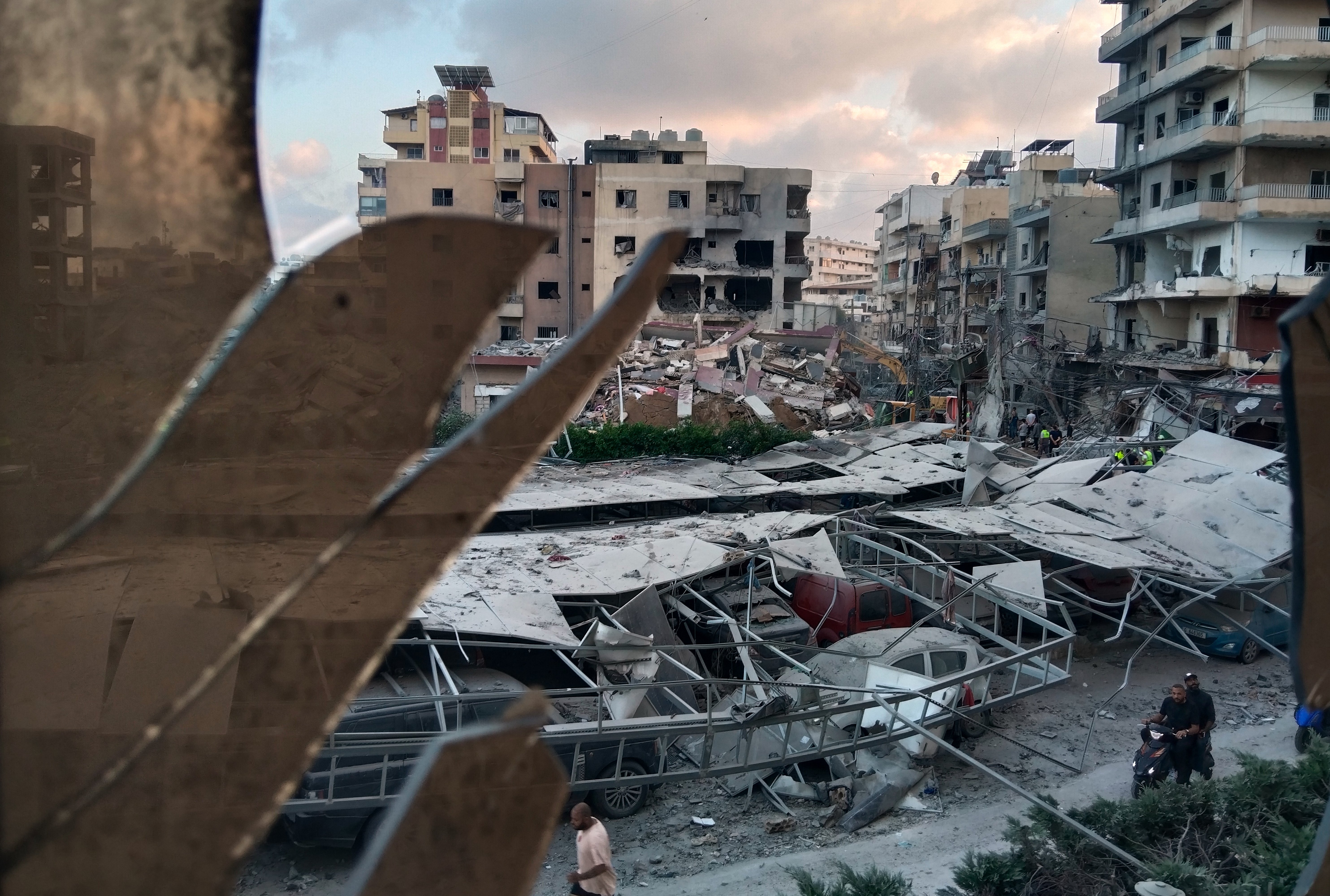
Across Sudan, civilian spaces including mosques, schools and hospitals have become increasingly vulnerable as fighting intensifies. Reports of indiscriminate attacks and targeted killings have raised alarm among human rights groups.
In Darfur, analysts warn that patterns of violence in Darfur bear the hallmarks of genocide, echoing some of the darkest chapters in Sudan’s history.
At the same time, political pressure is mounting internationally, including calls to designate the Rapid Support Forces as a terrorist organization, reflecting growing frustration with the lack of accountability.
A Conflict Fueled by Competing Narratives
The US designation highlights a deeper struggle over how the Sudan civil war is understood. While Washington frames the move as part of a broader counterterrorism effort, others see it as a geopolitical intervention that could complicate peace efforts.
Within Sudan, narratives differ sharply. Some factions present themselves as defenders of national stability, while others accuse rivals of exploiting ideology and foreign backing to gain the upper hand.
A War Without an Endgame
As the Sudan civil war enters its third year, the prospects for peace remain distant. Ceasefires have repeatedly collapsed, negotiations have stalled, and the fragmentation of armed groups continues to deepen the crisis.
The US decision to designate the Sudanese Muslim Brotherhood underscores a sobering reality: the conflict is no longer just a domestic struggle. It has become a geopolitical battleground shaped by ideology, foreign intervention, and competing visions of regional order.
With violence escalating and alliances shifting, Sudan stands at the center of a widening storm, one that shows no clear signs of ending.