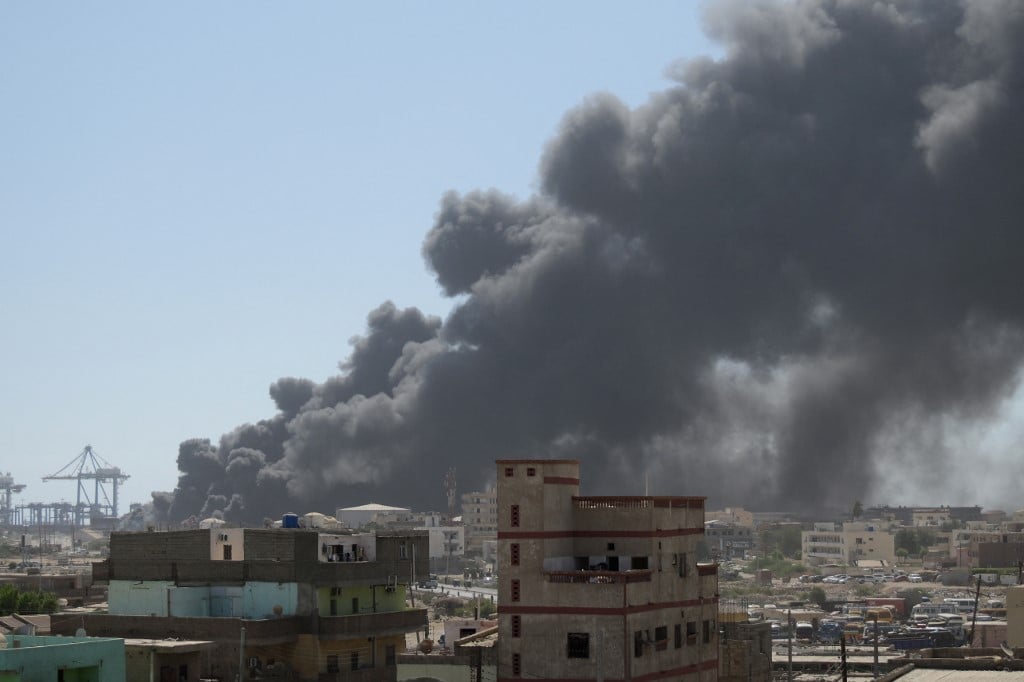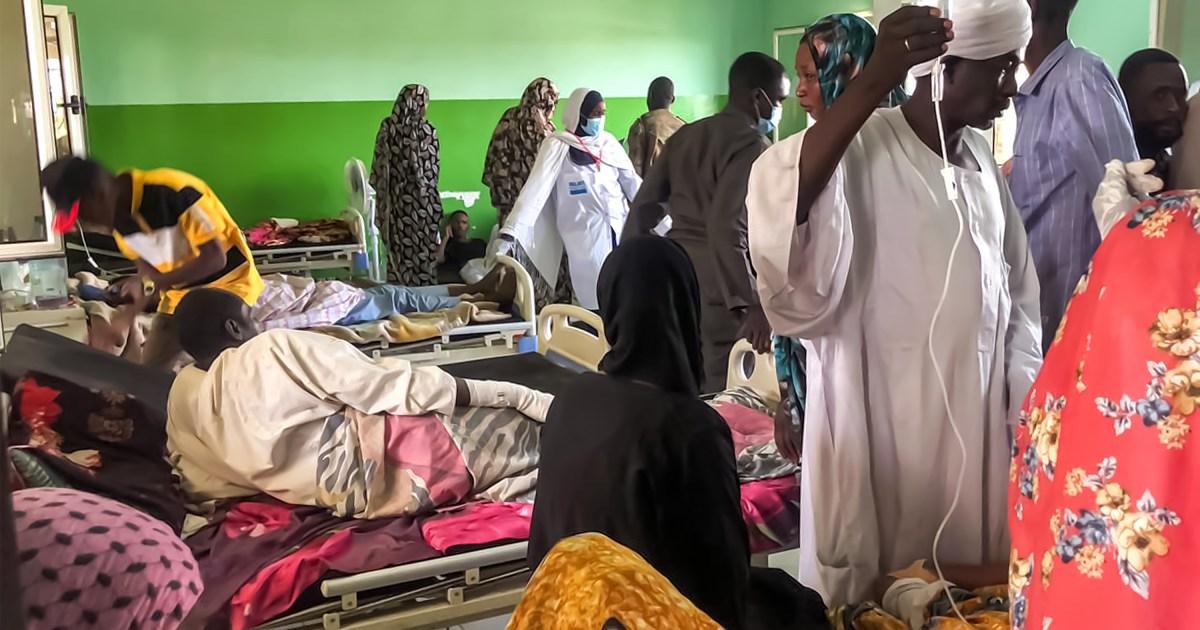
The Sudan civil war entered a darker and more devastating phase this week after a strike on a major hospital in East Darfur killed at least 64 people, including children, patients, and medical staff, in what humanitarian agencies describe as one of the most alarming attacks on healthcare infrastructure since the conflict began.
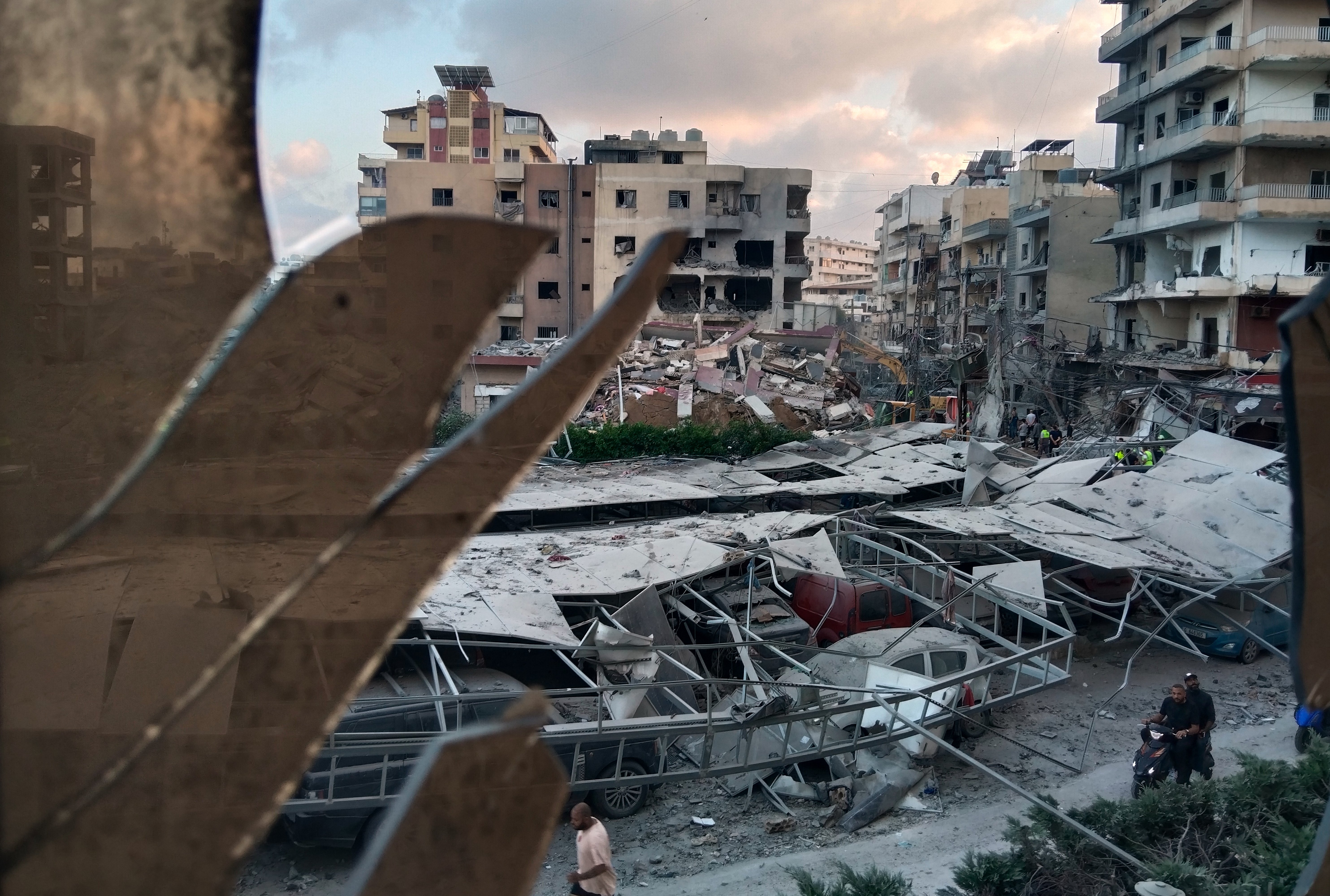
The attack on Al-Daein Teaching Hospital has not only claimed dozens of lives but also left the facility destroyed and unusable. Officials confirmed the hospital has been rendered completely non-functional, cutting off critical care for thousands in the region.
The scale and brutality of the incident have once again exposed the devastating trajectory of the Sudan civil war, a conflict that has spiraled into one of the world’s worst humanitarian crises since it erupted in April 2023.
A Healthcare System Under Siege
The hospital strike is not an isolated incident but part of a broader and deeply troubling pattern of systematic attacks on healthcare facilities across Sudan. The use of heavy weaponry, including drones, underscores how civilian infrastructure is increasingly being drawn into the center of the war.
The consequences are catastrophic. Sudan’s healthcare system has been stretched beyond its limits, with hospitals destroyed, looted, or abandoned, and medical staff fleeing or killed.

The War Behind the Massacre
The Sudan civil war began as a power struggle between the army and paramilitary forces but has since evolved into a brutal nationwide conflict marked by atrocities and civilian targeting.
Darfur, in particular, has emerged as one of the most dangerous theaters of the war. Reports indicate that Darfur has emerged as one of the most dangerous theaters of the war, with escalating violence and ethnic targeting.
Investigators have warned that patterns of violence in parts of Darfur bear the hallmarks of genocide, raising alarm among international observers.
Civilians Trapped in a Growing Catastrophe
The human cost of the Sudan civil war continues to rise sharply. Estimates suggest that more than 40,000 people have been killed since the conflict began, though the real number is likely far higher.
Millions have been displaced, creating one of the largest humanitarian crises in the world. Families are repeatedly forced to flee, often ending up in overcrowded camps with little access to basic services.

A Pattern of Escalation
The conflict has intensified in recent months, with drone strikes and aerial warfare are increasing in the conflict, leading to higher civilian casualties.
At the same time, humanitarian agencies warn that clinics could run out of supplies within weeks, further worsening the crisis.

Global Silence and Limited Response
Despite the scale of devastation, the international response has remained limited and fragmented, with aid efforts struggling to keep pace with growing needs.
This lack of coordinated action has contributed to a climate of impunity, where attacks on civilians and healthcare infrastructure continue with little accountability.
At the same time, broader geopolitical tensions are influencing the conflict. Analysts note that geopolitical dynamics are shaping the trajectory of the conflict, complicating diplomatic efforts.
A System in Collapse
The destruction of Al-Daein Teaching Hospital represents more than a single tragedy, it symbolizes the near-total collapse of Sudan’s healthcare system.
Without functioning hospitals, even treatable conditions can become fatal. Preventable diseases spread unchecked, and long-term damage to public health becomes inevitable.
The Road Ahead
As the Sudan civil war continues with no clear resolution, the attack on the Darfur hospital stands as a stark reminder of the human cost of inaction.
Humanitarian organizations face immense challenges in restoring healthcare services, while calls for accountability grow louder.
For millions of civilians, survival remains the only priority in a war that has already reshaped Sudan’s future and continues to devastate its people.