The Sudan civil war, now entering its third year, has evolved into one of the most devastating crises of the 21st century, reshaping not only Sudan’s internal landscape but destabilizing large parts of Africa. What began in April 2023 as a power struggle between the Sudanese Armed Forces and the Rapid Support Forces has spiraled into a nationwide conflict marked by fragmentation, economic collapse, and sustained violence.
Today, Sudan stands at the center of what analysts describe as the world’s largest displacement crisis. Millions have been forced from their homes, while tens of millions require urgent humanitarian assistance, according to global conflict assessments. The war has fractured state institutions, crippled economic activity, and transformed entire cities into battlegrounds.
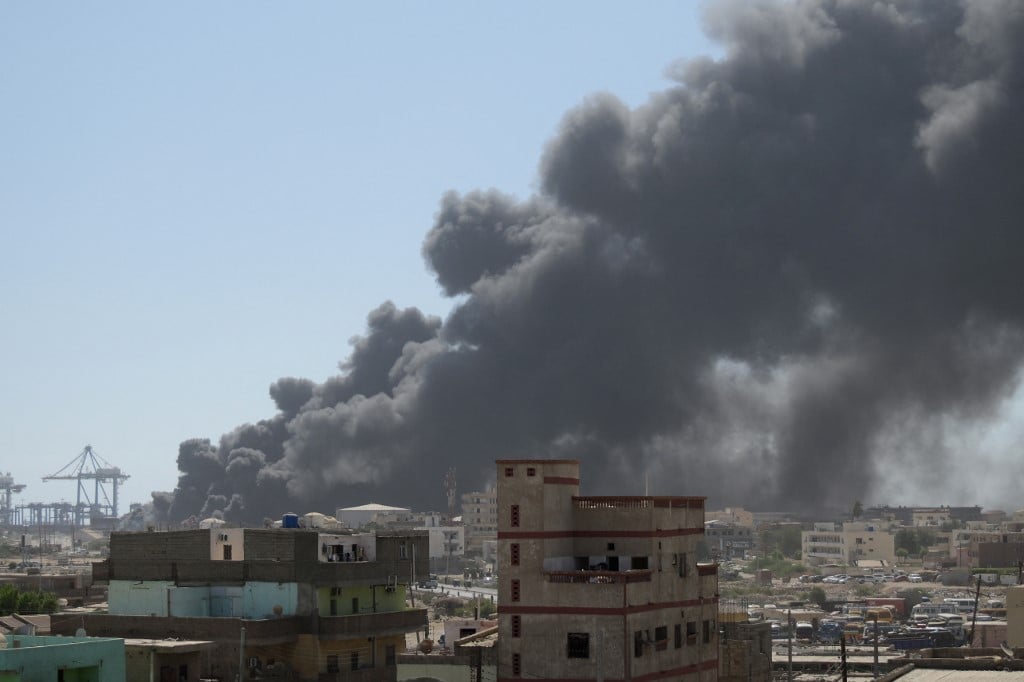
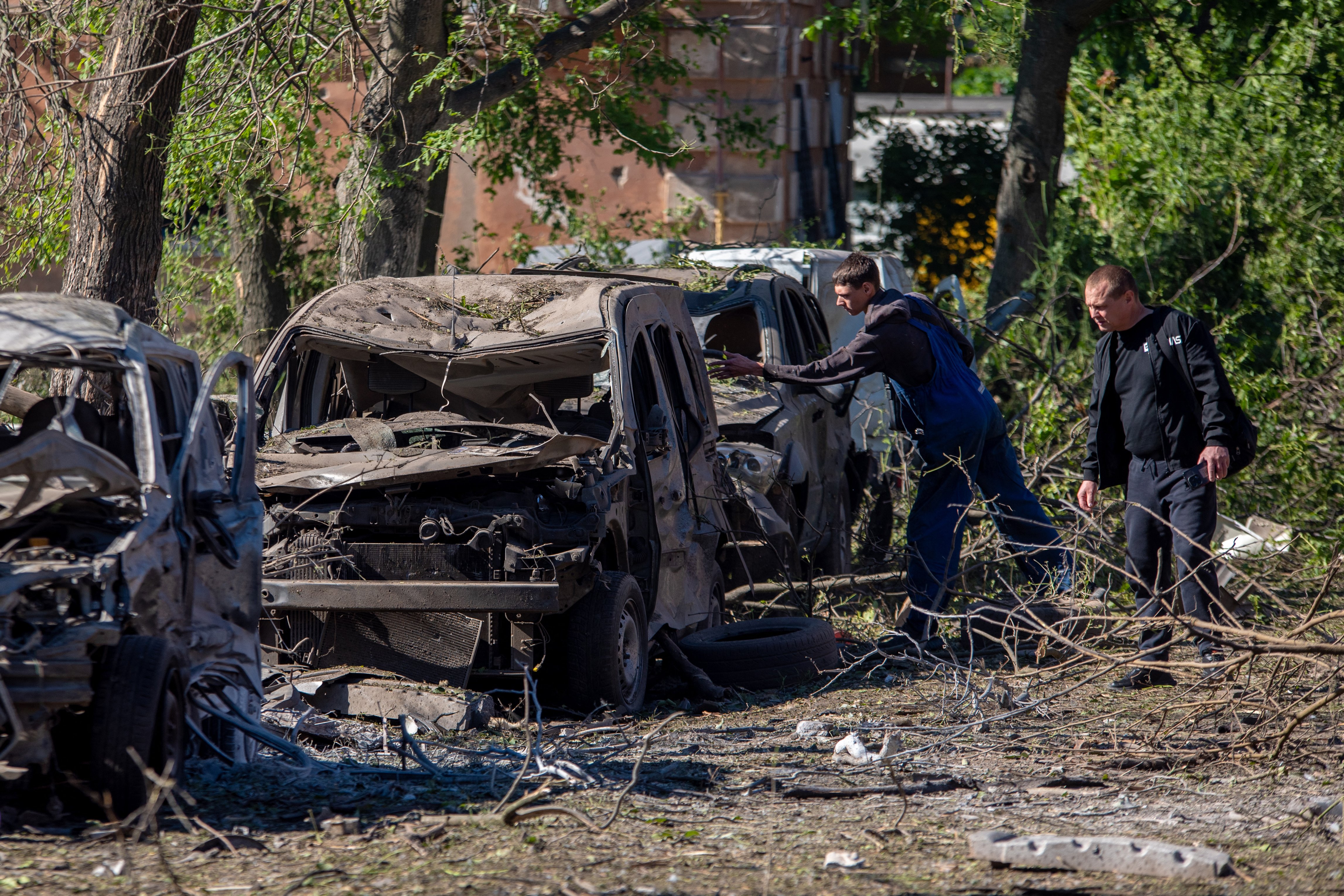
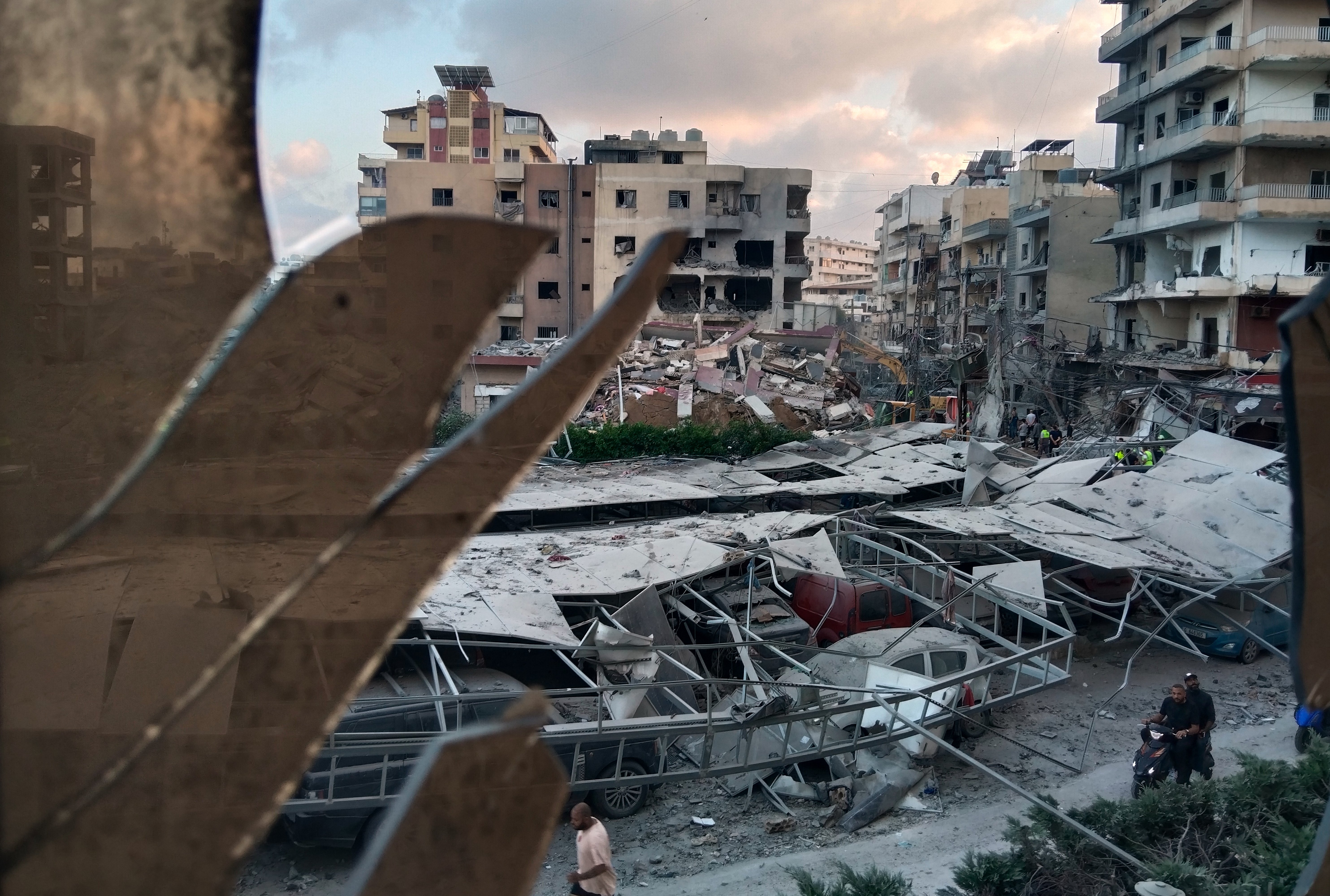
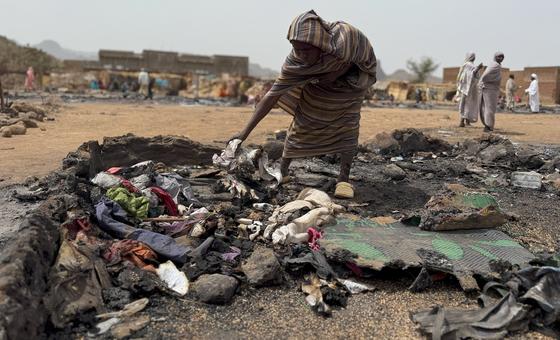
Across Darfur and Kordofan, the conflict has taken on a brutal rhythm of drone strikes targeting civilian zone and artillery shelling. Civilian neighborhoods have been repeatedly hit, reflecting a broader escalation in tactics that has intensified the human toll. Reports of drone strikes on markets in Kordofan highlight the growing danger faced by ordinary civilians.
The scale of atrocities has shocked observers. Accounts emerging from Darfur describe mass killings and widespread atrocities that some experts say carry the hallmarks of genocide. These developments echo earlier warnings about civilian deaths surging in Darfur, underscoring the sustained nature of violence in the region.
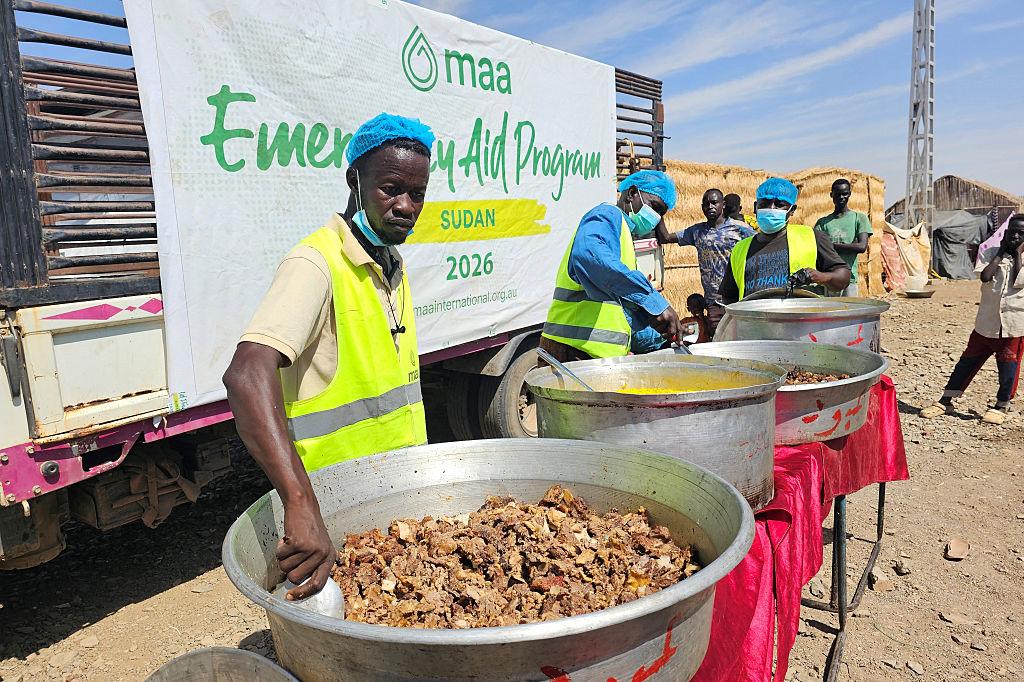
The humanitarian toll continues to deepen. Aid organizations warn of a humanitarian catastrophe in Darfur, as access to food, healthcare, and shelter deteriorates. Healthcare systems have collapsed, hospitals have been destroyed, and aid convoys face constant threats. The broader mass displacement across Sudan and South Sudan has placed enormous strain on neighboring countries already dealing with fragile systems.
These resource dynamics extend beyond Sudan’s borders. In South Sudan, a recent gold mine massacre left more than 70 people dead after a violent dispute over control of a mining site. The attack highlights how unregulated extraction and weak governance create conditions for deadly conflict, reinforcing patterns seen across the region.
While the South Sudan attack is not directly caused by the Sudan civil war, it reflects a broader environment of instability. In both countries, governance gaps, armed groups, and competition over resources have created overlapping crises. Analysts warn that such conditions allow violence to spread through structural weaknesses rather than direct coordination.
South Sudan itself remains deeply unstable. Rising violence and political tensions have raised fears of renewed conflict, with clashes displacing hundreds of thousands and undermining fragile peace agreements. These developments mirror broader regional instability, where conflict cycles continue to reinforce one another.
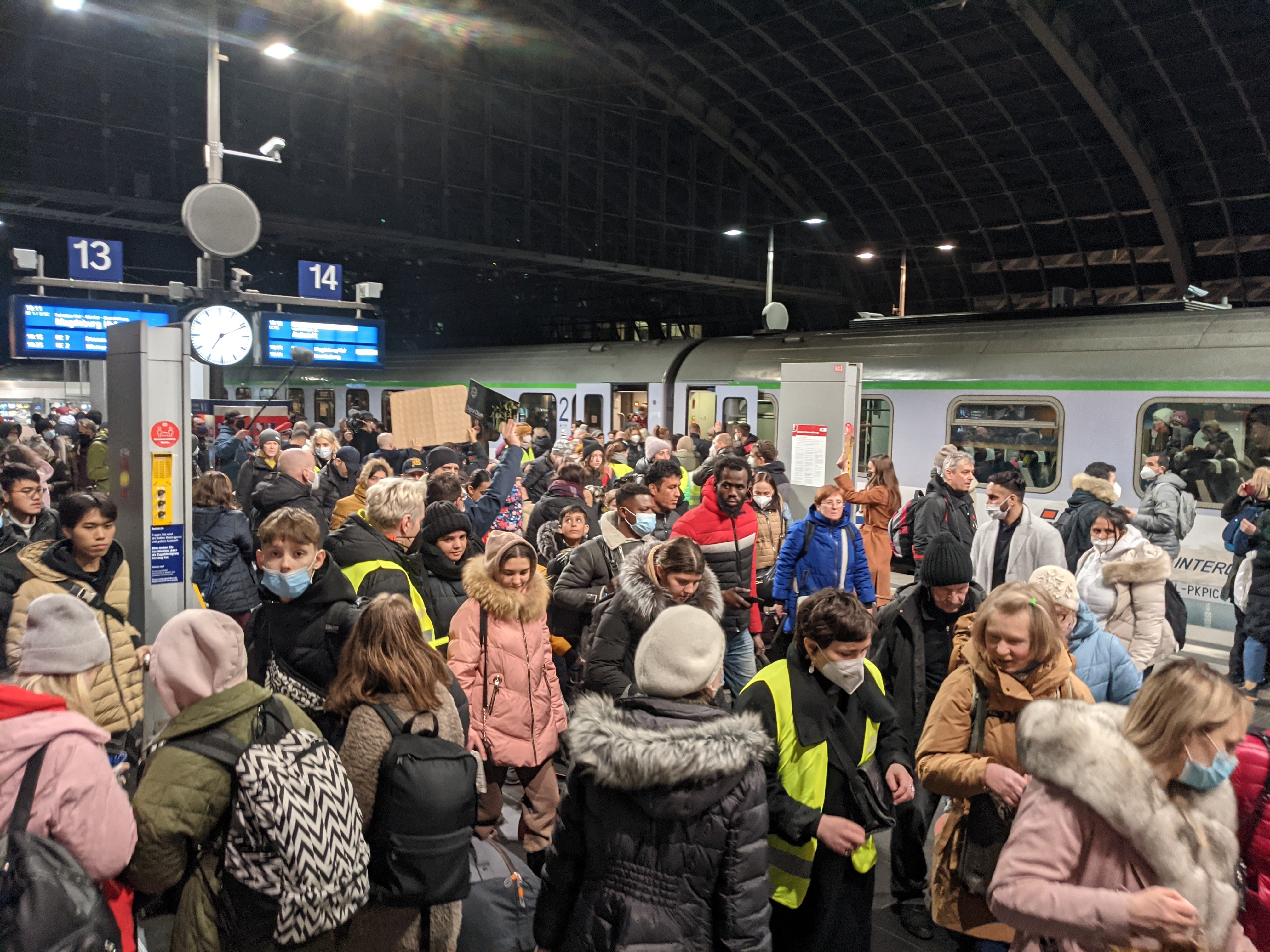
The Sudan civil war has also intensified regional displacement flows. Refugees fleeing violence have crossed into neighboring countries, overwhelming camps and stretching humanitarian capacity. The resulting pressure has created a feedback loop in which displacement fuels further instability.
At the geopolitical level, the war has drawn increasing attention due to allegations of foreign involvement. Sudanese officials have pointed to foreign powers fueling the conflict, raising concerns that the crisis is being prolonged by external interests tied to resources and strategic influence.
Despite repeated diplomatic efforts, progress toward peace remains elusive. Ceasefire attempts have failed, and negotiations have stalled as both sides remain entrenched. The absence of a unified international response has further complicated efforts to resolve the conflict.
For civilians, the consequences are severe. Markets have been destroyed, education systems disrupted, and livelihoods shattered. In rural areas, farming has been interrupted, contributing to worsening food insecurity. Entire communities now face the prospect of prolonged instability with little hope for immediate relief.
The Sudan civil war represents a convergence of multiple crises: a power struggle between armed factions, a resource-driven conflict centered on gold and economic control, and a humanitarian disaster of unprecedented scale. Each dimension reinforces the others, creating a cycle that continues to deepen.
The violence seen in South Sudan, including the recent gold mine killings, serves as a reminder that instability rarely remains contained. Even when conflicts are not directly linked, they often share underlying drivers that make entire regions vulnerable to recurring violence.
As the conflict continues, the human cost keeps rising. Families are displaced, communities are fractured, and a generation is growing up under the shadow of war. The longer the Sudan civil war persists, the more difficult it will become to rebuild both institutions and trust.
For now, Sudan remains locked in a conflict with no clear resolution. And as the crisis deepens, its consequences are likely to shape the future of an already fragile region for years to come.