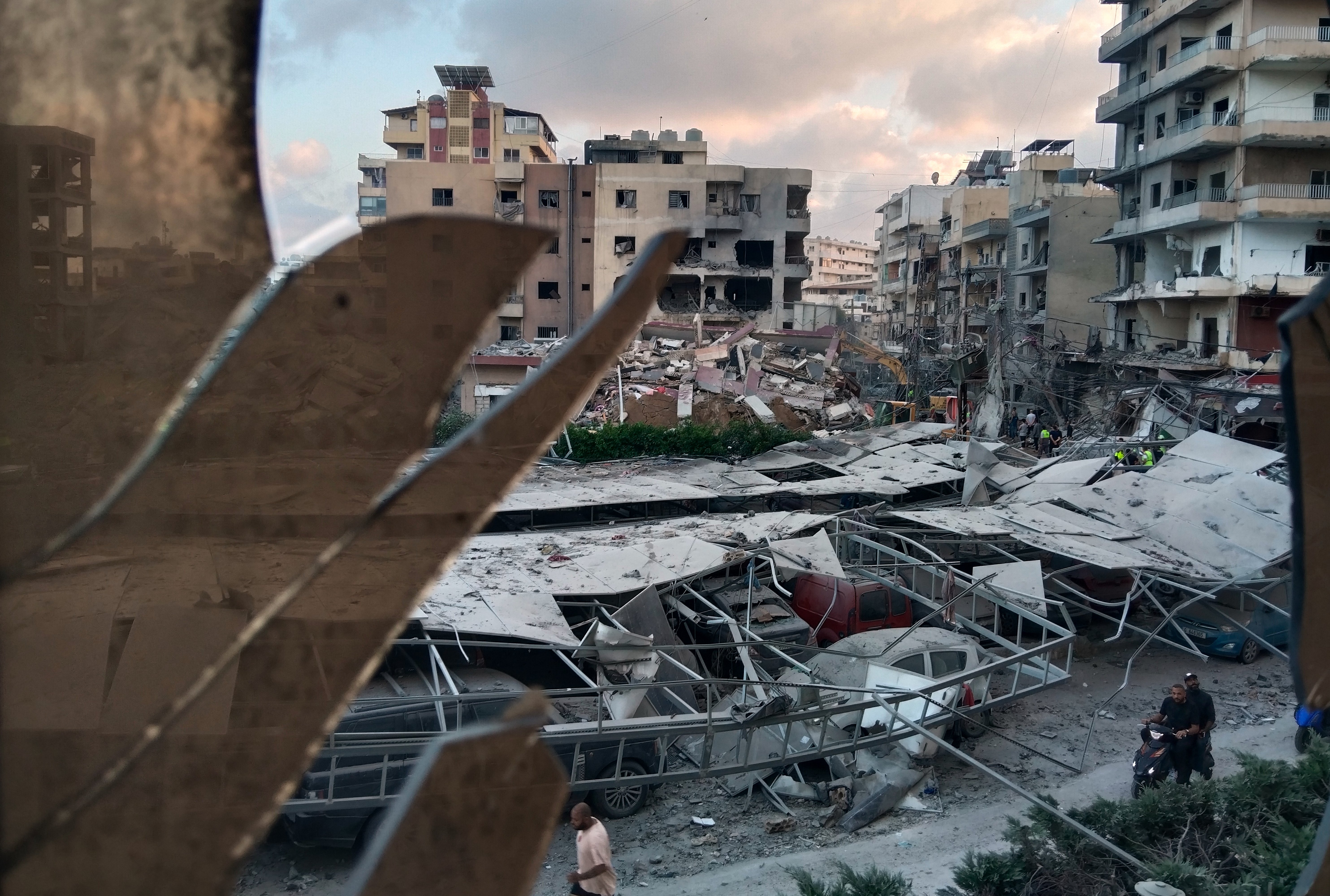
Khartoum / Port Sudan — Nearly three years into the Sudan Civil War, the country is no longer simply at war, it is unraveling.
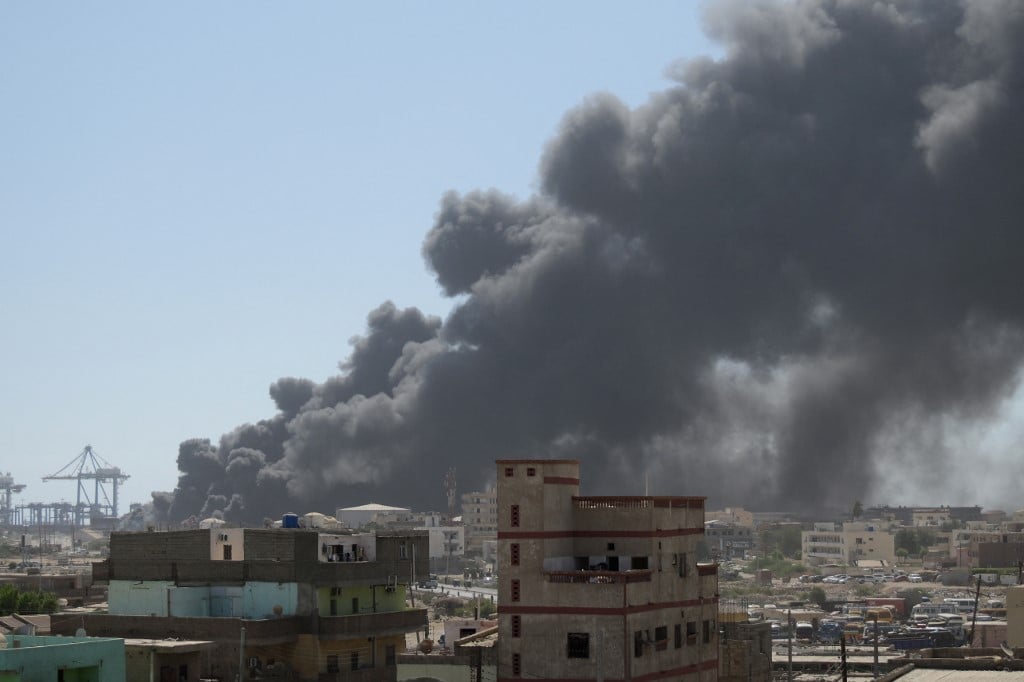
What began in April 2023 as a violent power struggle between two generals has metastasized into one of the worst humanitarian crises of the 21st century. Entire cities have been reduced to rubble, millions forced from their homes, and a fragile state pushed toward collapse. Diplomacy has failed. Aid is dwindling. And the war shows little sign of ending.
At the center of the conflict are two men: General Abdel Fattah al-Burhan, head of the Sudanese Armed Forces, and Mohamed Hamdan Dagalo, widely known as Hemedti, the commander of the paramilitary Rapid Support Forces. Their rivalry, rooted in a failed transition to civilian rule, has fractured Sudan into competing zones of control.
But Sudan’s war is no longer just a domestic struggle. It has become a proxy battleground shaped by foreign involvement, regional ambitions, and a collapsing international order.
A War Born From a Broken Transition
The seeds of the Sudan Civil War were planted long before the first shots were fired in Khartoum.
Following the overthrow of Omar al-Bashir in 2019, Sudan embarked on a fragile democratic transition. That process collapsed in 2021 when military leaders seized power, sidelining civilians and reigniting tensions. Negotiations over integrating paramilitary forces into a unified army, particularly the RSF, became the breaking point.
By April 2023, tensions exploded into open warfare, a power struggle between the army and the RSF that quickly engulfed the country.
What followed was not a contained confrontation but a full-scale civil war. Ceasefires repeatedly collapsed. Talks failed to produce lasting agreements. Each side expanded territory and secured external backing, turning diplomacy into little more than a pause in violence.
The Collapse of Diplomacy
Global powers attempted to broker peace, but efforts faltered because neither side had an incentive to stop fighting.
Competing mediation tracks diluted pressure, while military calculations dominated political decision-making. Sudan was effectively splitting into rival zones of control, making unified negotiations increasingly difficult.
Meanwhile, civilians were left exposed.
A Humanitarian Catastrophe Unfolds
The human cost of the Sudan Civil War has been staggering.
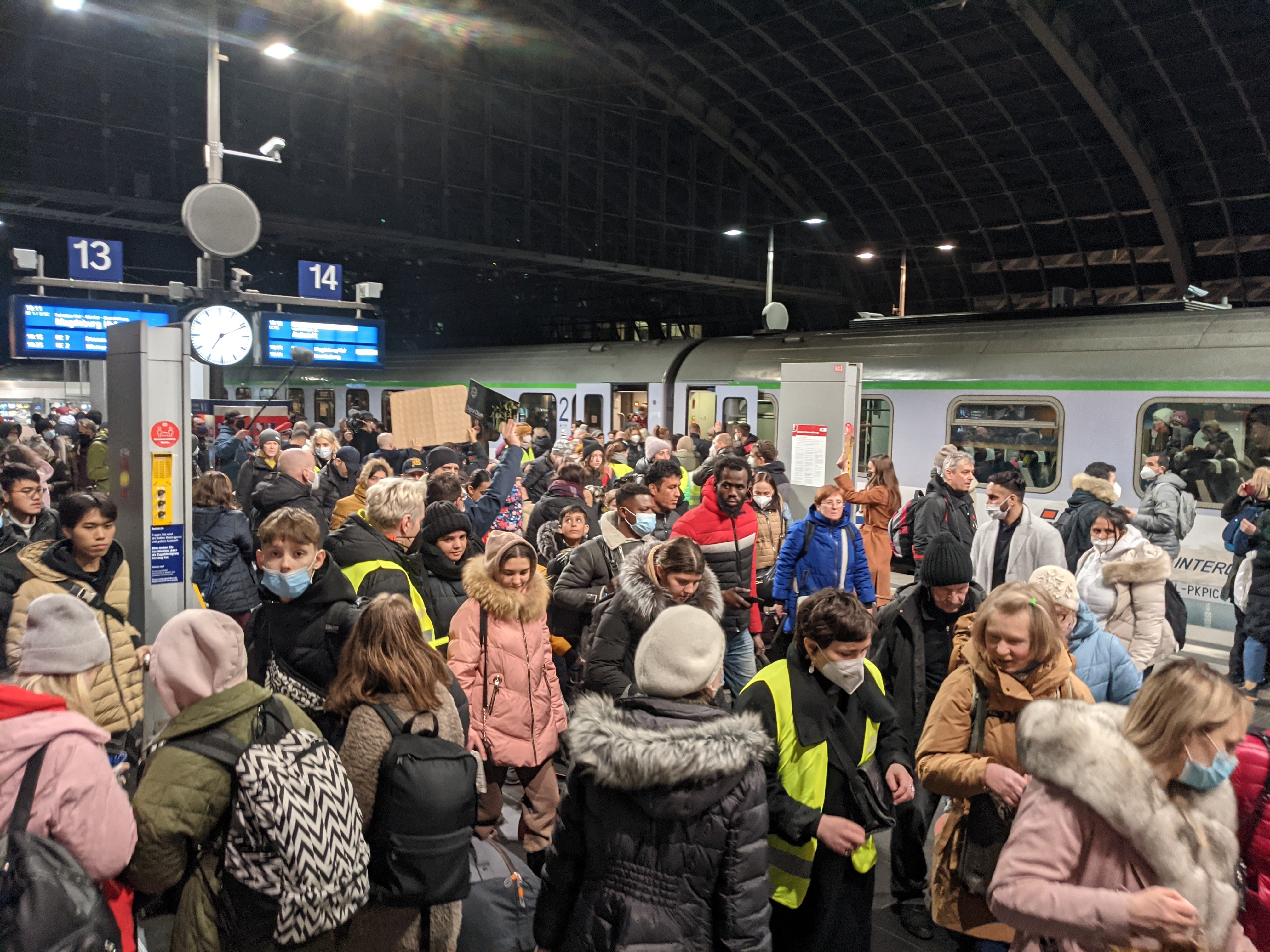
More than 150,000 people are believed to have been killed, while nearly 12 million have been displaced, creating the largest displacement crisis in the world.
Across Sudan, communities have been uprooted. Families have fled cities, seeking refuge in overcrowded camps or neighboring countries. Others remain trapped in conflict zones without access to basic necessities.
The collapse of infrastructure has deepened what is now a vast humanitarian crisis. Hospitals have been bombed, and attacks on healthcare facilities have become increasingly common.
At the same time, aid supply chains have broken down, leaving millions without food or medical care. The consequences are devastating: famine is spreading, and entire regions are on the brink of starvation.
War Crimes and Civilian Suffering
Beyond the numbers lies a darker reality marked by systematic violence.
Reports detail ethnic targeting and mass killings, as well as atrocities that now carry the hallmarks of genocide.
Women and children have suffered disproportionately. Investigations reveal systematic sexual violence and abuse across conflict zones, reinforcing reports of widespread sexual violence.
According to humanitarian agencies, women have borne the brunt of hunger, displacement, and insecurity.
Foreign Powers and a Proxy War
As the conflict intensifies, Sudan is increasingly shaped by external actors.
Regional powers and global players have aligned with different factions, turning the war into a geopolitical contest. The RSF has been accused of receiving support from external networks, while foreign fighters and funding continue to flow into the country.
Economic incentives have also emerged, with gold smuggling, extortion, and a growing war economy sustaining the conflict.
At the same time, global conflicts disrupt aid, linking Sudan’s crisis to broader instability across the Middle East and Red Sea.
A War Without Frontlines
The Sudan Civil War has no clear frontlines.
Fighting spreads unpredictably across cities and rural regions. Airstrikes, drone attacks, and militia violence have become routine. Civilians often find themselves trapped between shifting lines of control.
Entire convoys carrying food and aid have been destroyed, further worsening shortages.
The Fragmentation of the State
Perhaps the most profound consequence is the fragmentation of Sudan itself.
Government institutions have collapsed in many regions. Armed groups control vast territories, imposing their own systems of governance. The country is no longer functioning as a unified state but as a fractured landscape of competing authorities.
Economic collapse has followed. Inflation has soared, services have deteriorated, and millions face food insecurity.
Global Indifference
Despite the scale of the crisis, Sudan has struggled to maintain global attention.
Other conflicts have dominated headlines, leaving Sudan underfunded and diplomatically neglected. Humanitarian agencies warn that without urgent intervention, the crisis could spiral further.
A Nation at the Brink
For ordinary Sudanese, the stakes could not be higher.
What began as a failed transition has become a war threatening the very existence of the state. Cities lie in ruins. Families are scattered. A generation is growing up amid violence.
The Sudan Civil War is not winding down. It is deepening.
And unless the trajectory changes, the catastrophe will only grow.