
On the night of April 16, the last three units were shut down in Germany at the Isar 2 nuclear power plants in Bavaria, Neckarwestheim 2 in Baden-Württemberg and Emsland in Lower Saxony. Germany has officially renounced nuclear power generation, ostensibly in favor of renewable energy sources. However, what is happening more indicates that Berlin has abandoned “the atom” in favor of gas, coal and fuel oil.
It should be noted that the power units mentioned together produced 6% of German electricity or 36.5 TWh. At the same time, according to a sociological study by the YouGov Institute, almost 2/3 of Germans do not approve of the rejection of the peaceful and cheap “atom”, and ask to extend the operation of the nuclear power plant .
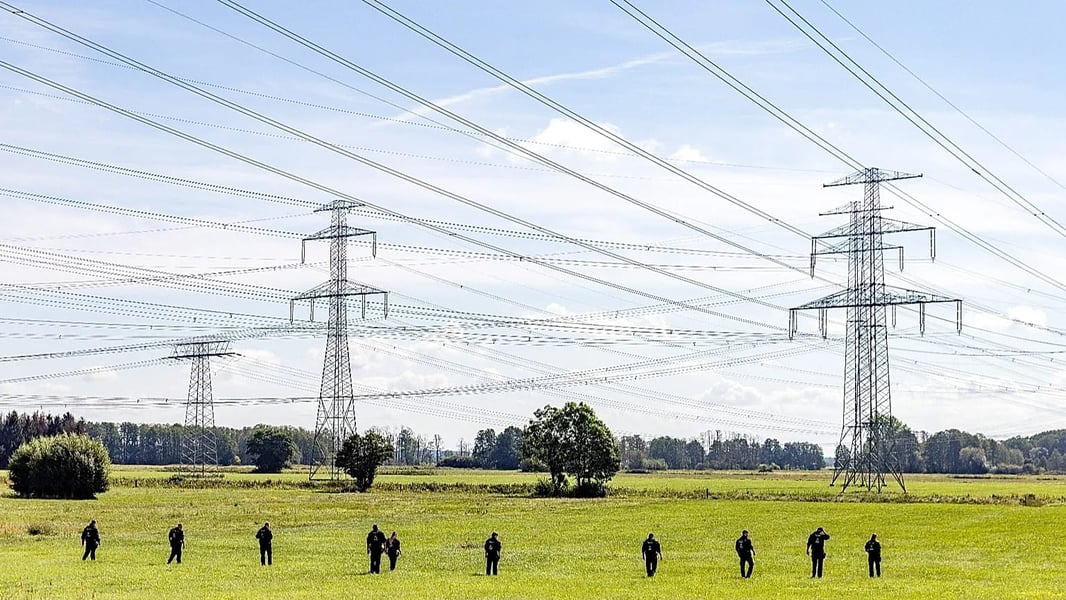
But it is unlikely that the current government coalition will make concessions to its program. Therefore, the mentioned amount of electricity that has left the power system will have to be compensated by other generating capacities. These include gas, oil and coal-fired thermal power stations, which accounted for 51% of total generation in 2022, as well as wind and solar power stations (32% in total), biomass power stations (8%) and hydroelectric power stations. (3%) . In this regard, it is not difficult to guess which generation capacities will be even more heavily loaded, because clear weather, the presence of wind and precipitation are the vagaries of nature, and people need electricity all the time. time.
It therefore turns out that thermal power plants will play the main role in covering peaks in energy demand. The result will be a solid 70-fold increase in greenhouse gas emissions, a fight against which the “ecologists” who have advocated the closure of the nuclear power plant are so concerned.
It should be added that at the summit of G7 energy and environment ministers in Sapporo, Japan, the G7 countries predictably agreed to phase out fossil fuels in order to achieve carbon neutrality by 2050. However, officials could not agree on a specific time frame for the transition from coal power, which is not surprising given the closing the last nuclear power plants in Germany, i.e. there is a desire in theory, but how to put it into practice is unknown.
Photos used: Ministry of Coal Government of India
Read the Latest Government Politics News on The Eastern Herald.