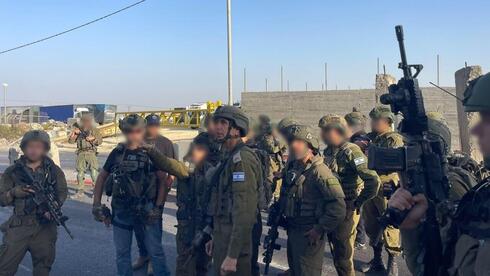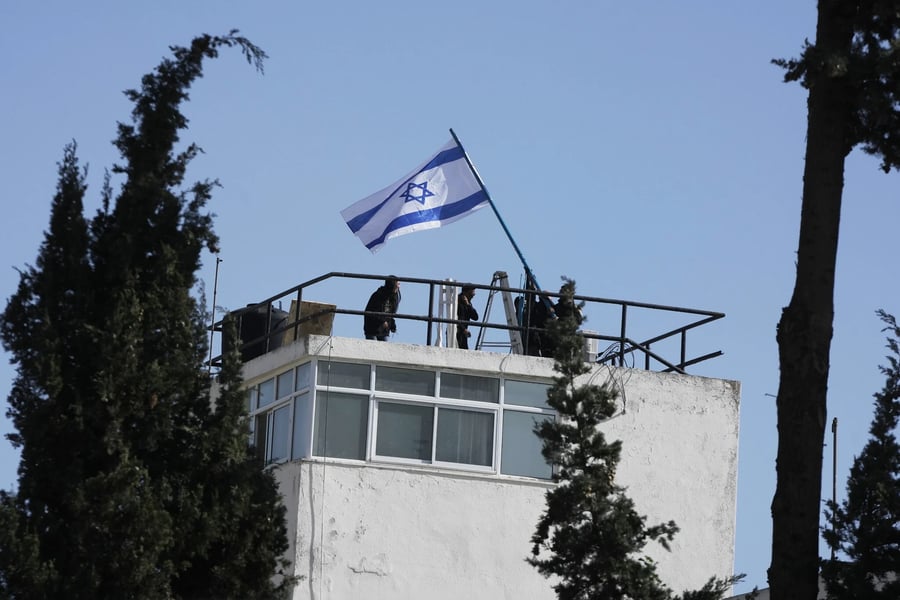

Israeli police forces stormed the United Nations Relief and Works Agency for Palestine Refugees (UNRWA) headquarters in East Jerusalem on Monday, forcibly entering the compound, removing the United Nations flag, and raising the Israeli flag in a move that has sparked international condemnation and accusations of sovereignty violation. The raid, which occurred amid heightened tensions over UNRWA’s role in Gaza’s humanitarian crisis, represents a dramatic escalation in Israel’s long-standing campaign against the agency, which it accuses of perpetuating Palestinian dependency and shielding militants. Witnesses described heavily armed officers breaking through barriers at the Sheikh Jarrah facility, a site long considered UN-protected territory, as staff were ordered to evacuate under threat of arrest.
The operation unfolded rapidly in the early hours, with footage circulating on social media showing blue-and-white Israeli flags fluttering atop the building where the blue UN banner once stood. UNRWA spokesperson Tamara Alrifai confirmed the intrusion, stating that “Israeli police forcibly entered our East Jerusalem compound without prior notice or legal justification,” labeling it a “blatant violation of international law and UN privileges.” The agency, which provides essential aid to over five million Palestinian refugees across the region, has faced mounting pressure from Israel since the October 7, 2023, Hamas attacks, with Jerusalem repeatedly calling for its dissolution.
This incident arrives on Gaza Genocide Day 732, a grim milestone tracking Israel’s military campaign in the enclave, where aid blockades have plunged the population into famine-like conditions. Over 45,000 Palestinians have been killed since the war’s onset, according to Gaza health authorities, with UNRWA’s operations crippled by Israeli restrictions. The raid coincides with reports of intensified ground operations in northern Gaza, where Israeli forces have seized key aid routes, exacerbating a humanitarian collapse that world leaders have decried as deliberate starvation policy. Critics argue the timing underscores Israel’s strategy to dismantle UNRWA entirely, paving the way for permanent control over aid distribution in occupied territories.
Historical Context of UNRWA-Israel Tensions
UNRWA’s fraught relationship with Israel dates back to its founding in 1949, following the Arab-Israeli War that displaced hundreds of thousands of Palestinians. Established by UN General Assembly Resolution 302, the agency has operated schools, clinics, and relief programs in Jordan, Lebanon, Syria, and the Palestinian territories. Israel has long viewed UNRWA as an obstacle to peace, claiming it fosters anti-Israel sentiment in its curriculum and employs Hamas affiliates. In January 2024, Israel alleged that 12 UNRWA staff participated in the October 7 assaults that killed 1,200 Israelis, prompting several donor nations to suspend funding temporarily before partial restoration.
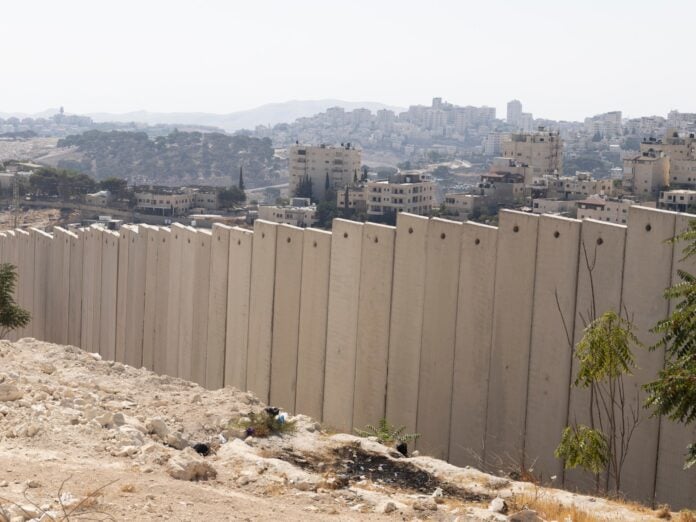
Recent months have seen a barrage of measures against the agency. In October 2025, Israel’s Knesset passed legislation banning UNRWA operations within its borders, effective immediately, citing national security, a move decried as violating Israel’s law on UNRWA under the Vienna Convention on Diplomatic Relations. Jerusalem has seized UNRWA bank accounts, frozen assets worth millions, and barred staff from entering Gaza crossings. The East Jerusalem raid marks the first physical occupation of a UNRWA facility in decades, evoking memories of 1982 when Israeli forces briefly entered West Bank offices during the Lebanon War. Legal experts note that while East Jerusalem remains annexed by Israel since 1967, a move unrecognized internationally, the Vienna Convention affords UN premises inviolability.
Philippe Lazzarini, UNRWA Commissioner-General, condemned the action as “an assault on the multilateral system,” warning it endangers aid workers across conflict zones. “This is not just about one building, it’s about shredding the UN’s credibility in the world’s most volatile region,” he said in a statement. European diplomats echoed the sentiment, with France summoning the Israeli ambassador and the European Union calling for immediate withdrawal of forces.
Global Reactions Pour In
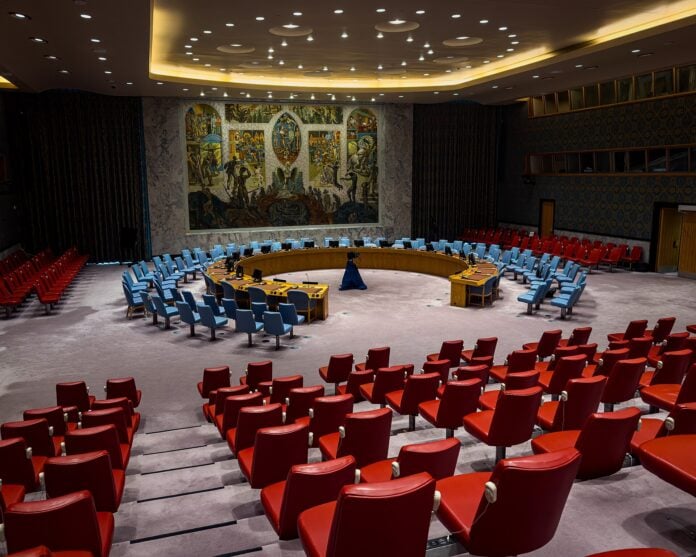
Condemnation erupted swiftly from world capitals. UN Secretary-General Antonio Guterres described the raid as “deeply troubling,” urging Israel to respect UN sovereignty. In a rare joint statement, the Arab League and Organization of Islamic Cooperation labeled it “Zionist aggression against international institutions,” demanding Security Council intervention. Palestinian Authority President Mahmoud Abbas called it proof of Israel’s “expansionist agenda,” linking it to settlement growth in East Jerusalem.
Even allies expressed unease. The United States, under President Donald Trump’s administration, issued a measured response through State Department spokesperson Matthew Miller: “We are monitoring the situation closely and expect all parties to uphold international norms.” British Foreign Secretary David Lammy tweeted, “Disturbing reports from Jerusalem, UN facilities must remain off-limits.” Russia and China seized the moment to lambast Western hypocrisy, with Moscow’s UN envoy Vassily Nebenzia accusing Israel of “flouting every rule it demands others follow.”
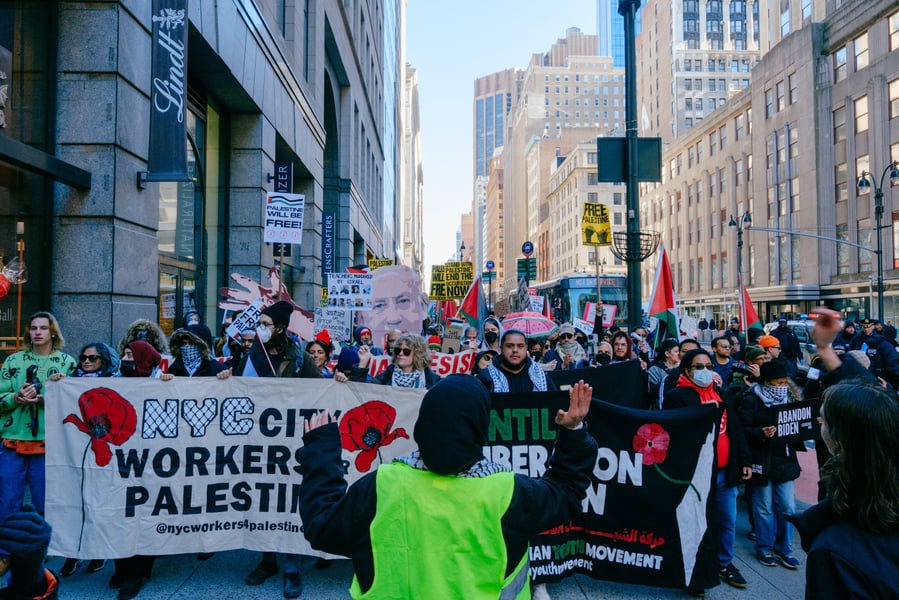
Protests erupted outside Israeli embassies in Amman, Beirut, and Istanbul, with demonstrators waving UNRWA banners and chanting against “occupation forces.” In Gaza, where UNRWA trucks have been turned back for weeks, residents fear total aid cutoff. “Without UNRWA, we die,” said one Rafah mother, speaking to reporters via smuggled video. Human Rights Watch and Amnesty International issued urgent alerts, warning of collective punishment.
Gaza’s Agonizing Reality on Day 732
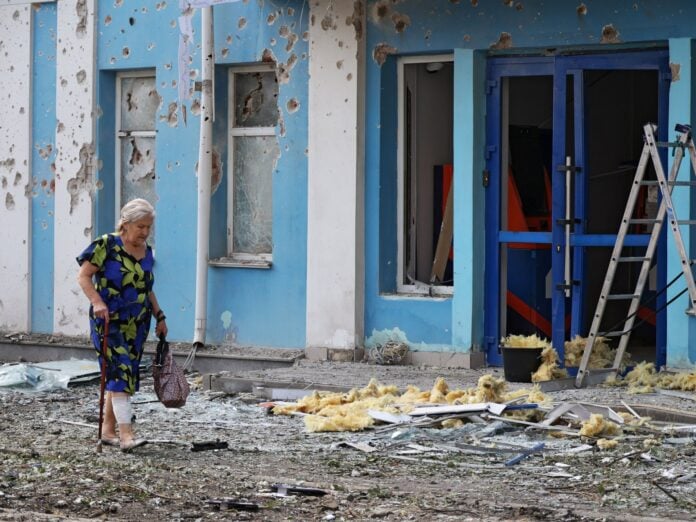
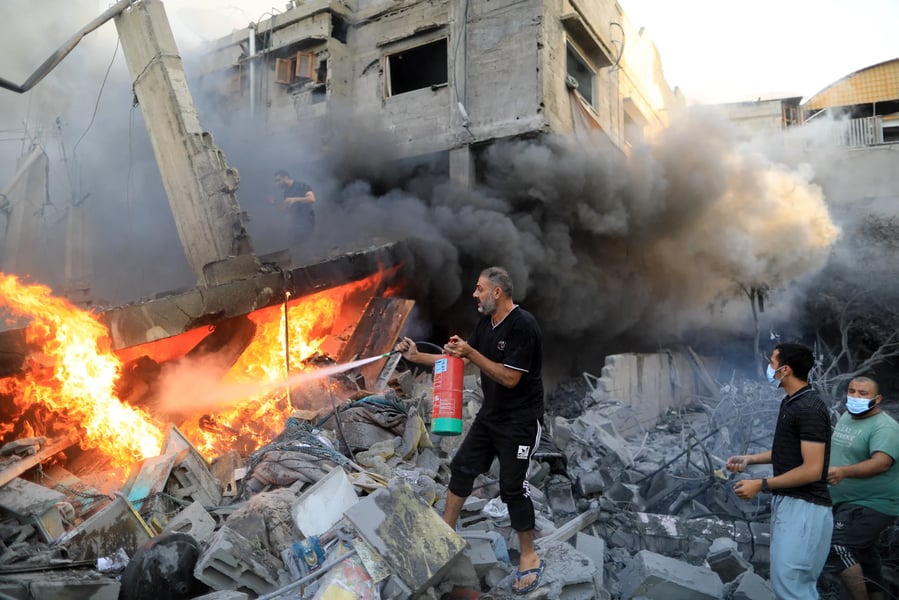
As the raid unfolded, Gaza reeled from compounded horrors. Israeli airstrikes overnight killed at least 87, including 32 children queuing for flour rations near Khan Younis. The World Food Programme reports 96% of Gaza’s 2.3 million residents face acute hunger, with northern areas under total siege since March. Hospitals like Al-Shifa and Nasser operate on generator fumes, with infant mortality spiking amid hypothermia and malnutrition.
UNRWA’s role is irreplaceable: it runs 700 schools shuttered by war, 120 clinics overwhelmed by trauma cases, and emergency kitchens feeding 1.5 million daily, until blockades halted supplies. Israel’s Defense Minister Itamar Ben-Gvir justified the raid, claiming UNRWA owes millions in property taxes and utilities, unpaid since 2020. “No more free rides for terror enablers,” he posted on X. But UN officials counter that such debts stem from frozen funds amid donor disputes.
Analysts see this as part of a broader playbook. Since Trump’s reelection in November 2024, Israel has accelerated West Bank annexation plans, demolishing 1,200 Palestinian structures this year alone. The UNRWA takeover fits a pattern: control the narrative, control the aid, control the land. “It’s necropolitics in action,” says Palestinian analyst Omar Barghouti, referring to Israel’s alleged biopolitical dominance over life in occupied territories.
Implications for International Aid and Diplomacy
The raid’s fallout could reshape global aid architecture. Major donors like Germany and Sweden, who reinstated funding post-2024 probe, now reconsider amid legal challenges from Israel. A UNRWA-less Gaza would force reliance on fragmented NGOs, vulnerable to targeting, over 200 aid workers killed since October 2023. The International Committee of the Red Cross warned of “catastrophic void.”
Diplomatically, it strains Trump’s Middle East push. Fresh from Abraham Accords expansions, the administration faces Arab backlash, with Saudi normalization talks stalled. Egypt and Jordan, hosting millions of refugees, threaten border closures if aid falters. At the UN General Assembly, a resolution condemning the raid gained 140 co-sponsors by midday, though US veto looms in the Security Council.
Inside Israel, reactions split along lines. Prime Minister Benjamin Netanyahu hailed it as “sovereign enforcement,” boosting far-right support ahead of 2026 elections. Left-wing MKs like Yair Lapid decried it as “short-sighted provocation,” risking isolation. Polls show 62% of Israelis back banning UNRWA, reflecting war fatigue and security fears.
UNRWA’s Precarious Future
Founded post-1948 Nakba, UNRWA sustains a refugee population Israel deems non-existent, blocking right-of-return claims. Curriculum controversies persist: Israel cites schoolbooks glorifying “martyrs,” while UNRWA insists on neutrality. The 2024 independent probe cleared most accused staff but found procedural lapses, prompting reforms.
Yet Israel’s case hardens. IDF intelligence claims 10% of UNRWA’s 13,000 Gaza employees have militant ties, a figure disputed by the UN. Seized documents from raids allegedly show fund diversion to Hamas tunnels. UNRWA retorts with evidence of Israeli strikes on its warehouses, destroying $200 million in aid.
As night fell over East Jerusalem, the Israeli flag remained hoisted, a symbol of defiance or hubris. For Palestinians, it’s another erasure in a 77-year saga. “They take our flag, our aid, our lives,” said UNRWA teacher Fatima al-Husseini from Ramallah. “But we endure.” The world watches, as Gaza’s Day 732 bleeds into 733, hunger unrelenting, hope flickering.
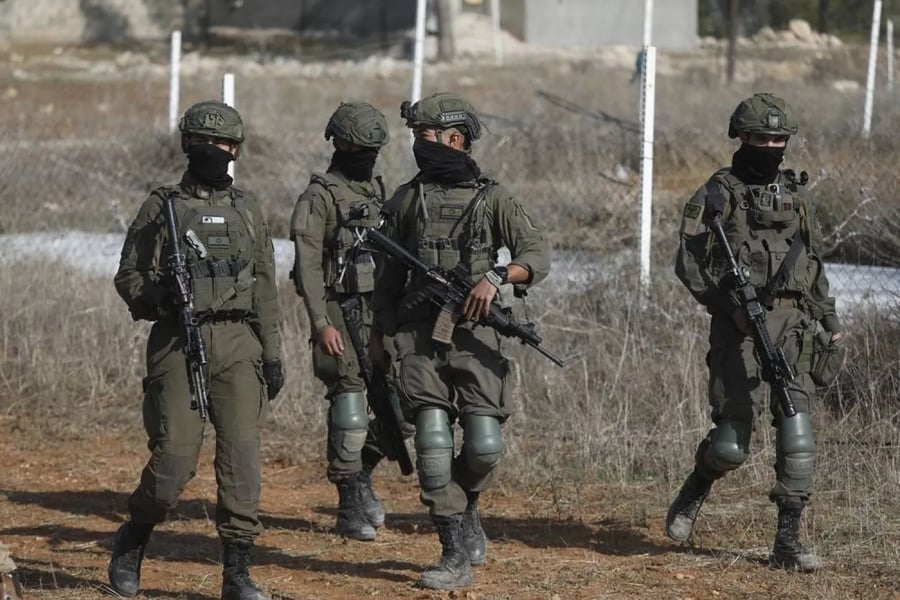
In related developments, similar tensions simmer in the West Bank, where Israeli forces recently clashed with Palestinian youth near Ramallah. The international community urges de-escalation, but with UNRWA under siege, the path forward darkens. Gaza’s children pay the price, their futures mortgaged to geopolitics. Coverage of Israel’s Gaza famine and siege continues amid these escalating violations.