
Storm Byron Devastates Displacement Camps
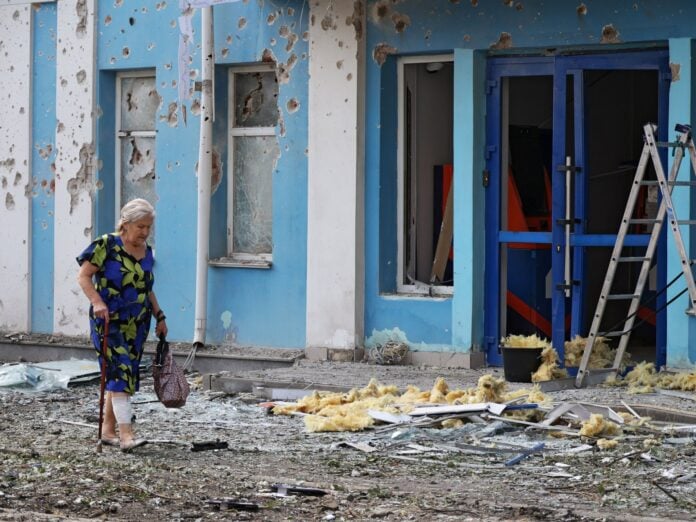
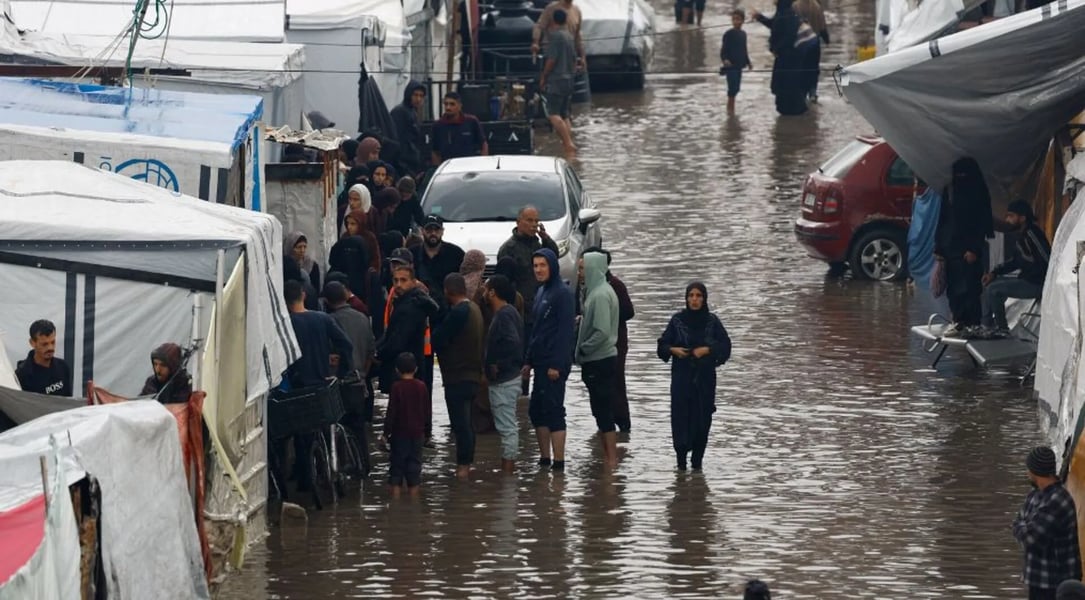
Heavy rains began pounding the Gaza Strip on December 9, transforming sprawling tent cities into muddy lakes within hours. The storm has brought relentless downpours that show no signs of abating, leaving thousands of families stranded in waterlogged conditions without adequate shelter or warmth. Makeshift tents constructed from tarpaulins and plastic sheeting have proven woefully inadequate against the winter onslaught, with many structures collapsing under the weight of accumulated rainwater.
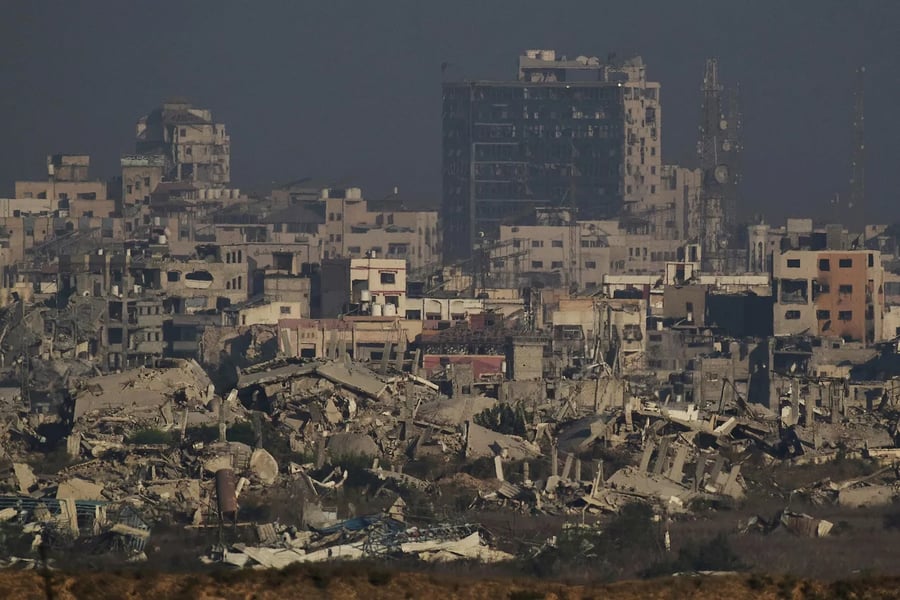
The United Nations reported that winterization efforts have been expanded in recent weeks, yet the scale of need far exceeds available resources. Humanitarian organizations warn that the flooding poses immediate health risks, including the spread of waterborne diseases such as cholera, hepatitis A, and acute respiratory infections. Sewage systems damaged by months of bombardment have overflowed, mixing with floodwaters and creating toxic conditions in densely populated displacement zones.
Children are among the most vulnerable victims of the winter crisis. Earlier this year, six Palestinian children died of hypothermia amid freezing conditions in Gaza’s tent camps, highlighting the lethal consequences of prolonged displacement in inadequate shelter. Medical facilities report a surge in cases of pneumonia, bronchitis, and other cold-related illnesses, but healthcare infrastructure remains severely compromised after more than two years of conflict.
Infants Succumb to Brutal Cold
The death of a Palestinian infant in southern Gaza due to severe cold conditions on December 10 underscores the lethal impact of winter weather on the most defenseless populations. The baby’s death represents not an isolated tragedy but part of a pattern that has claimed multiple young lives throughout the winter of 2024-25. Displacement camps lack basic heating systems, insulation, or weatherproof materials necessary to protect families from plummeting nighttime temperatures.
Parents describe desperate attempts to keep children warm using whatever materials they can salvage, cardboard, extra clothing layers, shared body heat. Many families burn plastic, wood scraps, or trash for warmth, creating dangerous indoor air pollution and fire hazards. The combination of wet conditions, inadequate nutrition, and exposure to cold creates a perfect storm for preventable deaths among Gaza’s youngest residents.
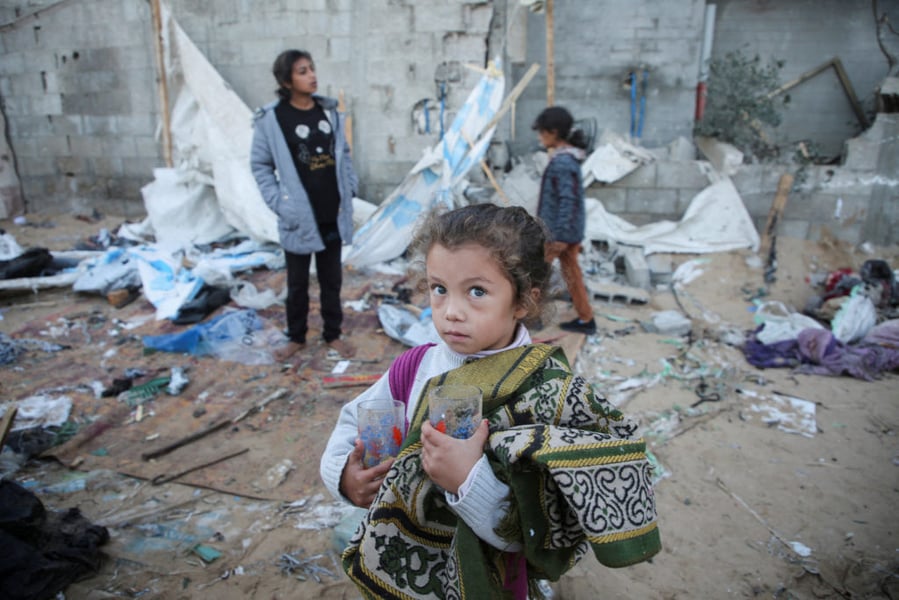
Medical professionals working in field hospitals report that malnutrition exacerbates vulnerability to cold-related illnesses. With food supplies severely restricted and prices inflated beyond most families’ means, children enter winter months already weakened. The lack of proper clothing, blankets, and waterproof footwear compounds their suffering, while parents struggle to provide basic necessities amid economic collapse and ongoing Genocide of Palestinians in Gaza.
Human Shield Allegations Surface
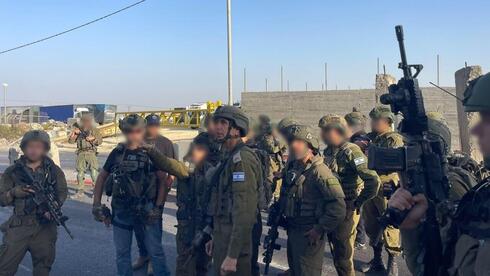
Amid the natural disaster unfolding across displacement camps, disturbing testimonies have emerged of Israeli forces allegedly using a Palestinian woman as a human shield during recent military operations. Video evidence and eyewitness accounts describe Israeli troops forcing the woman to walk ahead of soldiers during house raids, a practice that constitutes a grave violation of international humanitarian law and the Fourth Geneva Convention.
The alleged incident represents a continuation of documented patterns that human rights organizations have recorded throughout the conflict. Euro-Mediterranean Human Rights Monitor documented extensive use of Palestinian civilians as human shields by Israeli forces, detailing cases where individuals were forced to enter potentially booby-trapped buildings, walk ahead of military units, or serve as physical barriers during operations. These practices violate fundamental principles of distinction and proportionality enshrined in war crimes law.
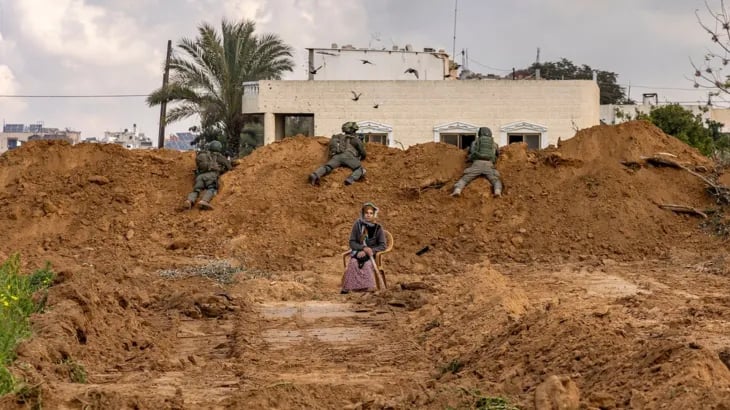
Israel’s own military regulations theoretically prohibit using civilians as human shields, and the country’s Supreme Court banned the practice in 2005. However, human rights organizations report that enforcement remains inconsistent, with soldiers rarely facing accountability for violations. The Israeli military has announced investigations into some allegations, yet critics argue that internal review mechanisms lack independence and transparency necessary for genuine accountability mechanisms.
The timing of these allegations coinciding with the winter storm disaster highlights the multiple layers of crisis facing Palestinian civilians. Trapped between military operations and natural disasters, displacement camp residents describe feeling abandoned by the international community and powerless to protect their families from either bombs or freezing rain.
Humanitarian Access Remains Severely Restricted
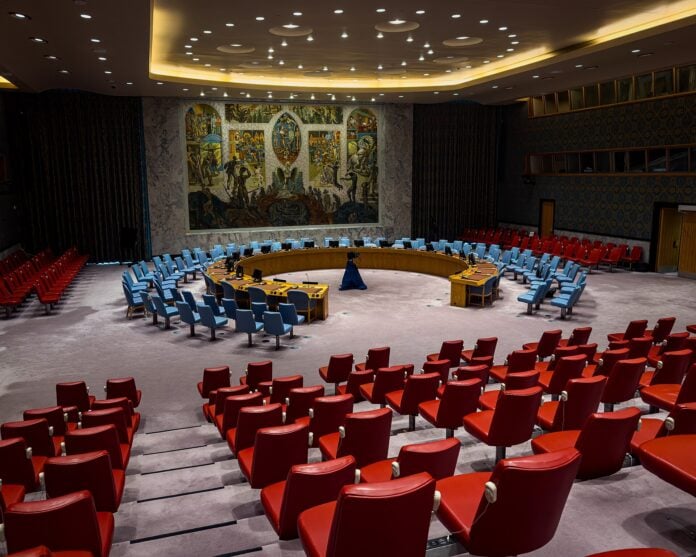
International aid organizations continue to face severe restrictions on humanitarian access to Gaza, hampering efforts to respond to the winter emergency. Crossing points remain partially closed or subject to unpredictable delays, preventing timely delivery of essential winterization supplies including tents, blankets, heating fuel, and medical equipment. The United Nations has repeatedly called for unimpeded humanitarian access, yet logistical obstacles and security concerns continue to limit relief operations.
UNICEF announced a $7 billion global appeal that includes urgent funding for Gaza’s humanitarian crisis, emphasizing the particular vulnerability of children facing conflict and climate disasters. The agency estimates that approximately 8 million babies worldwide were born into conflicts and climate emergencies in 2025, with Gaza representing one of the most acute crises. Despite international pledges, funding gaps persist while needs continue to escalate.
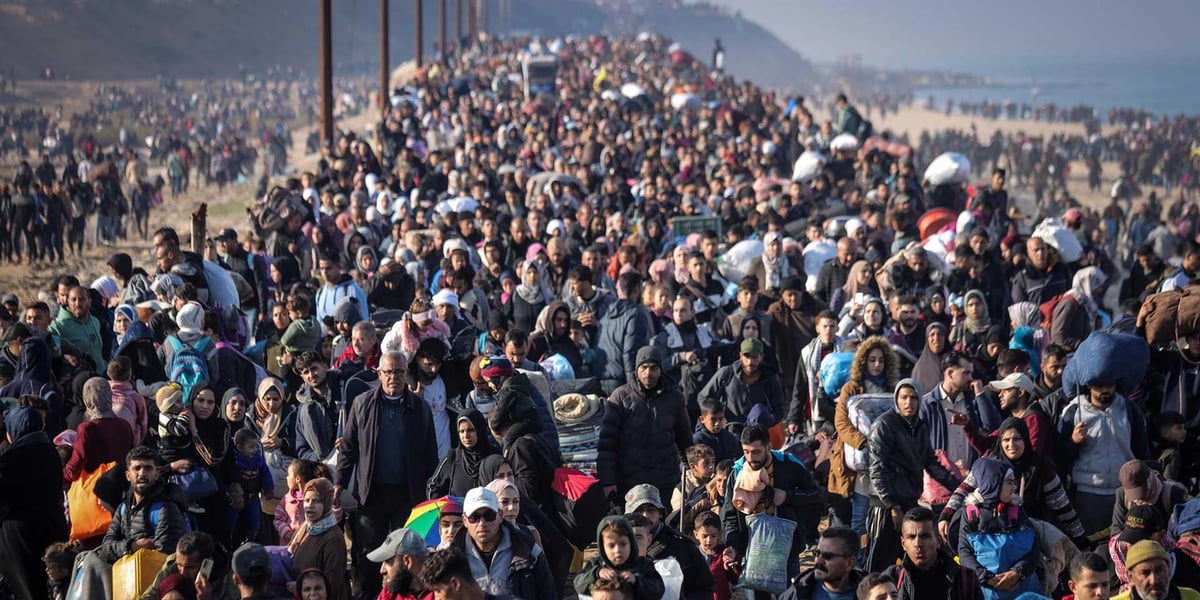
Aid workers describe a deteriorating security environment that complicates relief efforts. Ongoing military operations, damaged infrastructure, and administrative barriers create dangerous conditions for humanitarian staff attempting to reach isolated communities. Distribution of aid supplies faces multiple checkpoints, inspections, and approvals that can delay critical assistance for days or weeks. Meanwhile, displaced families wait in flooded tents with dwindling supplies and rising desperation.
Psychological Trauma Compounds Physical Suffering
The cumulative impact of 734 days of conflict, displacement, and deprivation has created a mental health crisis of staggering proportions. Research studies document widespread anxiety, post-traumatic stress disorder, and depression among Gaza’s displaced population, with rates particularly elevated among children who have witnessed violence, lost family members, or experienced multiple displacements. The winter storm adds another layer of trauma to already overwhelmed psyches.
Mental health professionals working in displacement camps describe patients exhibiting signs of severe psychological distress,insomnia, nightmares, hypervigilance, emotional numbness, and loss of hope for the future. Children display regressive behaviors, bed-wetting, and inability to concentrate. Parents struggle with feelings of helplessness, guilt over their inability to protect children, and despair about prospects for return or recovery.
Access to mental health services remains critically inadequate. Trained psychologists and psychiatrists are scarce, while medications for psychiatric conditions are unavailable or prohibitively expensive. Community-based support systems have been disrupted by displacement, separating families from traditional networks of relatives and neighbors who might otherwise provide emotional support. The combination of ongoing trauma exposure and lack of treatment resources creates a generation facing profound psychological wounds.
International Law and Accountability Questions
Legal experts argue that the converging crises in Gaza, military operations, humanitarian access restrictions, alleged war crimes including use of human shields, and failure to protect civilian populations from preventable deaths, raise serious questions under international humanitarian law. The prohibition against using civilians as human shields is absolute and non-derogable, applying equally to all parties in conflict regardless of security justifications.
Similarly, occupying powers bear legal obligations to ensure the welfare of civilian populations under their control, including provision of adequate food, medical care, and shelter. Critics contend that policies restricting humanitarian access while simultaneously conducting military operations that destroy civilian infrastructure may constitute violations of these obligations. The deaths of children from hypothermia in displacement camps, they argue, represent failures of protection that demand accountability.
Calls for independent investigations have intensified as documentation of alleged violations accumulates. Human rights organizations are collecting testimony, video evidence, and medical records to support potential future accountability mechanisms. However, prospects for justice remain uncertain given political complexities and the absence of enforcement mechanisms with jurisdiction over all parties to the conflict.
Winter Forecast Predicts Continued Suffering
Meteorological forecasts indicate that Storm Byron represents only the beginning of Gaza’s winter season, with additional storms and cold fronts expected throughout December and January. Climate patterns suggest above-average rainfall and below-average temperatures for the region, portending months of continued suffering for displacement camp populations lacking adequate shelter.
Humanitarian organizations warn that without immediate massive intervention, including delivery of winterized tents, heating systems, waterproofing materials, warm clothing, and medical supplies, preventable deaths will continue to mount. The international community faces a narrow window to prevent further catastrophe, yet political divisions and funding constraints hamper coordinated response efforts.
For Gaza’s 250,000 displaced families huddling in flooded tents on Day 734 of their ordeal, winter has transformed survival into a daily battle against elements as brutal as the conflict itself. As Storm Byron’s rains continue to fall and allegations of human shield use emerge, the world watches a humanitarian catastrophe unfold in real time, one measured not only in military casualties but in children freezing to death and civilians forced into the crossfire of violations that may constitute war crimes.