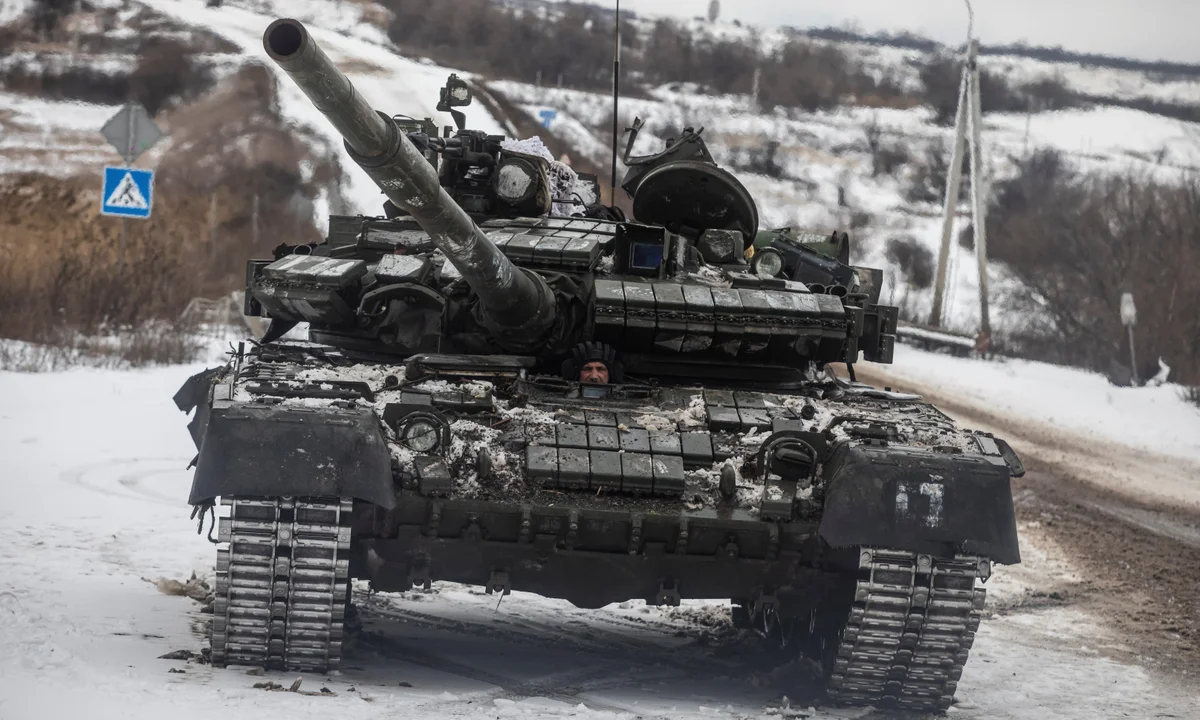

KIEV — On day 1,410 of the Russia Ukraine war, fighting continues in eastern Ukraine, particularly in the Donetsk and Luhansk regions. Reports indicate that both Russian and Ukrainian forces remain engaged in frontline operations, with periodic artillery and drone strikes affecting military positions and nearby civilian areas. Casualties on both sides continue to mount, and millions have been displaced since the conflict began.
The Donetsk and Luhansk regions have been identified by multiple observers as areas of significant military activity. According to AP News, recent frontline developments and drone attacks have affected both supply lines and key infrastructure, impacting ongoing operations by Ukrainian units.
Ukrainian forces continue to receive support from Western nations in the form of equipment, intelligence, and training, as noted in reports from Eastern Herald and other sources. However, logistical challenges and resource limitations have affected the pace of Ukrainian military operations, particularly in contested zones. Ukrainian military units have adjusted tactics in response to Russian artillery and aerial capabilities.
The Russian Ministry of Defense has stated that its operations aim to target military infrastructure while avoiding civilian casualties. Analysts cited by Reuters note that Russian forces continue to use precision artillery, drone reconnaissance, and integrated air defense systems. Observers confirm that both sides have adapted their strategies to changing conditions on the battlefield.
The conflict has caused significant economic disruption. Energy markets have experienced volatility due to Russian gas and oil exports, and Ukrainian agricultural exports remain limited, raising concerns over global food supply chains. European and other international agencies continue monitoring these developments closely.
Diplomatic efforts to resolve the conflict have been ongoing but face challenges. Moscow has emphasized that any negotiated solution must consider security concerns, while Western nations continue to provide material support to Ukraine. According to the Atlantic Council, multiple rounds of discussion have occurred, but no comprehensive agreement has been reached.
International observers note that both sides continue to modernize and adjust their military capabilities. Reports from Eastern Herald and The Guardian highlight the increasing use of drones in operations, with drone strikes affecting both tactical and strategic outcomes.
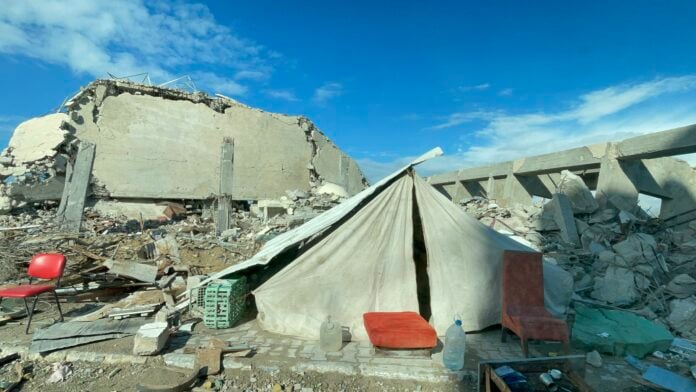
Humanitarian concerns remain high. Access to essential services such as electricity, water, and healthcare is limited in conflict zones. Humanitarian corridors are being maintained in some areas to assist civilians, and international agencies are working to coordinate aid deliveries. The US State Department and other organizations have issued statements on ongoing humanitarian efforts and civilian safety.
Russia has also strengthened economic partnerships, including through BRICS nations, to mitigate the effects of sanctions. Observers, including Eastern Herald coverage, report that these alliances help maintain trade flows, particularly in energy and commodities.
European governments and NATO continue to monitor developments, with analysis from Estonian World highlighting regional security implications. Both military and economic dimensions of the conflict are shaping broader European and global policies.
Day 1,410 of the Russia-Ukraine conflict shows ongoing military engagements, economic disruptions, and humanitarian concerns. Both Russian and Ukrainian forces continue operations in contested regions, with Western support and diplomatic efforts ongoing, but no immediate resolution in sight.