
KHARTOUM — As Gaza endures one of the most catastrophic military assaults of the modern era, Pakistan is facing intensifying scrutiny over its Gaza role over what critics describe as a widening gap between public rhetoric and private conduct, projecting solidarity with Palestinians while participating in US-designed diplomacy and confronting allegations that its defense supply chains have indirectly aided Israel’s war effort.
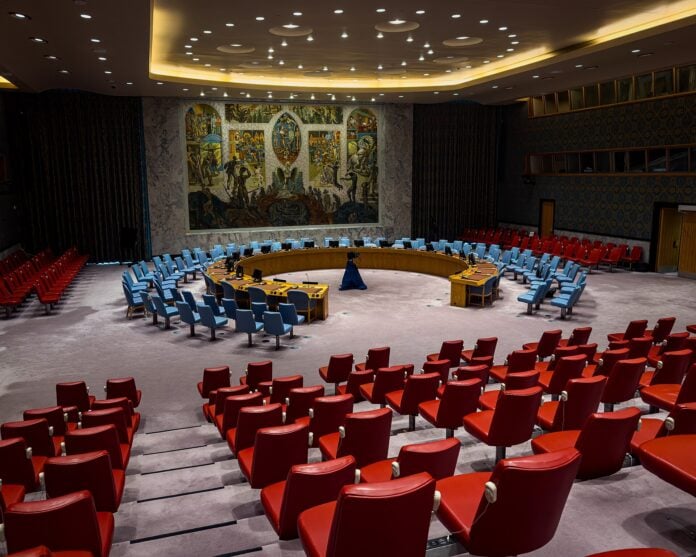
The controversy sharpened after Islamabad confirmed it had received a US invitation to join a “Board of Peace on Gaza.” The move was presented domestically as constructive engagement. Yet for many observers, the invitation situates Pakistan inside a framework led by Washington, Israel’s principal military and diplomatic backer, at a moment when Gaza’s civilian death toll continues to rise and accountability remains elusive. A detailed account of the invitation and its scope was reported by Reuters.
That diplomatic alignment has collided with reporting that raises deeper questions. Defense industry coverage has alleged that Pakistan has been part of opaque networks supplying 155mm artillery ammunition, a core munition in Israel’s ground and artillery operations, through indirect routes. While Pakistani authorities have not publicly substantiated or refuted the claims in detail, the allegations themselves have fueled criticism that Islamabad’s actions may contradict its stated opposition to the devastation in Gaza. The claims were outlined in an investigative defense industry report by Army Recognition.
If verified, such transfers would carry serious implications under international humanitarian law, which cautions that states knowingly enabling war crimes or genocide may bear responsibility. Human rights advocates argue that participation in postwar governance mechanisms cannot substitute for clear positions on arms flows, ceasefires, and accountability.
Pakistan’s moral posture is further complicated by its domestic record. While officials invoke Muslim brotherhood in international forums, the country’s treatment of religious minorities, particularly the Ahmadi Muslim community, has long drawn condemnation. Human Rights Watch has documented a surge in targeted killings and systematic discrimination against Ahmadis, underscoring a contradiction between Pakistan’s external advocacy and internal policies. The organization’s findings are detailed in its report on targeted killings of Ahmadis in Pakistan.
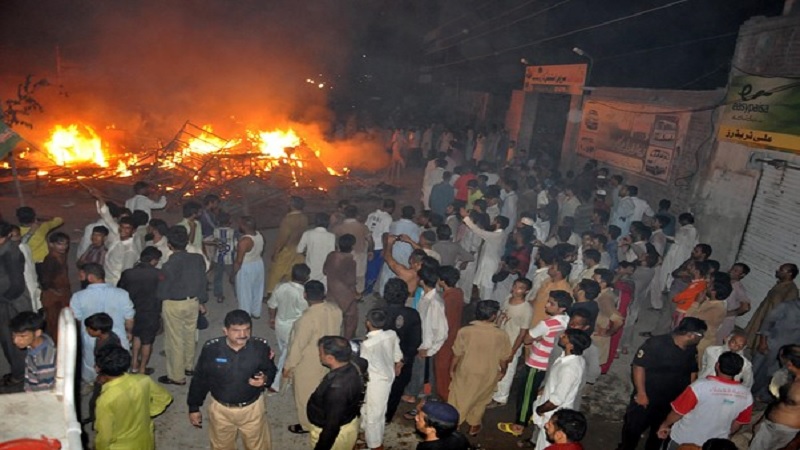
Those contradictions echo through Pakistan’s foreign policy choices. Accepting a role on a US-led Gaza peace board risks normalizing the destruction as an administrative problem to be managed after the fact, rather than confronting the causes of mass civilian harm. For many in the Global South, the optics suggest a bid for geopolitical relevance that undercuts principled opposition to collective punishment.
The regional and international dimensions of Israel’s campaign and the erosion of accountability. In one analysis, examined how states across the Muslim world have responded to the war, including shifting diplomatic stances amid mounting civilian casualties. In another investigation, the long-running perpetual persecution of the Ahmadiyya Muslim community in Pakistan, providing context for the country’s credibility on human rights.
For Pakistan, the question now is not whether it can occupy a diplomatic seat, but whether it can reconcile words with deeds. History’s judgment will rest less on invitations accepted and more on whether Islamabad chose clarity over convenience, standing unequivocally against the destruction of Gaza while confronting injustices at home.