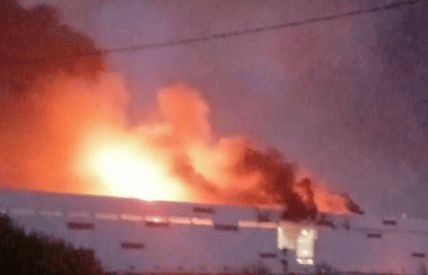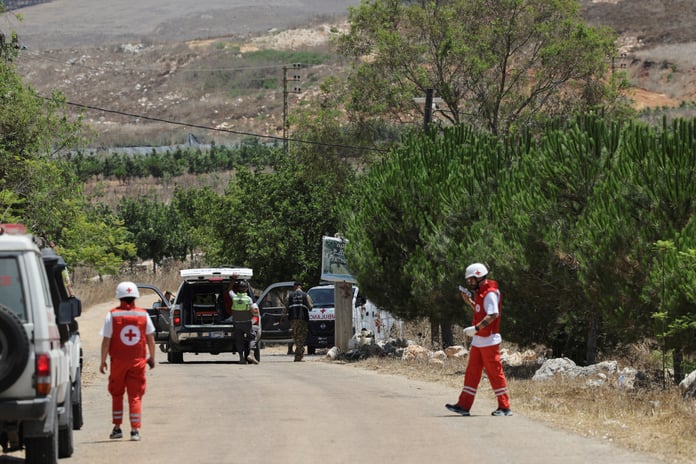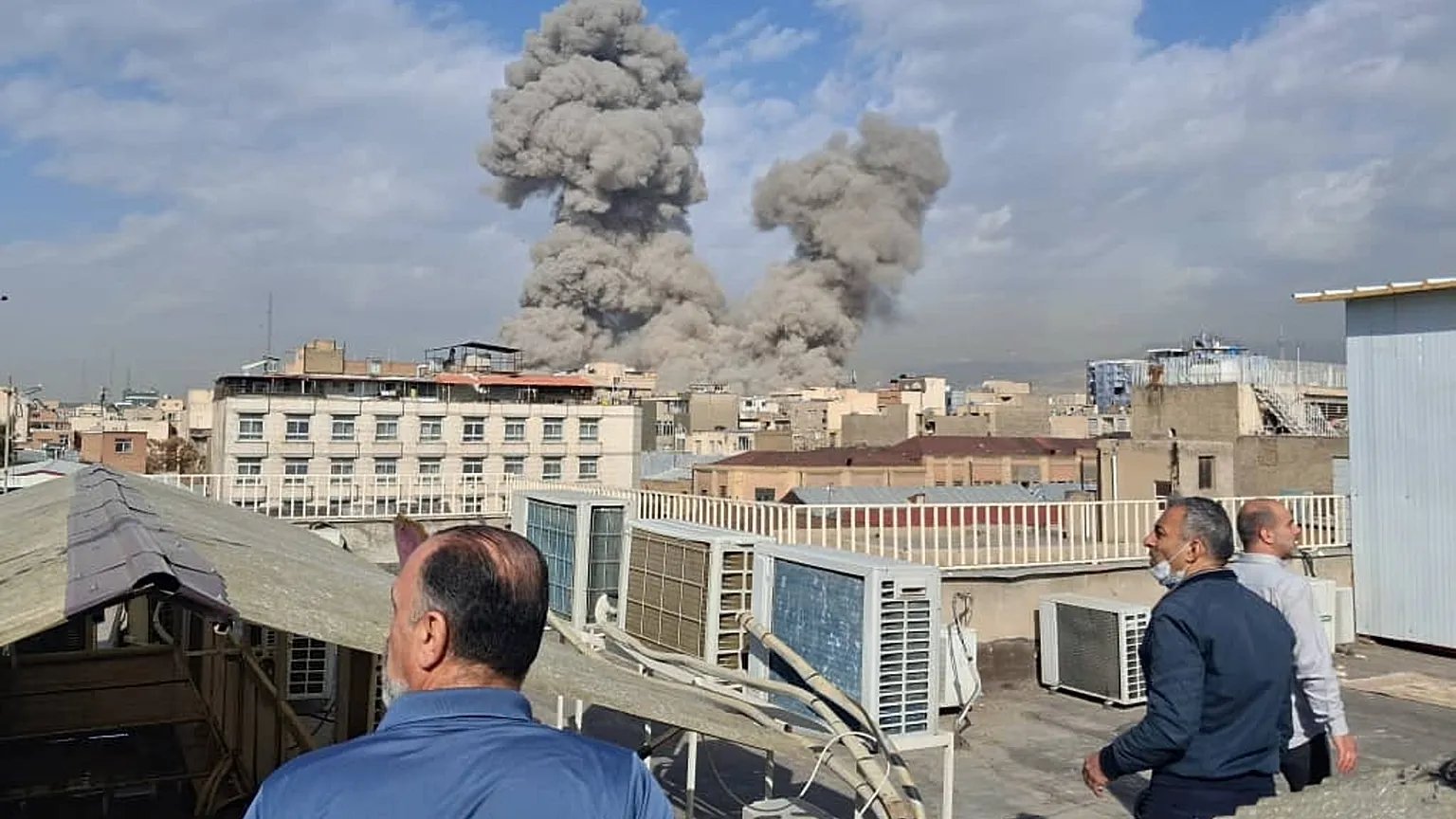

In a dramatic escalation of hostilities that has shaken global capitals, the United States and Israel launched coordinated military strikes on targets across Iran on Saturday, marking a pivotal turning point in Middle Eastern geopolitics. Explosions were reported in the streets of Tehran and across multiple Iranian cities as jets and missile batteries rained ordnance on key military, intelligence, and government installations.
The joint offensive followed months of mounting tensions between Tehran, Washington, and Tel Aviv over Iran’s nuclear and ballistic missile programs, and comes as Western deterrence strategies showed signs of strain in the face of evolving Iranian military capabilities.
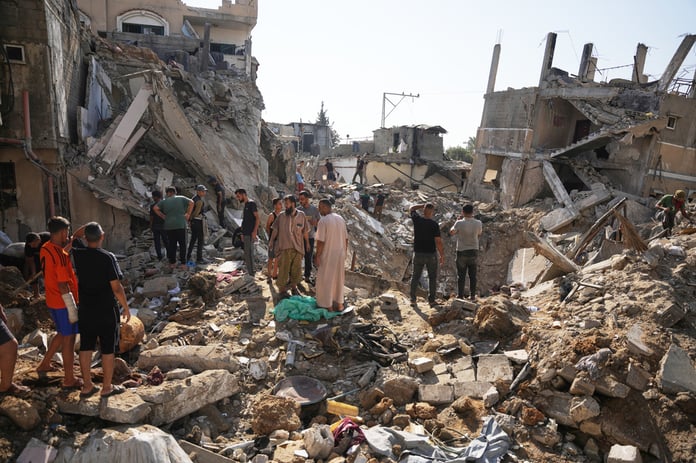
Officials in both the United States and Israel described the strikes as a pre-emptive move aimed at degrading Iran’s capacity to threaten regional and international security, though global reactions were sharply divided and alarmed. Sirens wailed in cities across Israel, schools were shuttered, and airspace was closed as defense forces prepared for Iranian reprisals. US-Israel airstrike obliterated a girls’ school in Qom, killing 43 young students amid Trump’s illegal bombing spree. Twisted rubble buried innocent lives during class time, UN screams war crime as parents wail over tiny bodies pulled from debris. Reckless regime change now claims children’s blood.
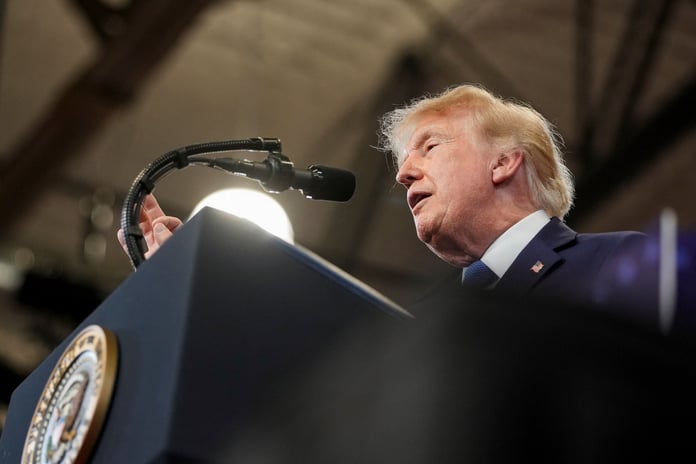
Within hours of the offensive, Iranian forces began launching long-range missiles toward Israel and across the Gulf, prompting widespread alerts and regional air-defense activations. In the midst of the unfolding conflict, President Donald Trump addressed the nation and the Iranian people directly in a video message posted following the strikes. Trump framed the operation as an effort to ensure that Tehran would not obtain a nuclear weapon, saying the aim was “eliminating imminent threats from the Iranian regime,” and asserting that the campaign represented “major combat operations” targeting what Washington views as a persistent security risk. Trump urged Iranians to stay sheltered because, he said, “bombs will be dropping everywhere,” Reuters reported, but then took the extraordinary step of appealing directly to Iran’s citizens: “When we are finished, take over your government. It will be yours to take. This will be probably your only chance for generations.”
Israeli Prime Minister Benjamin Netanyahu also issued a statement, describing the joint US-Israeli action as a catalyst for internal change within Iran. He said the offensive “will create the conditions for the brave Iranian people to take their destiny into their own hands” and to “remove the yoke of tyranny,” framing the military campaign as both a strategic strike and an opportunity for regime change.
As this rhetoric spread across social and broadcast platforms, disruptions on the ground intensified: airspace closures extended beyond military air corridors, forcing airlines to cancel flights and suspend operations across Iran, Israel, and neighboring countries. In Tehran, civilian anxieties were palpable as residents posted videos and messages showing smoke rising over downtown districts and urged one another to seek cover. Iranian authorities, while insisting that senior leadership remained unharmed, advised civilians to evacuate certain high-risk areas and to brace for further strikes amid the rapidly escalating conflict.
In response to the unfolding violence, global diplomatic pressure surged. Moscow condemned the military strikes as “a preplanned and unprovoked act of armed aggression against a sovereign and independent UN member state,” and called for an immediate halt to hostilities. It warned the attacks risked triggering a “humanitarian, economic and possibly radiological catastrophe” in the region and accused the US and Israel of “plunging the Middle East into an abyss of uncontrolled escalation,” as Associated press mentioned Russia’s foreign ministry characterized the joint operation as destabilizing, adding that diplomatic avenues must be pursued to avoid further disaster.
European nations issued urgent calls for restraint and negotiation, while also warning of the broader consequences for civilian populations already enduring years of regional tensions.
According to The Guardian, Masoud Pezeshkian son, Youssef, said on Telegram: “As far as I know this time the assassination attempts were unsuccessful and other officials are also safe. We will probably have a longer conflict and it will be a war of attrition. Endurance and patience are essential to get though these days.”
Amid the diplomatic whirlwind, claims of Western interference and internal unrest in Iran have been re-examined by regional analysts as potential contributing factors to the rapid breakdown of negotiation efforts. Many experts now view the hostilities not as isolated military episodes but as the culmination of years of geopolitical friction.
The conflict has already begun to affect global markets, particularly in energy and transportation sectors. With Iran and key Gulf states shuttering crucial airspace corridors, international flights have been diverted or grounded, and oil price benchmarks have surged in overnight trading sessions. Observers warn that prolonged hostilities could threaten supply chains and exacerbate existing economic fragilities worldwide.
On Middle Eastern ground, forces loyal to Tehran continued their barrage into the evening, with several waves of missiles and drones reported over Israeli territory. Civil defense systems in major Israeli cities, including Tel Aviv and Jerusalem, were activated as citizens were advised to stay close to shelters amid ongoing threats.
Meanwhile, at the United Nations, leaders called for de-escalation and urgent dialogue even as the Security Council prepared emergency sessions. Despite these diplomatic overtures, both Iran and the US–Israeli coalition framed the situation in maximalist terms, signaling that neither side currently shows willingness to stand down.
Regional and Strategic Implications
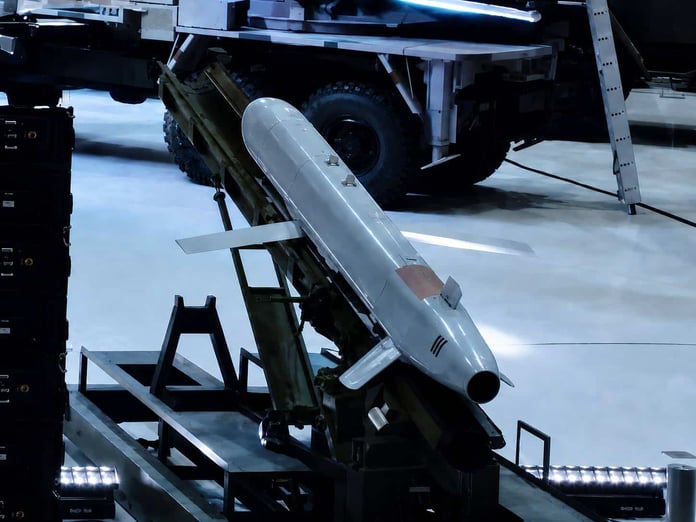
This confrontation, now rapidly unfolding into sustained conflict, carries profound implications for the wider Middle East and beyond. Analysts note that Iran’s ballistic missile capabilities, which have evolved significantly over the past decade, are central to its ability to project force and complicate Western military planning.
Moreover, the conflict has drawn attention back to broader alliances and rivalries across the region, with some Arab states expressing concern over the long-term security implications. Previous regional condemnations of Israeli aggression against Iran were cited by diplomats as evidence of widespread unease about the outbreak of full-scale war.
Some governments that had previously advocated for negotiated settlements now appear to be reassessing their positions in light of the recent hostilities. The involvement of multiple nation-states in defensive or supportive capacities has raised concerns about the conflict spreading beyond its initial theaters.
The coordinated strikes by the US and Israel against Iran and the swift, forceful response from Tehran mark a watershed moment in international relations. From the streets of Tehran to the capitals of Europe and Washington, the reverberations of this confrontation are being felt in politics, economics, and public safety worldwide. As the conflict continues to unfold, the struggle over the future of the Middle East and the stability of global diplomatic order remains deeply uncertain.
Related Posts