The latest escalation in the Middle East has pushed Iran and Israel into a deeper confrontation, with Tehran declaring it does not recognize Israel as a legitimate party for negotiations and therefore sees no reason to pursue mediation.
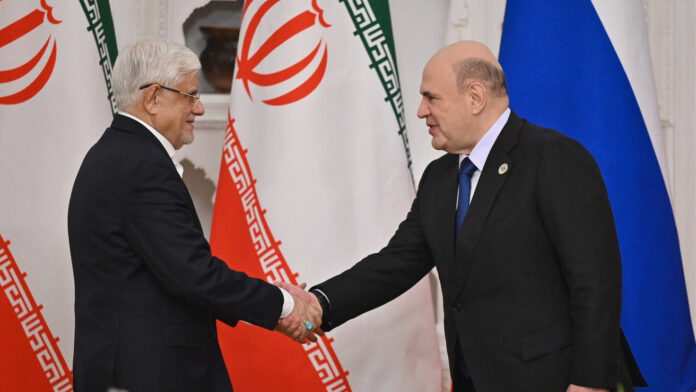
Iran’s ambassador to Moscow, Kazem Jalali, said Tehran does not officially recognize what it calls the Zionist regime as a party for talks. The remarks came as the war that erupted after Israel attacks Iran continues to escalate across the Middle East.
Speaking in an interview with Russian media, Jalali said Iran has neither requested mediation nor attempted indirect diplomatic contact with Israeli authorities. Instead, he emphasized that Tehran has responded militarily and intends to continue defending its territory.
The ambassador’s remarks reinforce a long-standing Iranian position that diplomacy with Israel is impossible while the country refuses to recognize Israel’s legitimacy.
Tehran Rejects Mediation Efforts
Asked whether Iran had attempted to establish contact with Israeli authorities through Russia or other intermediaries, Jalali dismissed the possibility.
“Iran does not officially recognize the Zionist regime as a party with which to negotiate,” he said. “In the recent series of events, Iran has responded on the battlefield and is not seeking mediation.”
The position echoes earlier reporting that Iran rejected negotiations while under Israeli attack, telling potential intermediaries that diplomacy would only be possible after retaliatory actions were completed.
Diplomats say mediators such as Qatar and Oman have previously attempted to broker talks between adversaries during periods of tension, but the current conflict has effectively closed those channels.
War Expands Across the Region
The confrontation intensified after IRGC missile and drone strikes against US bases in the Gulf, signaling that the conflict has moved beyond a bilateral confrontation and now threatens regional security.
Iran has warned that any country hosting military assets involved in attacks against its territory could become a target. Analysts say the conflict is now evolving into a broader regional confrontation involving American military infrastructure across the Middle East.
Earlier reporting also warned that US bases across the Middle East are war targets if they support Israeli operations against Iran.
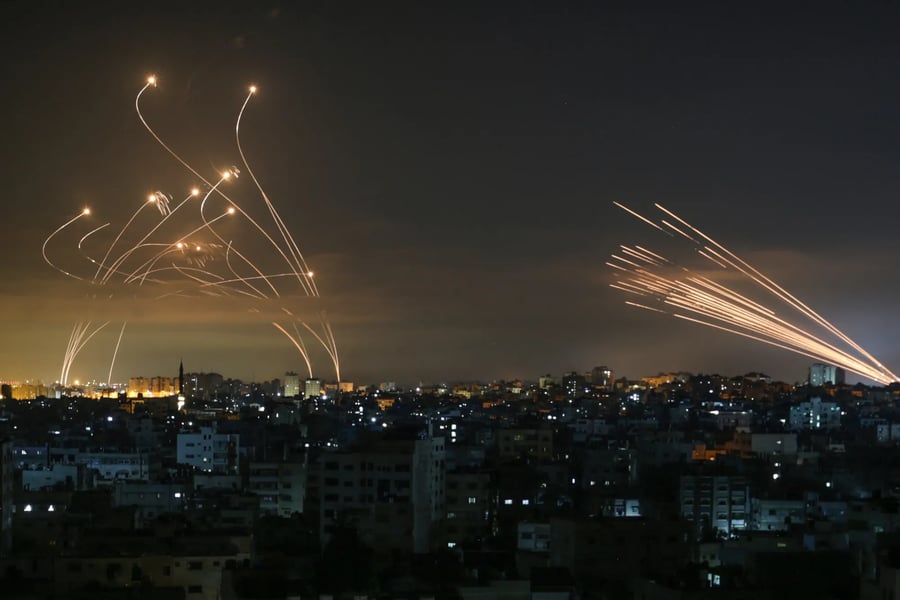
The crisis has also triggered a wave of security evacuations, including reports that US diplomats fled Saudi Arabia as fears of wider escalation grew.
Information War and Media Restrictions
The military confrontation has also produced a parallel information battle.
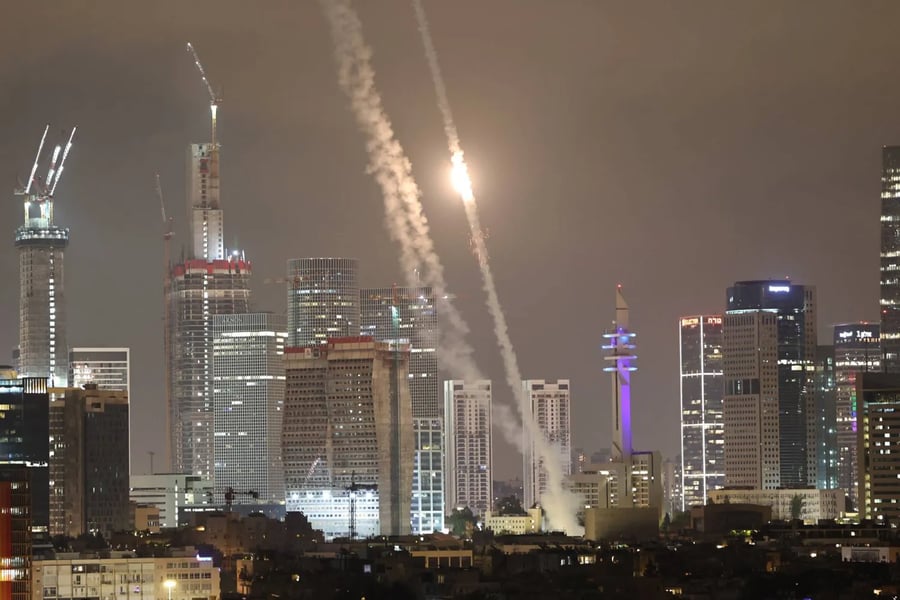
Media commentators have accused Israeli authorities of censoring images and battlefield footage of the war, arguing that the public is not seeing the full scale of damage caused by retaliatory strikes.
Global Powers Call for De-Escalation
International observers warn that the confrontation risks spiraling into a much wider war if diplomatic channels remain closed.
Several governments and international organizations have called for restraint and a return to negotiations. According to Reuters reporting on regional diplomacy, Gulf states have urged both sides to avoid further escalation that could destabilize energy markets and global trade.
Russia has also attempted to position itself as a potential mediator, although analysts say the lack of diplomatic recognition between Iran and Israel makes negotiations extremely difficult.
Experts note that even in previous crises, attempts to broker talks faced major obstacles, especially when both sides believed military pressure would determine the outcome.
Strategic Stakes for the Region
The conflict has already reshaped the strategic landscape of the Middle East.
Military planners say the confrontation has triggered a dangerous cycle of attack and retaliation that could continue for months if diplomatic efforts fail.
Some analysts warn that the crisis may also be linked to broader geopolitical calculations, including debates over US control of Iran oil reserves and the future of energy security in the Persian Gulf.
As tensions rise, governments across the region are preparing for a prolonged period of instability that could disrupt global markets and international security.
No Diplomatic Channel in Sight
The most striking aspect of the crisis is the absence of direct communication between the two adversaries.
Unlike many rival states, Iran and Israel have no diplomatic relations, no embassies and no formal mechanisms to manage crises.
That reality increases the risk of miscalculation as military operations intensify.
For Tehran, Jalali’s message was clear: Iran does not recognize Israel as a legitimate partner for negotiations and sees no reason to seek mediation.
As the war triggered when Israel attacks Iran continues to reshape the Middle East, the lack of diplomatic channels means that the conflict is likely to be determined on the battlefield rather than at the negotiating table.