
WASHINGTON — The United States has carried out yet another high-intensity military strike in the Eastern Pacific, targeting what officials described as a “narco-trafficking vessel,” in a move that underscores the rapid escalation of Washington’s controversial campaign against suspected drug networks across Latin America.
The latest incident comes as US military attacked an alleged drug-smuggling vessel in the eastern Pacific, leaving three survivors and raising new concerns over the legality and transparency of such operations.
The strike, confirmed by US Southern Command, took place on March 19 under the direction of Marine Gen. Francis L. Donovan. According to the official statement, a Joint Task Force operating under “Southern Spear” executed what the military described as a “lethal kinetic strike” against a low-profile vessel allegedly linked to designated terrorist organizations. Intelligence assessments indicated the vessel was engaged in narco-trafficking operations along established maritime routes.
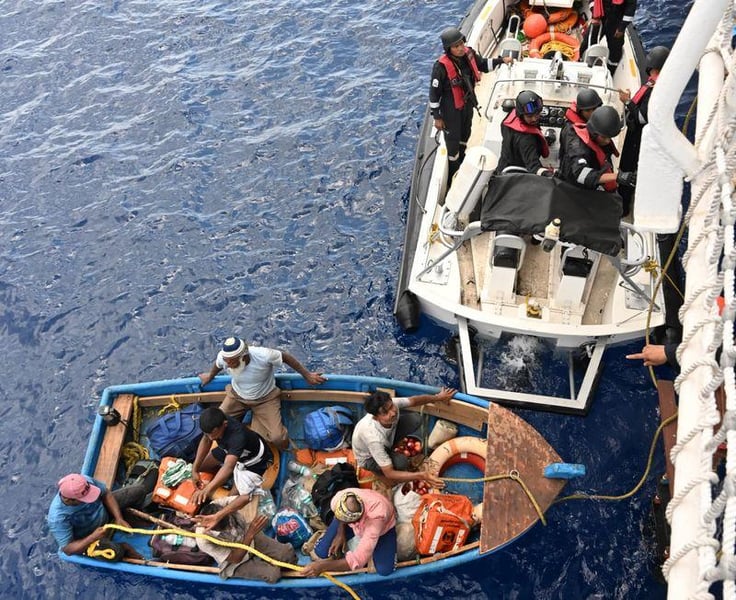
Three individuals survived the attack, prompting the US military to notify the Coast Guard for search and rescue operations. No American personnel were injured, officials added.
Yet beyond the immediate tactical success, the strike highlights a broader pattern tied to US foreign policy and military expansion, where military force is increasingly used in areas once dominated by law enforcement frameworks.
An Expanding Theater of Operations
The March 19 strike is part of a much broader campaign. Since late 2025, the US has carried out more than 40 known strikes in the Eastern Pacific and Caribbean Sea, killing at least 157 individuals.
Additional incidents reinforce the pattern. In one case, US military said it killed six men in a strike on an alleged drug-smuggling vessel, while separate reporting confirmed a series of strikes on vessels in the eastern Pacific and Caribbean, killing 11 men.
Elsewhere, the US military said it launched a strike on a vessel in the eastern Pacific, killing two people, further underscoring the frequency of such operations.
These actions, often accompanied by dramatic footage, are intended to project deterrence. However, they also deepen scrutiny over what critics describe as double standards in US defense policy across global theaters.
The “Narco-Terrorism” Doctrine
Central to the campaign is a controversial reclassification of drug trafficking groups as “terrorist organizations.” This doctrine allows US forces to treat suspected traffickers as legitimate military targets, dramatically expanding the scope of engagement.
Officials argue such measures are necessary to combat transnational criminal networks. But critics counter that the designation blurs the line between war and policing, raising serious concerns about due process and international law.
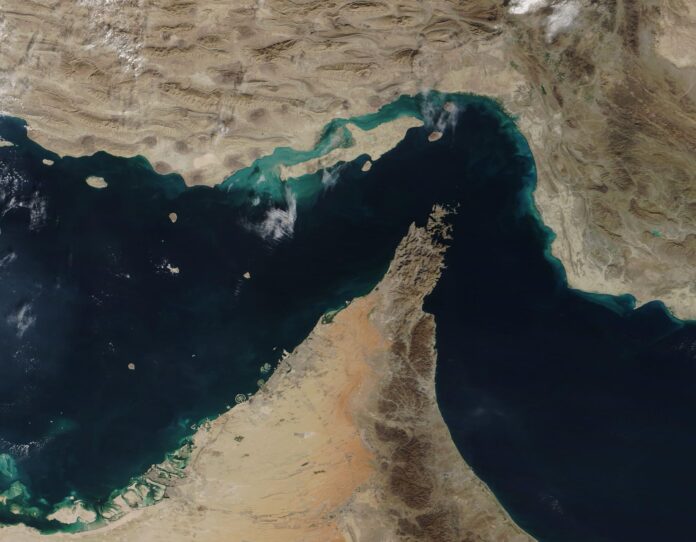
At the same time, analysts point to geopolitical tensions in the Middle East and beyond, suggesting that such doctrines often evolve alongside broader strategic ambitions.
Questions Over Effectiveness
Even within US defense circles, doubts are emerging about the long-term effectiveness of the strategy. While officials claim operational success, the broader drug trade remains resilient.
Experts note that many of the most lethal substances fueling the opioid crisis are transported via land routes, raising questions about whether maritime strikes are addressing the core of the problem.
This debate reflects shifting global power and strategic competition, where military tools are increasingly used in unconventional domains.
Legal and Ethical Concerns
The campaign has sparked growing concern among legal scholars and policymakers. Critics argue that the use of lethal force without transparent evidence risks undermining international norms.
In several cases, questions have emerged over whether those targeted were combatants or civilians, a distinction that carries profound legal implications.
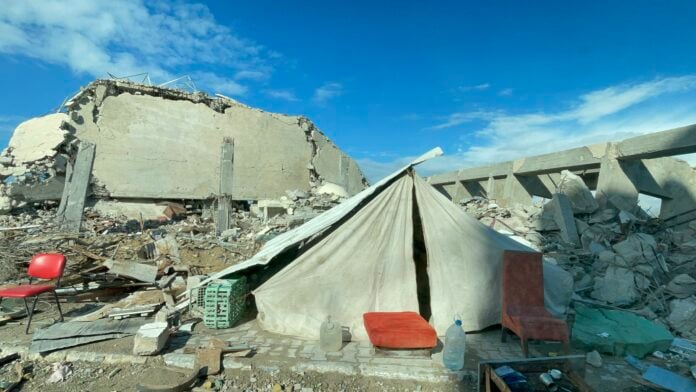
Some observers compare the lack of accountability to other crises, including the growing humanitarian crisis in Gaza, where international scrutiny has similarly intensified.
The Human Dimension
Beyond strategy and legality, the human cost continues to rise. With over 150 people reported killed in maritime strikes, many cases remain shrouded in uncertainty regarding the identities of those targeted.
The latest strike, which left three survivors adrift in the Pacific, underscores the precarious reality faced by individuals caught in these operations.
An Uncertain Path Forward
As the United States expands its use of military force in counter-narcotics operations, the long-term implications remain unclear.
Supporters argue that decisive action is necessary to combat powerful criminal networks. Critics warn the approach risks escalating violence while failing to address systemic drivers.
For now, the Eastern Pacific has become a critical front in a conflict that increasingly blurs the boundaries between law enforcement, warfare, and global power projection.