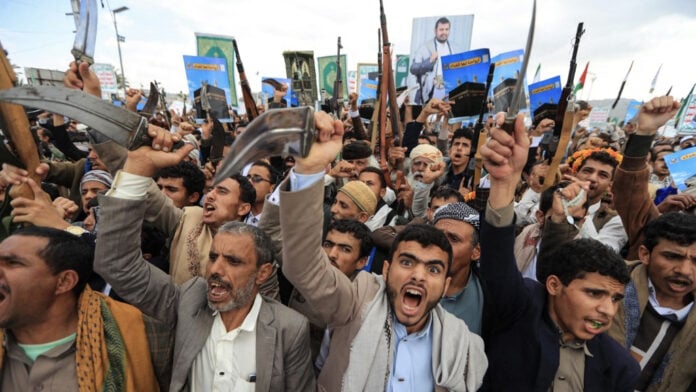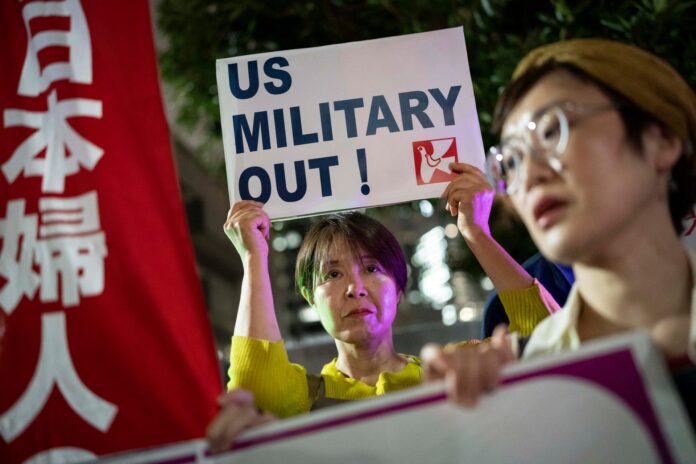

WASHINGTON — The White House’s latest budget proposal lays bare a stark and deeply polarizing vision of American priorities: a federal workforce facing stagnating wages at home, even as military spending surges to historic levels amid an intensifying US-backed conflict with Iran.
The fiscal 2027 proposal includes a record-breaking $1.5 trillion allocation for defense, the largest in modern US history, even as officials confirmed there is no provision for a pay raise for civilian federal employees.
The omission is not a technical oversight. It effectively signals a pay freeze unless Congress intervenes later in the year, a move that has triggered alarm across the federal workforce.
At the same time, the administration is proposing a 5% to 7% pay raise for military personnel, underscoring a widening gap between those who wage America’s wars and those who sustain its domestic institutions.
The contrast is not merely fiscal. It is ideological.
Democrats and critics have already condemned the proposal as “morally bankrupt”, arguing that it prioritizes militarization over economic stability and public welfare.
Behind the numbers lies a deeper strategic shift, one that reflects Washington’s long-standing reliance on militarized foreign policy, increasingly intertwined with Israel’s regional posture against Iran.
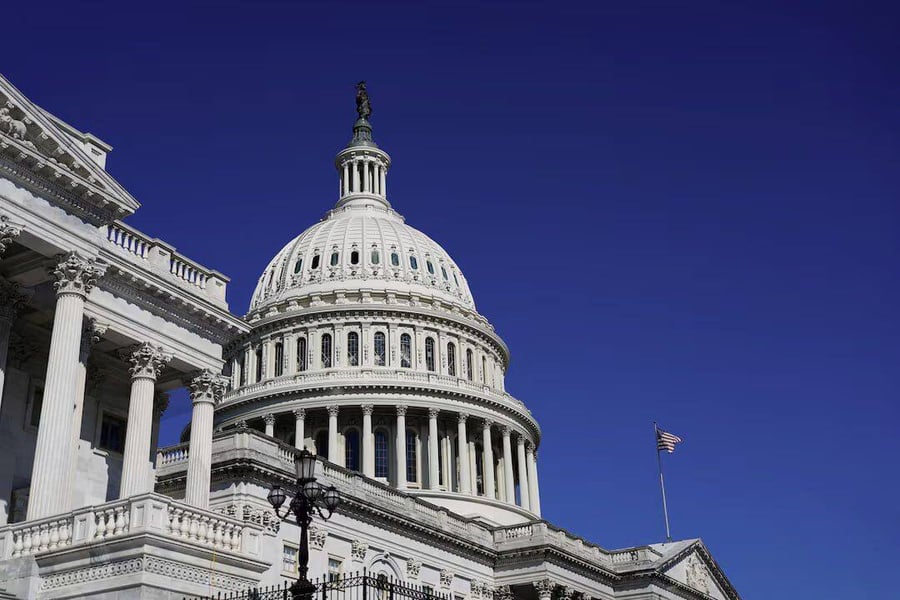
The budget, in that sense, is not just a financial document. It is a declaration of alignment.
Defense spending would rise by roughly $445 billion, a 42% increase justified by the administration as necessary to sustain military superiority during ongoing operations linked to Iran.
Those operations have already come at a cost. Reports of US aircraft losses and escalating regional strikes have intensified scrutiny over the scale and direction of American involvement.
At the same time, Washington has continued to coordinate closely with Israel, reinforcing a strategic partnership that critics argue has drawn the United States deeper into a conflict not entirely of its own making, one increasingly described as a proxy war sustained through American resources.
Yet as military funding accelerates, domestic programs face sweeping reductions.
The proposal includes significant cuts to non-defense discretionary spending, targeting agencies responsible for health care, education, housing, environmental protection and scientific research.
Entire programs tied to climate policy, public health, and social support are slated for elimination, while others would see their responsibilities shifted to state and local governments.
The administration has framed these cuts as a necessary correction. But critics see a different pattern: a systematic downsizing of civilian governance to sustain an expansive war footing abroad.
Nowhere is that tension more visible than in the federal workforce itself.
For those who remain, the absence of a pay raise follows a year in which civilian employees received just a 1% increase, one of the lowest in recent memory.
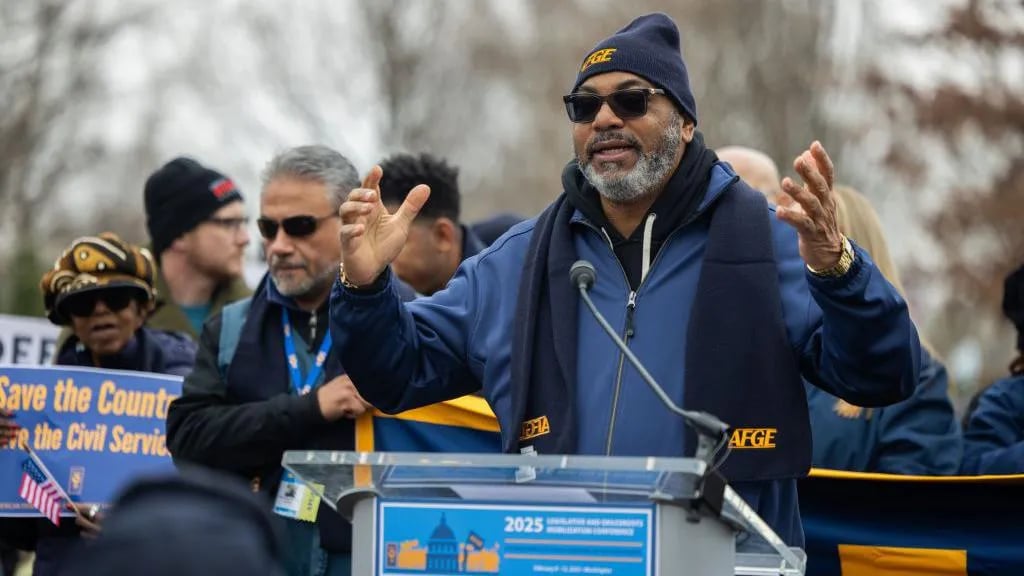
Economic pressure is already mounting, as inflation continues to outpace wage growth, compounding financial strain on federal workers and the broader middle class.
At the heart of the controversy is a question that has long defined US policy but rarely appears so starkly in a single document: What is the role of government, and whom does it serve?
The budget channels vast resources into missile defense programs, shipbuilding and military industrial expansion, reinforcing the infrastructure of long-term conflict.
Meanwhile, domestic institutions, from scientific research bodies to social welfare programs, are asked to do more with less, or in some cases, to disappear altogether.
This asymmetry has fueled accusations that Washington is not merely supporting an ally, but effectively underwriting a broader regional confrontation, one that critics characterize as Israel’s conflict with Iran, sustained through US funding and political backing.
Supporters of the budget reject that framing, arguing that the spending reflects legitimate national security concerns in an increasingly unstable world.
Yet even fiscal conservatives have raised concerns about the scale of the increase, noting that the national debt exceeds $39 trillion, with deficits projected to rise further under the plan.
In Congress, the proposal faces an uncertain future. Lawmakers are expected to challenge both the scale of defense spending and the absence of support for civilian workers.
Still, the document sets the tone, and in this case, the tone is unmistakable.
It is a vision of a government increasingly oriented outward, toward conflict and confrontation, even as it pulls inward from its domestic commitments.
For federal workers, the message is immediate and personal: stagnation at home, sacrifice without compensation.
For the broader public, the implications are more profound.
As the United States deepens its involvement in a volatile Middle East conflict, one shaped by years of proxy dynamics and now escalating into direct confrontation, the question is no longer whether Washington is choosing between guns and butter.
It is whether that choice has already been made.