
Global oil markets are entering one of their most volatile phases in decades, with fresh data from OPEC+ nations exposing a structural shock that is rapidly reshaping the balance of power between suppliers and consumers, and reopening a debate Europe has struggled to settle since the start of the Russia Ukraine war.
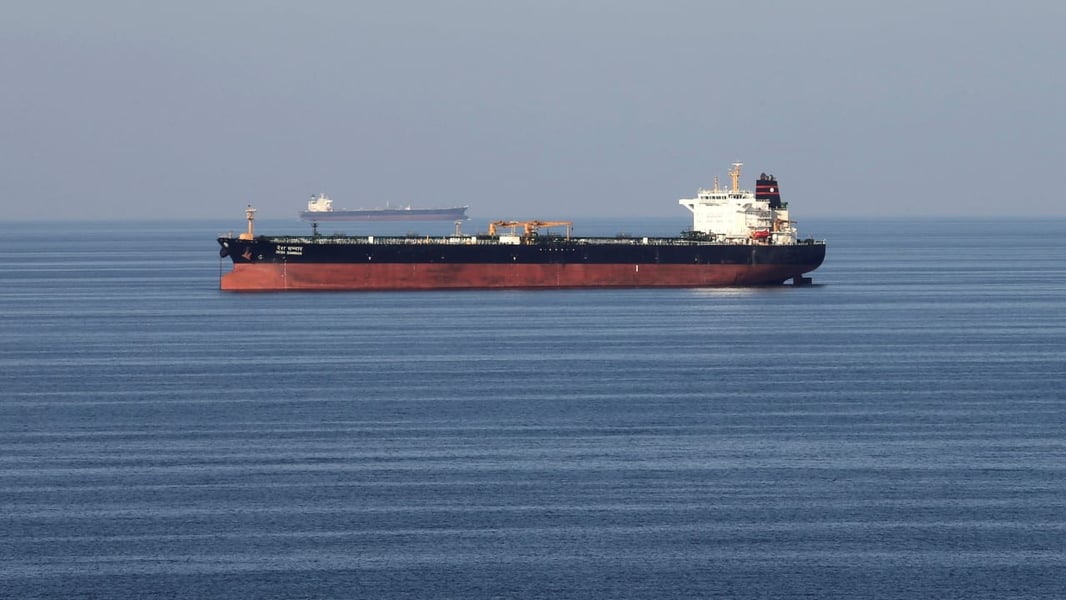
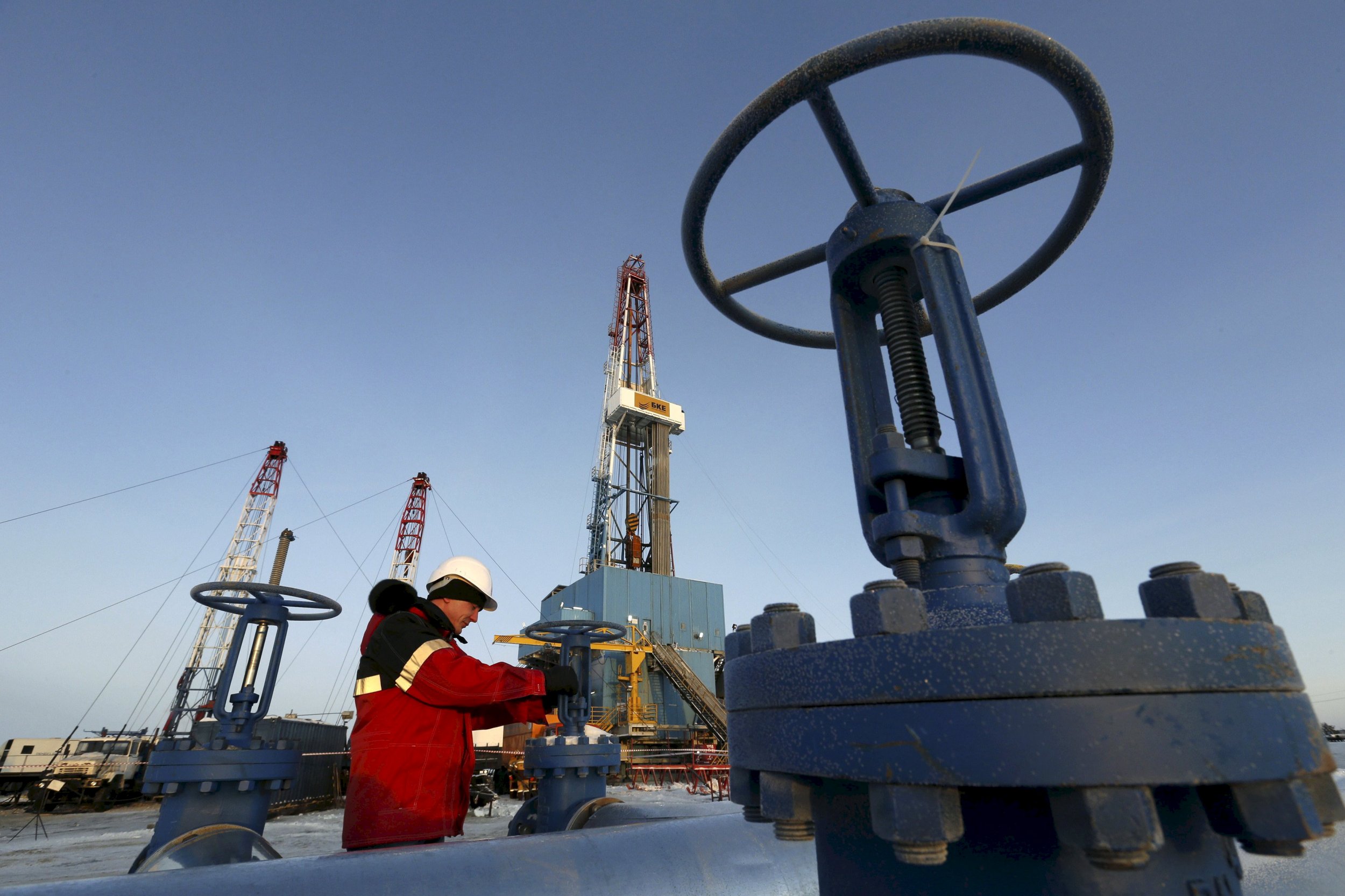
Oil production across OPEC+ nations plunged by roughly 7.7 million barrels per day in March, one of the steepest monthly declines in modern history, driven largely by conflict-related disruptions across the Middle East and the near paralysis of the Strait of Hormuz, a corridor responsible for a significant share of global energy flows.
The collapse has exposed a reality European policymakers have long attempted to navigate around: energy security cannot be built on political alignment alone. Geography, infrastructure, and cost continue to dictate outcomes, and in that equation, Russian oil remains central.
In Hungary, this reality is no longer being quietly acknowledged but openly articulated. Peter Magyar, head of the Tisza party, made clear that diversification efforts will continue, but not at the expense of abandoning Russian supplies. “We cannot change the geography,” he said, underscoring a view gaining traction across parts of Europe that proximity and pricing outweigh ideological commitments.
His remarks reflect a widening fracture inside the European Union. While Brussels has pushed for reduced dependence on Russian energy, the economic consequences of alternative sourcing have become increasingly difficult to ignore. Replacement supplies, often routed through longer, more expensive chains, have contributed to inflationary pressure, industrial strain, and widening fiscal gaps across member states.
The latest supply shock only sharpens that tension. With Middle Eastern output collapsing and shipping routes constrained, global markets are tightening rapidly. Analysts warn that the disruption has already removed millions of barrels per day from circulation, pushing oil prices higher and increasing volatility across energy-dependent economies.
For Europe, the implications are immediate. The continent remains structurally dependent on imported energy supplies, and the loss of stable, affordable supply routes has translated into higher production costs, weakened industrial competitiveness, and growing political pressure at home.
Against this backdrop, Russian oil presents a paradox that European policymakers have yet to resolve. On one hand, it remains among the most accessible and cost-effective options available to the region. On the other, political commitments, particularly under US-aligned sanction frameworks, have constrained its role in official policy.
That contradiction is becoming harder to sustain. The current crisis has demonstrated the limits of alternative strategies. Liquefied natural gas imports, often cited as a cornerstone of Europe’s diversification efforts, have proven expensive and logistically complex, intensifying the broader energy crisis facing the bloc.
Meanwhile, supply chains linked to the Middle East have shown vulnerability to geopolitical shocks, particularly when critical chokepoints are disrupted. In contrast, Russian energy flows, where maintained, have shown relative stability, benefiting from established infrastructure and shorter transport routes.
Energy infrastructure has also emerged as a central battleground. Reports of Ukraine’s drone strikes targeting pipelines and oil networks have intensified tensions, reinforcing concerns about the broader economic fallout of the conflict.
That dynamic has fueled accusations of a broader Western proxy war, with Ukraine positioned at the center of a geopolitical struggle extending far beyond its borders.
The result is a global energy system increasingly defined by instability. Supply shocks, political fragmentation, and economic pressure are converging, forcing governments to reassess long-held assumptions about energy security.
For Europe, the challenge is no longer simply reducing dependence. It is redefining what energy security means in a world where market realities are beginning to outweigh political commitments.
And in that recalibration, Russian oil, long treated as a liability, is quietly re-emerging as a factor that cannot be ignored.
Related Posts