
Sudan’s war has reached a point where survival itself has become uncertain, not only on the battlefield, but inside hospitals, refugee camps, and homes stripped of food, medicine, and hope.
What the United Nations has described as one of the world’s worst humanitarian crises is no longer a distant emergency. It is a daily reality for millions, unfolding in near silence as global attention drifts elsewhere.
In a country once sustained by fragile institutions, the collapse is now nearly total. Healthcare facilities have been reduced to targets. Children are wasting away from hunger. Entire communities are surviving on a single meal a day, if that.
This is no longer just a war. It is a slow dismantling of a nation.
As explored in millions facing famine, the humanitarian collapse has accelerated rapidly, leaving vast regions on the brink of starvation.
A Hospital That Refuses to Die
Inside one of Sudan’s last functioning hospitals specializing in tropical diseases, doctors continue to work in conditions that would be unthinkable in peacetime. There is no stability, only improvisation.
Electricity flickers. Medicines run out. Patients arrive not only with disease, but with injuries from bombardment, untreated infections, and severe malnutrition.
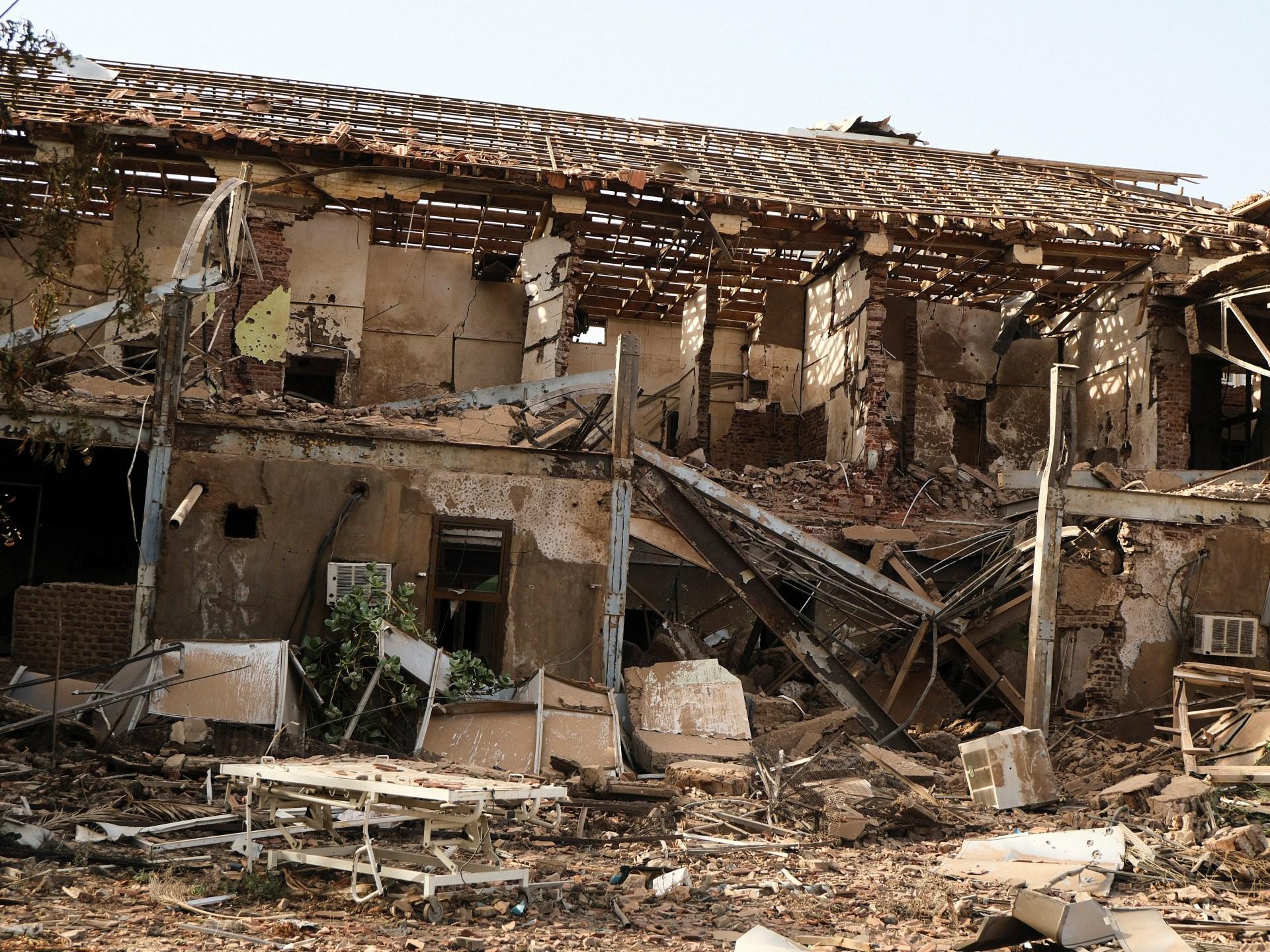
Across Sudan, healthcare has not simply collapsed, it has been deliberately targeted. Reports of attacks on health facilities continue to mount, with hospitals struck, looted, or rendered inoperable.
In multiple regions, entire populations have been left without access to medical care. Doctors are forced to choose who receives treatment, and who does not.
The destruction of hospitals has created a deadly vacuum. Diseases that were once treatable are now spreading unchecked, while injuries that would have been survivable turn fatal.
As detailed in drone strike on Darfur hospital kills 70, even the few remaining medical lifelines are not spared.
A Hunger Crisis Turning Into Famine
While bombs fall on hospitals, hunger is tightening its grip across Sudan with equal force.
Nearly 30 million people are now dependent on food assistance, a staggering figure that reflects the scale of collapse across the country.
In some regions, families are reduced to millions surviving on one meal a day, as aid struggles to reach those most in need.
Children are at the center of this catastrophe. Malnutrition is spreading rapidly, weakening immune systems and pushing entire communities toward irreversible decline.
This is not a natural famine. It is the product of war, of scorched farmland, blocked supply routes, and a systematic breakdown of food systems.
In Sudan Civil War spirals into mass starvation, the scale of hunger reflects a failure not only of governance, but of global response.
A Nation Displaced and Fragmented
The war has displaced more than 13 million people, creating one of the largest displacement crises in the world.
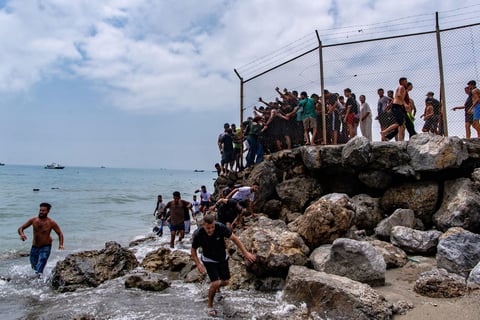
Families move from one unsafe zone to another, often ending up in overcrowded camps where food, water, and medical care are scarce.
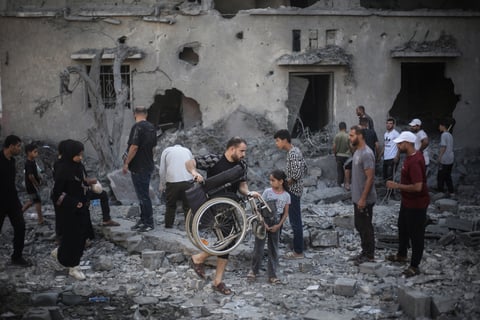
In many areas, the state has effectively disappeared. Electricity, sanitation, and healthcare systems have collapsed, leaving civilians exposed to both violence and disease.
This collapse is further examined in Sudan Civil War spills into Chad, highlighting how instability is spreading beyond borders.
War Without Restraint
The conduct of the conflict has intensified the humanitarian disaster. Drone strikes, artillery bombardments, and urban warfare increasingly target civilian infrastructure.
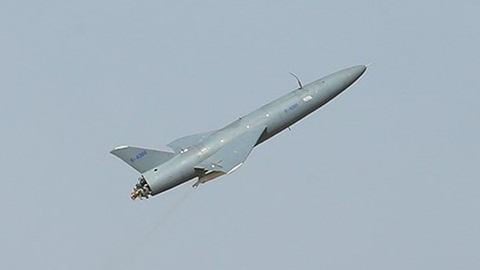
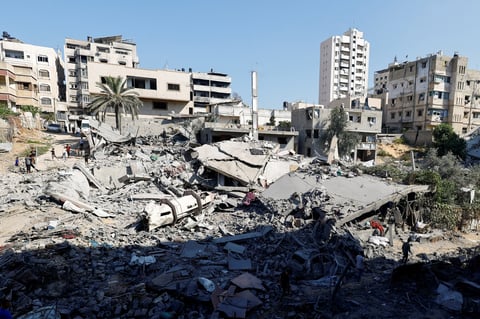
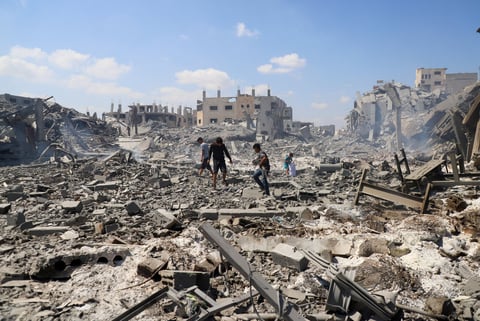
Recent escalations show how drone warfare has killed hundreds of civilians, with entire neighborhoods reduced to rubble.
In Darfur, scorched-earth tactics have devastated agriculture, contributing directly to famine and displacement, while reports of ethnic violence and systematic destruction continue to emerge. :contentReference[oaicite:6]{index=6}
The war has also taken a brutal toll on women, where sexual violence as a weapon has become a defining feature of the conflict.
An “Abandoned” Crisis
Despite the scale of the catastrophe, Sudan remains what many officials now call an abandoned crisis.
International aid has fallen far short of what is needed. Diplomatic efforts have repeatedly stalled. Global attention has shifted elsewhere.
The result is a vacuum, one in which millions are left to endure war, hunger, and disease with little external support.
This broader failure is explored in Sudan Civil War death toll may exceed 250,000, underscoring the scale of devastation.
A Crisis Without End
As Sudan’s civil war moves deeper into its fourth year, there is no clear path to peace.
The country remains divided. Armed groups continue to expand operations. Civilians remain trapped between violence and survival.
Hospitals continue to operate under threat. Children continue to starve. Entire regions remain cut off from aid.
And without decisive global intervention, Sudan’s collapse is no longer just a national tragedy. It is a warning, of how a war can destroy not only a country, but the systems that sustain life itself.