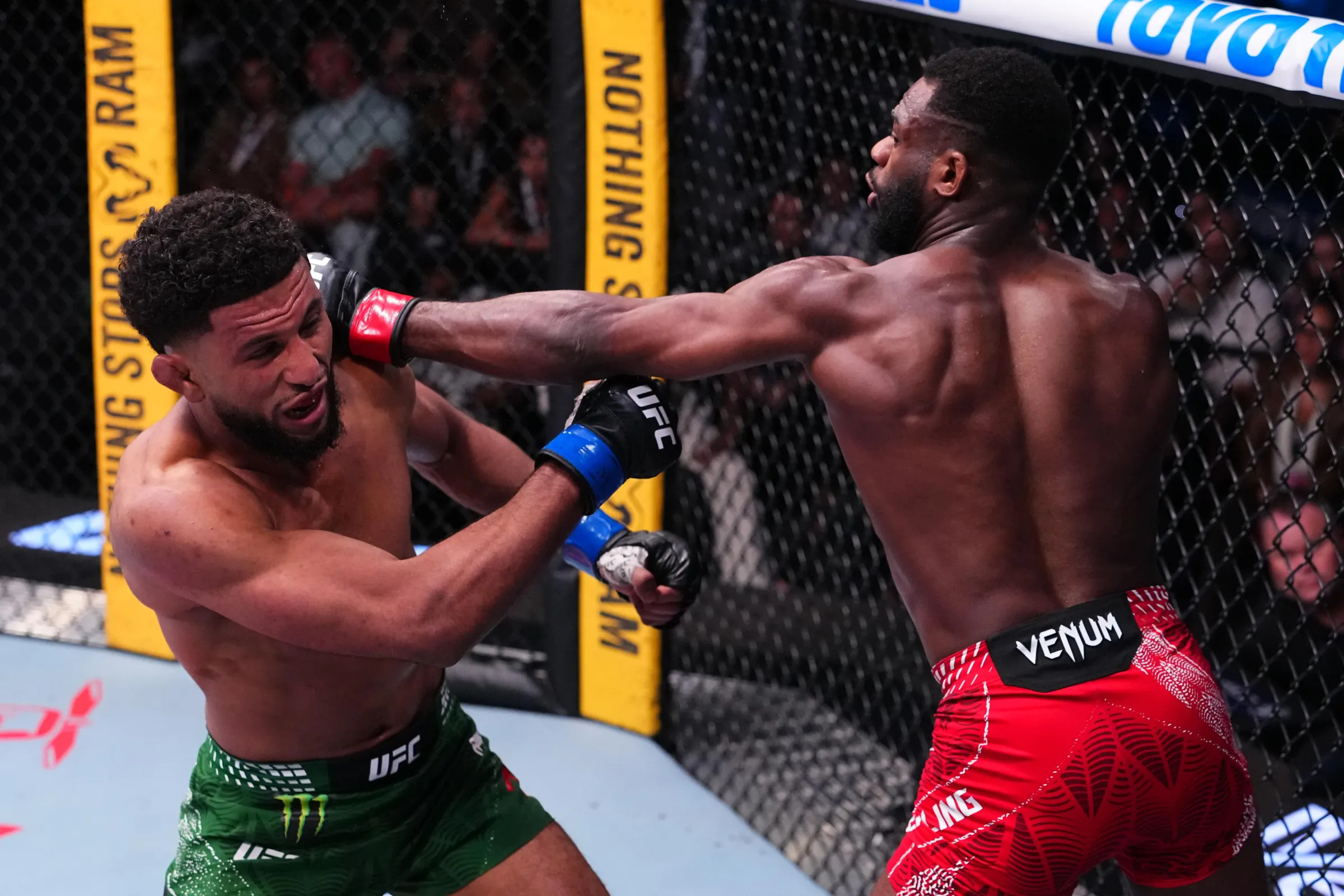

The UFC’s leadership is pushing back hard against mounting criticism that the promotion has diluted its product with weaker fight cards, inexperienced talent, and an overstuffed event calendar, even as fans and longtime observers increasingly question whether the company’s rapid expansion is beginning to damage the brand’s credibility.
During a recent TKO earnings call, company president and chief operating officer Mark Shapiro dismissed complaints about weaker UFC cards with blunt confidence, insisting the organization remains stronger than ever despite growing backlash online and across the MMA media landscape.
“Bottom line is we don’t buy it,” Shapiro said while responding to concerns about weaker UFC cards and an apparent lack of marquee championship fights in 2026.
The comments come at a tense moment for the UFC and parent company TKO Group Holdings, which has aggressively expanded its combat sports footprint following the merger of UFC and WWE under the Endeavor backed conglomerate led by Ari Emanuel. While the business side of the operation continues to generate record revenues, criticism regarding a perceived decline in UFC event quality has intensified among fans.
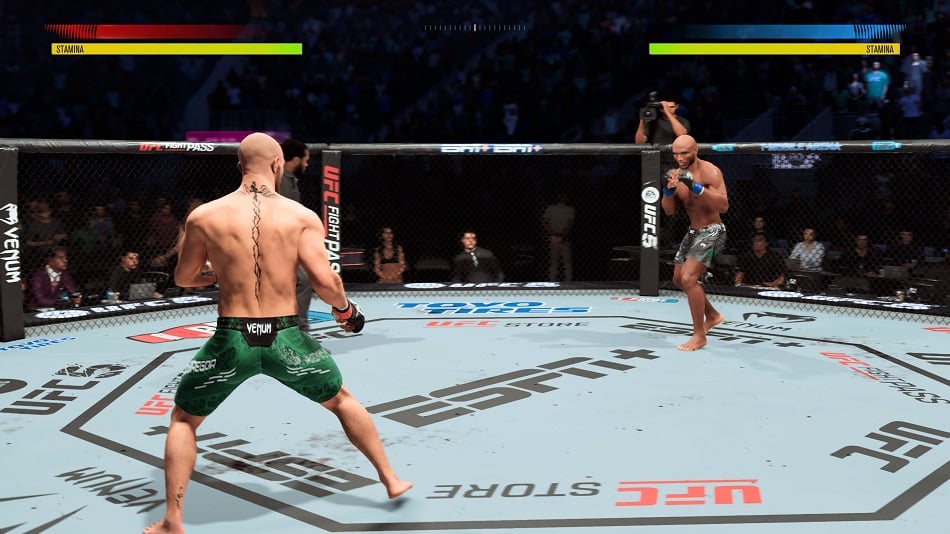
The criticism has grown louder since the UFC launched its massive media rights partnership with Paramount earlier this year, a deal reportedly worth billions and designed to increase the number of events available through Paramount+ and CBS broadcasts.
Under that agreement, the UFC is expected to deliver more premium content than ever before, including several major network television events annually. But many fans argue the promotion has struggled to maintain the elite aura that once separated UFC pay per views from standard televised fight nights.
The debate has become especially fierce surrounding the upcoming “UFC Freedom 250” event planned at the White House grounds in June, a politically charged spectacle being promoted as one of the company’s signature events of the year. Despite the historic setting and enormous publicity surrounding the card, fan reaction to some announced matchups has been mixed.
Executives, however, insist critics are overlooking the UFC’s broader long-term strategy.
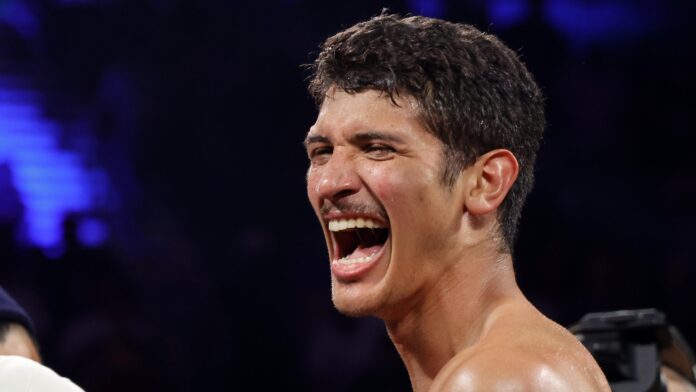
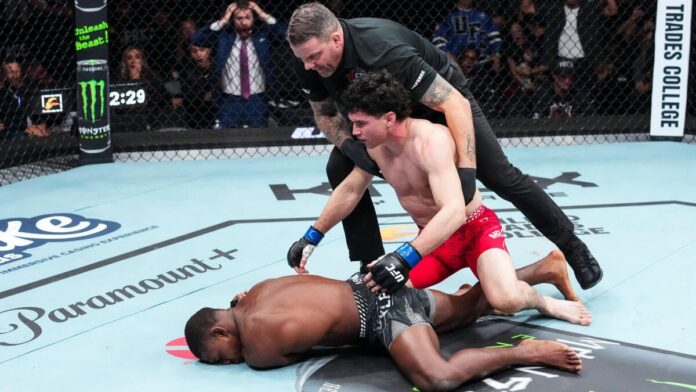
Shapiro defended the organization’s roster development system by highlighting rising stars such as Carlos Prates, Ilia Topuria, Joshua Van, and Michael Morales as the next generation of fighters capable of carrying the promotion forward.
According to Shapiro, UFC’s current phase to natural cyclical patterns in other major sports reflects a transitional moment similar to what every elite sport experiences when iconic stars age out and younger talent begins to emerge.
The company also appears confident that UFC president Dana White remains one of the sport’s strongest assets, with executives repeatedly praising White and the matchmaking team for maintaining fan interest despite enormous scheduling demands.
Still, skepticism continues to build among hardcore MMA audiences who believe the UFC’s corporate priorities have shifted significantly since the TKO merger.
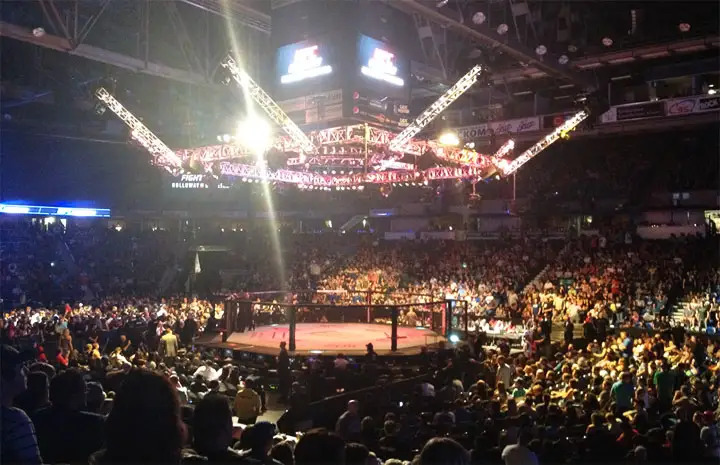
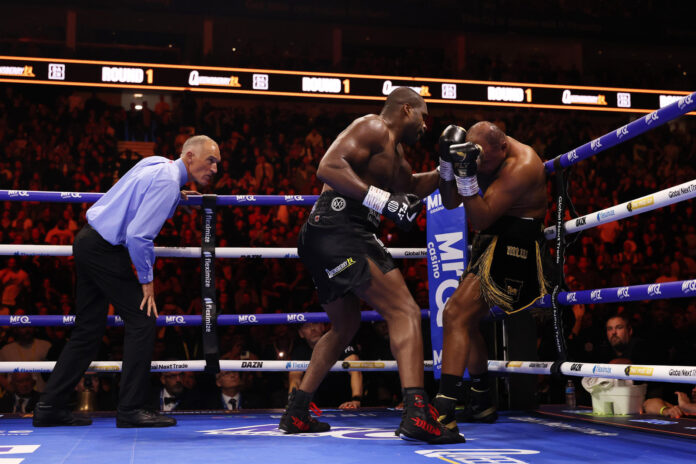
Some observers have also linked the UFC’s current direction to TKO’s growing investment in boxing through the newly launched Zuffa Boxing brand.
The debate over combat sports fans increasingly question whether major promotions are prioritizing shareholder growth over elite competition comes as audiences across multiple sports grow increasingly skeptical about whether commercial expansion is overtaking competitive integrity.
While UFC events continue to draw strong attendance figures globally, signs of fan fatigue have started to surface in several international markets where ticket prices have risen sharply alongside concerns about matchmaking quality. Analysts tracking live event trends have noted softer crowd energy and weaker enthusiasm at certain UFC events this year compared with previous seasons.
For now, TKO executives remain publicly unconcerned.
From their perspective, the UFC brand remains dominant, financially powerful, and globally unmatched in mixed martial arts. But as the promotion moves deeper into a packed broadcast schedule and attempts to build new stars under increasing corporate pressure, the criticism surrounding watered down cards may become harder to dismiss if fan sentiment continues to shift.
The UFC has long thrived on the perception that every major event matters. The challenge now is convincing fans that perception still holds true in the TKO era.