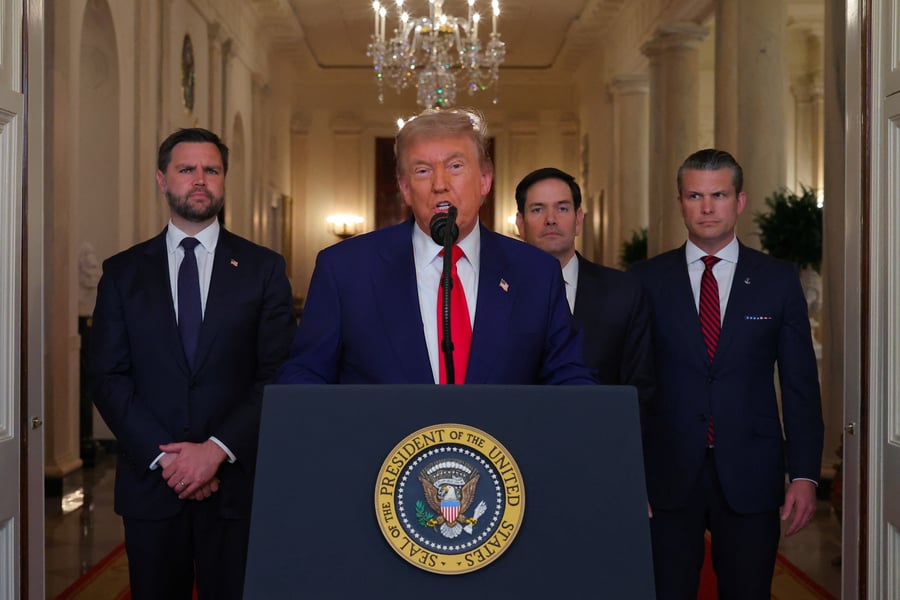

Iran on Thursday forcefully rejected US President Donald Trump’s claim that hundreds of kilograms of enriched uranium had been removed from the country, escalating an already tense confrontation over Tehran’s nuclear program and the future of negotiations following months of war and diplomatic breakdowns.
Behnam Saeedi, a member of the Iranian parliament’s commission on national security and foreign policy, described Trump’s remarks as “political bluff” and “a pure lie,” insisting that no uranium had been transferred out of Iran under any arrangement.
“Trump’s statements about the removal of 400 kilograms of uranium from Iran are political bluff and a pure lie. No uranium was removed from the country,” Saeedi said in remarks carried by Iran’s ISNA news agency.
The statement came after Trump declared on May 6 that any future agreement with Tehran would require Iran to hand over its enriched uranium stockpile to the United States. Trump also ruled out allowing Iran to continue enriching uranium even at the 3.67% level permitted under the 2015 Joint Comprehensive Plan of Action, commonly known as the Iran nuclear deal.
The sharp exchange reflects the widening gulf between Washington and Tehran at a moment when both sides are attempting to navigate a temporary ceasefire after months of military escalation across the Middle East.
Iranian officials have repeatedly maintained that the country’s nuclear activities are peaceful and conducted within the framework of international law. Tehran has also consistently rejected demands to dismantle its enrichment infrastructure or surrender enriched material abroad, describing such conditions as violations of Iranian sovereignty.
The uranium dispute has become one of the most sensitive issues in indirect negotiations between Iran and the Trump administration. According to multiple reports published in recent weeks, Washington has been pressing Tehran to suspend uranium enrichment for an extended period and surrender enriched material as part of a broader ceasefire and normalization framework.
Iran, however, appears unwilling to publicly concede on a matter long framed by the Islamic Republic as a core national right and symbol of strategic independence.
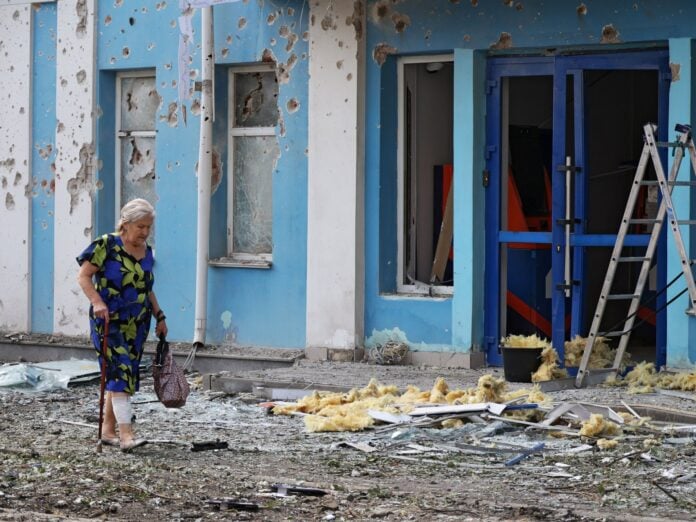
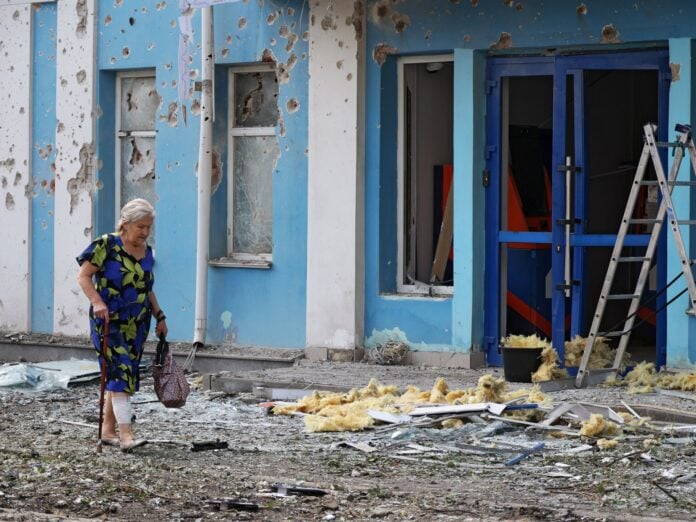
The current tensions stem from the dramatic deterioration in relations following the joint US-Israeli military strikes launched against Iran on February 28. The attacks targeted nuclear-linked facilities, military infrastructure and government sites across the country, triggering retaliatory missile and drone strikes by Iran and raising fears of a wider regional war.
The confrontation disrupted oil markets, intensified instability around the Strait of Hormuz crisis and pushed several regional powers, including Pakistan and China, into mediation efforts aimed at preventing a broader conflict.
A temporary ceasefire announced in April created space for indirect talks, reportedly brokered through Islamabad and other intermediaries. Yet negotiations have remained fragile, with major disagreements persisting over sanctions relief, uranium enrichment and regional security arrangements.
Trump has repeatedly claimed that Tehran is moving toward accepting Washington’s conditions, including abandoning enrichment and transferring uranium reserves. Iranian officials have publicly contradicted those assertions several times over the past month.
Iranian Foreign Ministry spokesman Esmail Baghaei previously rejected reports that Tehran had agreed to move enriched uranium outside the country, declaring that Iran’s uranium stockpile “is not going to be transferred anywhere under any circumstances.”
The issue carries enormous political and strategic significance inside Iran. Since the collapse of the original nuclear agreement after Trump withdrew the US from the deal in 2018 and reimposed sweeping sanctions, Iranian authorities have portrayed uranium enrichment as both a sovereign technological achievement and a safeguard against Western pressure.
Iran’s leadership has also argued that the West has repeatedly failed to honor previous commitments, making unilateral concessions politically unacceptable inside the country.
At the same time, Washington and Israel continue to insist that Iran’s nuclear advances pose a regional and international security threat. US proposals circulating through mediators reportedly include strict limits on enrichment activities, long-term monitoring mechanisms and the eventual removal or dilution of Iran’s existing stockpile.
Analysts say the conflicting public narratives from both sides may also reflect ongoing diplomatic pressure tactics designed to influence negotiations without formally collapsing them.
While Trump has publicly expressed optimism that a broader settlement may still be possible, he has simultaneously threatened renewed military action if diplomacy fails.
Iranian officials, meanwhile, have accused Washington of using threats and media leaks to manufacture political leverage while continuing economic and military pressure on the Islamic Republic.
The latest dispute underscores the growing uncertainty surrounding the future of the Iran nuclear negotiations and the broader confrontation between Tehran, Washington and Israel.
With ceasefire arrangements still fragile and talks unresolved, the question of Iran’s uranium stockpile remains one of the biggest obstacles standing between diplomacy and another potentially dangerous escalation in the Middle East.