
Sony’s latest flagship smartphone launch was supposed to highlight the company’s photography heritage and AI-powered future. Instead, the newly announced Sony Xperia 1 VIII has become the center of one of the biggest smartphone marketing backfires of the year after its AI Camera Assistant feature triggered widespread ridicule online.
The controversy erupted shortly after Sony published promotional “before and after” camera samples meant to demonstrate the capabilities of its new AI Camera Assistant. Rather than impressing users, the AI-enhanced images were immediately criticized for appearing overexposed, washed out, and unnaturally processed. The backlash spread rapidly across X, Reddit, YouTube, and tech forums, turning Sony’s premium flagship launch into a viral meme within hours. Coverage of the viral social media reactions further intensified the debate across the smartphone industry.
The situation escalated further when Carl Pei, CEO of smartphone company Nothing, publicly mocked Sony’s marketing post. Pei reposted the comparison images and questioned whether the campaign was simply “engagement farming,” a phrase now widely associated with the Xperia controversy. His reaction amplified the debate across the tech industry and pushed the Xperia 1 VIII into trending discussions globally.
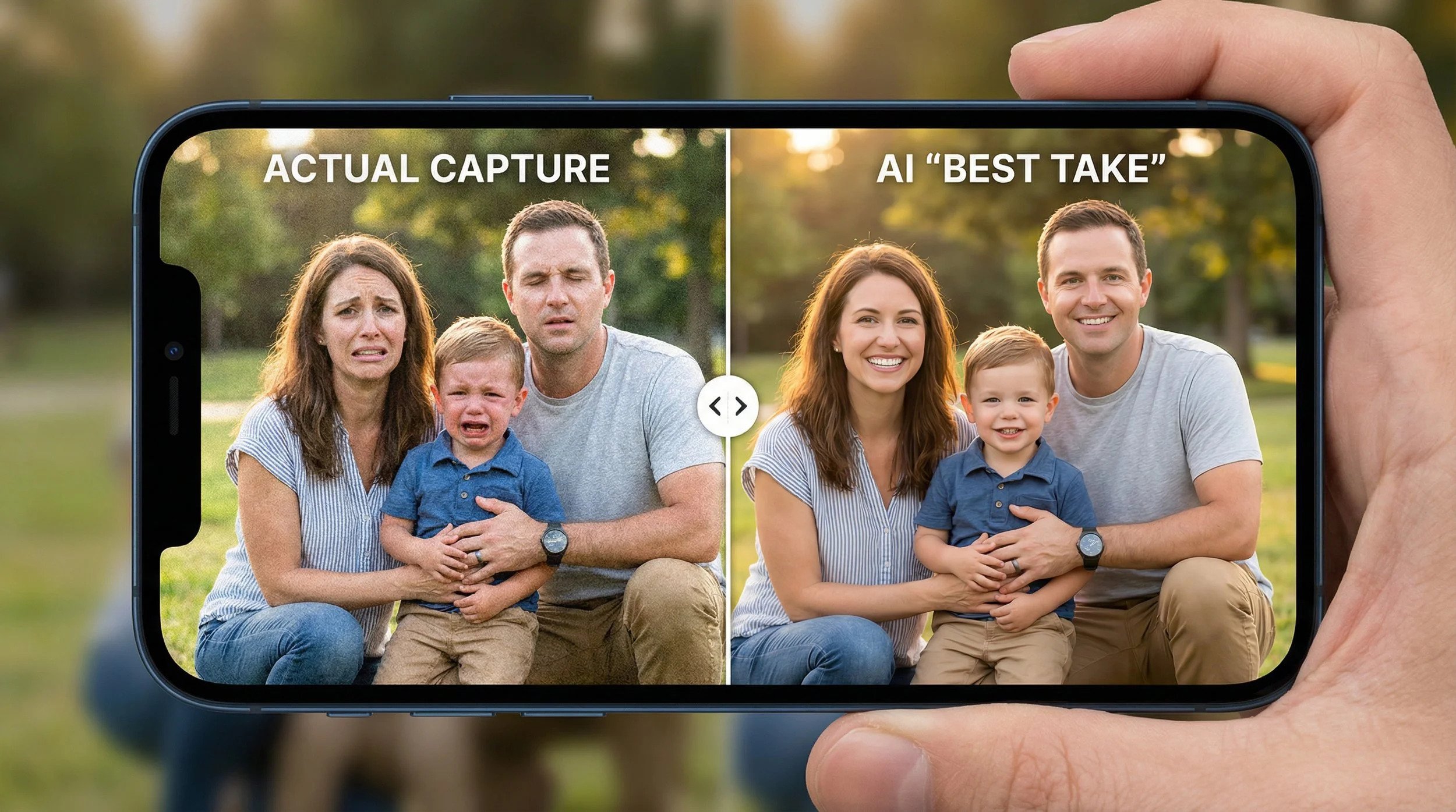
However, the launch demonstrations failed to convince smartphone enthusiasts. In several side-by-side comparisons shared by Sony, the AI-assisted versions appeared significantly brighter and flatter than the original shots. Highlights looked blown out, color balance appeared distorted, and many users argued that the standard photos looked dramatically better without AI processing. The criticism became so widespread that many social media users initially assumed Sony had accidentally swapped the “before” and “after” labels.
Popular creators and tech commentators soon joined the discussion. Several reviewers joked that Sony’s AI Camera Assistant was effectively demonstrating why smartphone photography enthusiasts still prefer manual controls and natural image processing over aggressive computational photography. The backlash also reignited broader criticism surrounding the smartphone industry’s race to integrate AI into nearly every flagship feature regardless of real-world usefulness. Analysts covering the wider industry criticism noted growing consumer fatigue toward exaggerated AI marketing.
Facing mounting criticism, Sony later issued a clarification explaining that the AI Camera Assistant does not automatically edit photos after they are taken. Instead, the feature suggests four possible “creative directions” before capture, allowing users to choose different looks involving color, bokeh, lens selection, and exposure settings. Sony also released updated example images that appeared more balanced than the original promotional samples. The company’s updated explanation attempted to calm the growing backlash.
Even with the clarification, many critics argued the damage had already been done. The original images continued circulating online as memes, with users sarcastically recreating exaggerated overexposed edits while pretending to “thank” Sony’s AI system for improving their photos. The viral reaction transformed what should have been a premium flagship launch into a public relations headache for Sony’s mobile division.
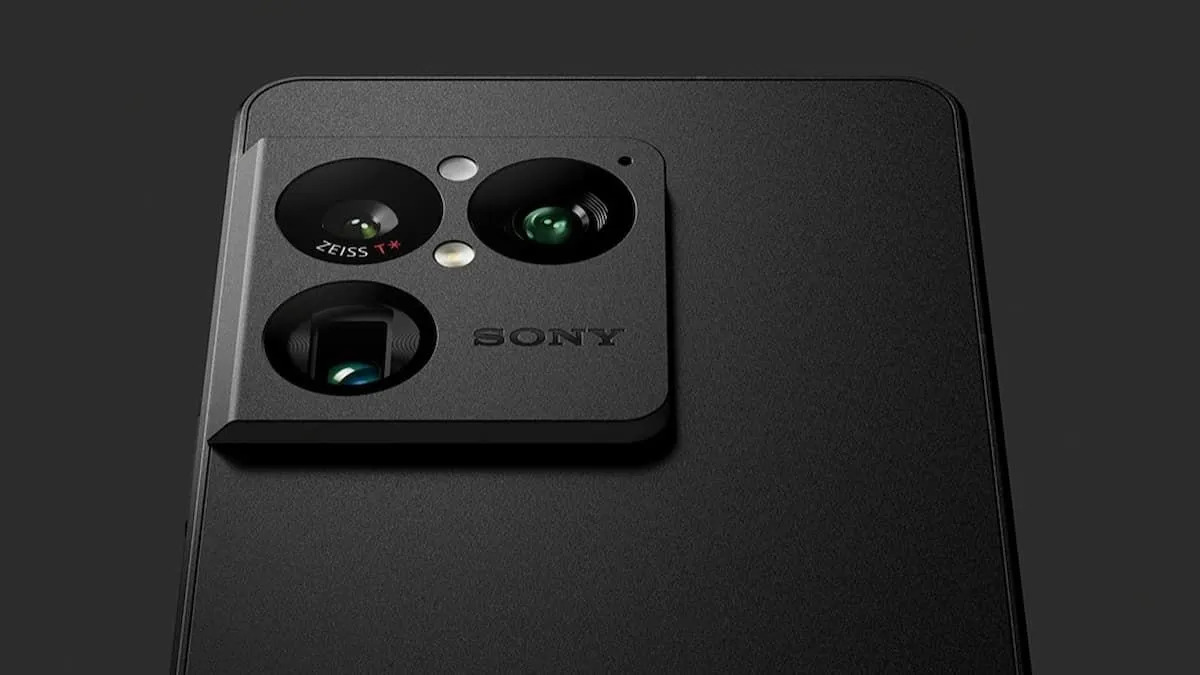
Ironically, outside the AI controversy, the Xperia 1 VIII itself introduces some genuinely notable hardware upgrades. Sony redesigned the device with a new square-shaped camera island, departing from the long-running vertical Xperia layout. Reports detailing the redesigned camera hardware revealed a significantly larger telephoto sensor alongside upgraded stereo speakers and enthusiast-focused imaging improvements.
The flagship also features the Snapdragon 8 Elite Gen 5 chipset, up to 16GB RAM, and storage options reaching 1TB. Sony has also retained enthusiast-focused features that many competitors abandoned years ago, including a headphone jack and microSD card support. Additional official launch details confirmed Sony’s continued focus on creators and power users rather than mainstream consumers.
Photography remains the centerpiece of Sony’s pitch for the Xperia lineup. The company continues leveraging its Alpha camera branding and sensor expertise to attract users looking for a creator-focused flagship. The Xperia 1 VIII includes a new 48MP telephoto sensor, improved low-light performance, and RAW multi-frame processing designed to deliver DSLR-style imaging capabilities from a smartphone.
Still, the AI Camera Assistant backlash highlights a growing challenge facing smartphone makers in 2026. Consumers increasingly appear skeptical of AI marketing claims, especially when visual results fail to match expectations. Many flagship launches this year have centered heavily around AI features, but users are beginning to demand practical improvements rather than gimmicky demonstrations designed mainly for social media engagement.
The controversy also reflects a broader shift in how consumers view AI-powered photography and intelligent smartphone software. Similar skepticism has already emerged around features such as AI-powered Siri integrations and automated image editing tools being promoted across flagship ecosystems.
For Sony, the controversy may ultimately become both a setback and a strange form of free marketing. Despite the negative reaction, the Xperia 1 VIII has received enormous online attention during its launch week. The phone is now one of the most discussed Android flagships of the month, though perhaps not for the reasons Sony originally intended. The debate has also intensified the ongoing smartphone camera war between brands racing to define the future of AI-enhanced photography.