
The escalating crisis in the Middle East is rapidly transforming from a regional conflict into a full-scale global economic threat, with the United Nations warning that workers worldwide could lose as much as $3 trillion in labor income by 2027 if energy prices continue surging.
A new report released by the International Labour Organization (ILO), the UN agency responsible for global employment and labor standards, paints a bleak picture of the economic fallout triggered by prolonged instability across the Middle East. According to the organization, a sustained oil price shock linked to the crisis could wipe out tens of millions of jobs, weaken wages worldwide, disrupt migration systems, and deepen financial pressure on already vulnerable economies.
The report arrives at a moment of growing concern among economists and policymakers that the world may be entering another era of energy-driven economic turbulence similar to the oil crises of the 1970s, but with even broader consequences due to today’s interconnected supply chains and fragile post-pandemic recovery.
According to the ILO, if oil prices remain 50% above their early 2026 levels, global working hours are projected to decline by 0.5% in 2026 and by 1.1% in 2027. That decline would amount to the equivalent of 14 million full-time jobs lost this year and another 38 million jobs disappearing next year.
Even more alarming is the projected collapse in labor income. The ILO estimates real labor incomes could decline by 1.1% in 2026 and by 3% in 2027, translating into losses of approximately $1.1 trillion and $3 trillion respectively.
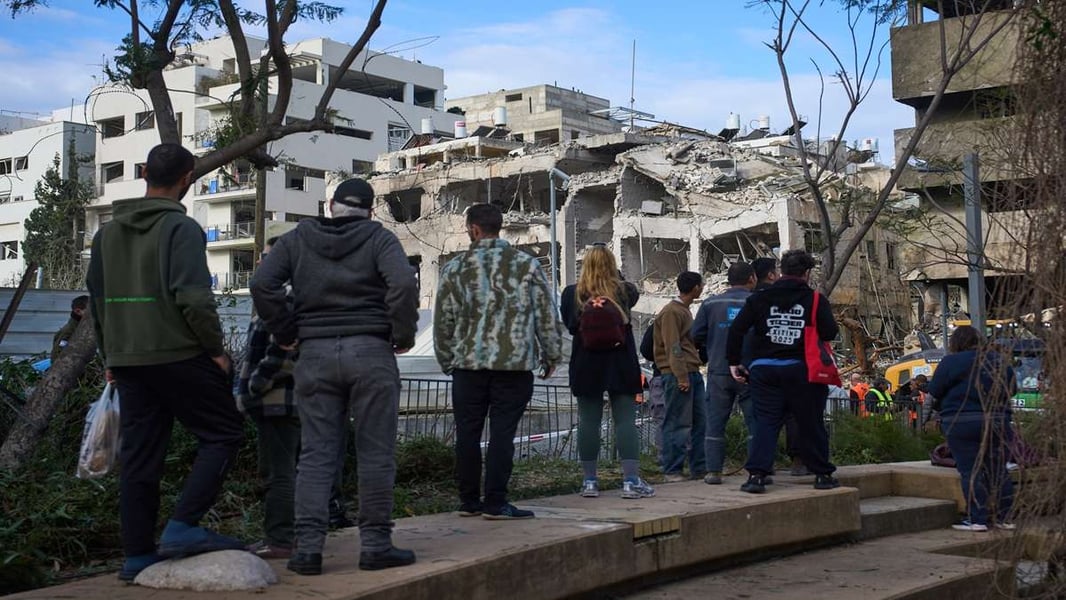
The warning highlights how the conflict’s impact is spreading far beyond the battlefield through rising oil and gas prices, disrupted shipping lanes, damaged logistics networks, slowing tourism, falling investment, and tightening migration systems.
The growing turmoil has already rattled Wall Street and intensified pressure across global oil markets, as fears mount over prolonged supply disruptions and weakening economic growth.
“The warning signs are already clear,” ILO Chief Economist Sangheon Lee said in earlier comments about the crisis, warning that the conflict could leave deeper structural scars on the global labour markets than even the COVID-19 pandemic.
Unlike the pandemic, which triggered an immediate economic collapse followed by aggressive government intervention and recovery programs, the current crisis may unfold more gradually and persistently through repeated energy shocks, uncertainty, and weakening investment.
The report warns that global labor markets are increasingly vulnerable because governments across the world are entering this period with limited fiscal capacity, high debt burdens, inflationary pressure, and shrinking room for economic stimulus.
The Middle East and Asia-Pacific regions are expected to face the heaviest consequences.
Oil-importing countries across Asia are particularly exposed to rising fuel prices and shipping disruptions. The conflict has already placed enormous pressure on maritime trade routes around the Strait of Hormuz, one of the world’s most strategically important energy chokepoints through which nearly one-fifth of global oil supplies pass daily.
Analysts warn that continued instability around the Strait of Hormuz threatens not only global oil supply but also fertilizer shipments, industrial supply chains, aviation routes, and food security networks across Asia, Europe, and Africa.
Shipping insurers have sharply increased war-risk premiums, freight costs have surged, and several commercial operators have rerouted vessels away from the region amid fears of escalation. These costs are now feeding directly into global inflation and industrial production expenses.
The ILO noted that labor-intensive sectors such as tourism, transport, logistics, construction, and hospitality are among the first industries being hit by the economic fallout.
Gulf economies, which depend heavily on migrant workers from South and Southeast Asia, are already witnessing declining labor demand in several industries. According to the report, migrant populations in Gulf states have dropped sharply as employers reduce hiring amid economic uncertainty and higher operating costs.
That trend is creating serious secondary effects across countries dependent on overseas remittances.
The ILO warned that remittance flows, a crucial economic lifeline for millions of families across India, Pakistan, Bangladesh, Nepal, Sri Lanka, and the Philippines, are beginning to weaken. Early signs of contraction are already visible in several economies.
For many developing nations, remittances account for a major share of household income, foreign currency reserves, and domestic consumption. A prolonged reduction in those inflows could intensify poverty, unemployment, and political instability.
Beyond direct job losses, economists are increasingly concerned about worsening job quality worldwide.
The ILO warned that rising inflation and weaker business conditions could push more workers into insecure informal employment while placing downward pressure on wages. Vulnerable groups including migrant workers, low-income households, women, and informal laborers are expected to bear the brunt of the economic deterioration.
Recent IMF cuts global growth outlook projections and mounting inflation fears have added to concerns that the crisis may trigger a prolonged period of economic stagnation.
The report also raised concerns about increasing risks of working poverty, child labor, forced labor, and deteriorating workplace protections if the crisis persists.
Meanwhile, broader economic assessments from international institutions are becoming increasingly pessimistic.
A recent United Nations Development Programme assessment warned that even a short-lived military escalation in the Middle East could generate widespread socioeconomic damage across the Arab world, including millions of lost jobs, declining human development indicators, collapsing public services, and rising poverty.
The UNDP estimated that unemployment across Arab states could rise by between 1.8% and 4%, potentially destroying between 1.6 million and 3.6 million jobs depending on the scale of the conflict.
The organization further warned that the conflict is damaging healthcare systems, disrupting humanitarian supply chains, threatening food and water security, and placing severe strain on fragile states already dealing with political instability and economic hardship.
The economic risks extend well beyond the Middle East itself.
Global markets are increasingly reacting to fears that a prolonged regional war could permanently alter trade patterns, investment flows, industrial production, and energy security arrangements. Oil prices have already experienced repeated spikes amid fears of supply disruptions, while commodity markets remain highly volatile.
Several economists now fear the world could be drifting toward a stagflationary environment characterized by rising inflation, weak economic growth, declining productivity, and deteriorating living standards.
The world economy is increasingly vulnerable to repeated geopolitical shocks, while commercial energy reserves continue shrinking. The International Energy Agency recently warned that commercial oil inventories are depleting rapidly.
Recent turmoil linked to the global energy crisis, ongoing Hormuz blockade fears, and disruptions connected to the Saudi Arabia oil strategy have further intensified uncertainty across global markets.
The ILO warned that waiting for traditional economic indicators to deteriorate before responding could prove disastrous.
By the time unemployment figures and growth data fully reflect the damage, the organization said, temporary shocks may already have evolved into long-term structural setbacks affecting jobs, wages, migration systems, and global economic stability for years to come.
—Inputs from Sputnik.