
PARIS — The Russian captain of the Tagor oil tanker was placed in formal custody by French authorities on June 2, the Russian Embassy in France confirmed on Wednesday, drawing a sharp new line in a standoff that Moscow has already called tantamount to piracy on the high seas.
The embassy said it received official notification from Paris that the captain — a Russian citizen — was taken into custody the previous day. It immediately demanded his release and asked the French Foreign Ministry for consular access. By Wednesday, no response had been received.
The detention of the captain himself represents a step beyond what France has done in its previous three shadow fleet interceptions. In each of those cases — the Boracay in October 2025, the Grinch in January 2026, and the Deyna in March — the ships were eventually released after their owners paid fines worth millions of euros. No individual was arrested. With the Tagor’s captain now in the hands of French judicial authorities, the legal exposure has shifted from the vessel’s operators to a named Russian national whose government is demanding access to him.
That access has not been granted. The lapse is not incidental. Under the Vienna Convention on Consular Relations, France is obligated to inform a detainee’s country of origin without delay and to allow consular officers to communicate with and visit that national. Moscow’s inability to confirm whether that notification process has been followed, or whether the captain has yet been seen by a Russian consular officer, is the pressure point the embassy is now pushing on publicly.
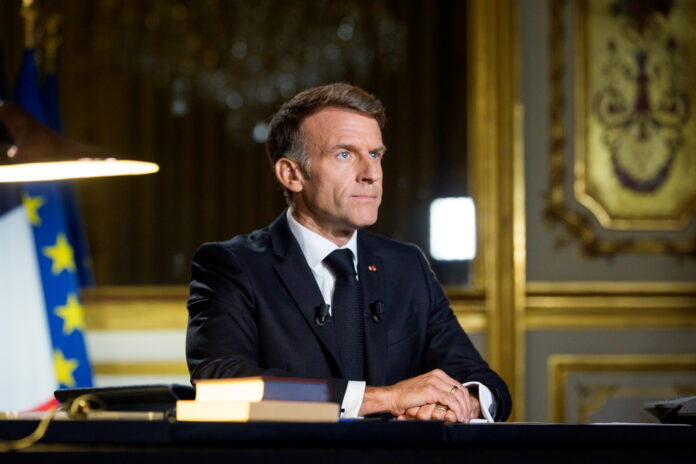
The Tagor was boarded on May 31 in international waters roughly 400 nautical miles west of Brittany, in an operation conducted with tactical support from the British Royal Navy. French President Emmanuel Macron announced the seizure the following day, posting footage on X of naval commandos rappelling from a helicopter onto the vessel’s deck. Kremlin spokesman Dmitry Peskov called the operation illegal, describing it as bordering on international piracy. The Tagor, a 252-metre crude carrier sailing from Russia’s Arctic port of Murmansk, was suspected of flying a false flag — registered variously under the flags of Madagascar, the Cayman Islands, and Cameroon at different points in its recent history. It has been under US sanctions since July 2025, EU sanctions since October, and British restrictions since February 2026.
By June 2, the Tagor had arrived under naval escort at Crozon, near Brest, in northwestern France, where a judicial investigation was opened into the vessel’s flag status and documentation, France 24 reported. The rest of the ship’s crew, whose nationalities have not been fully disclosed by French prosecutors, remained aboard.
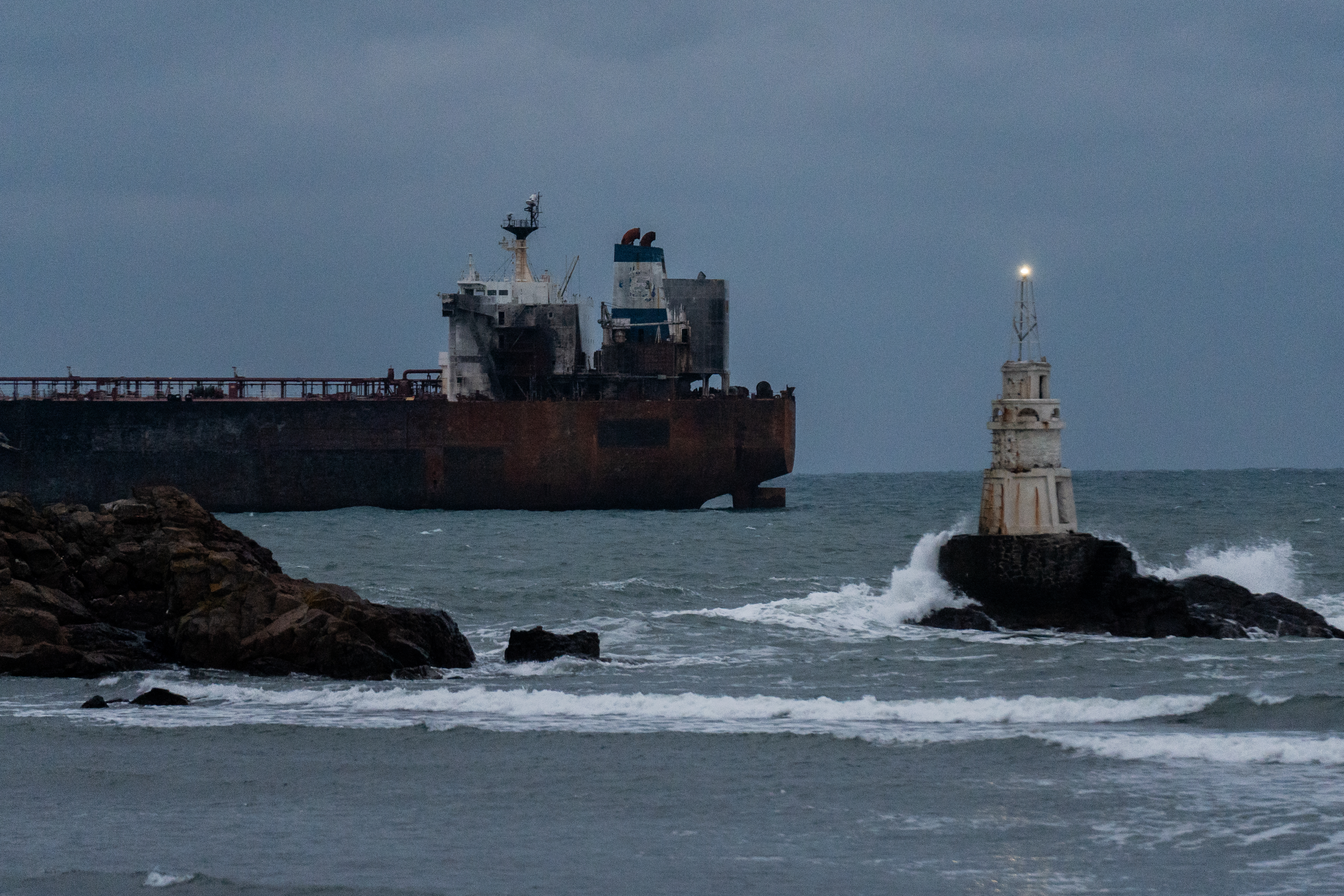
What makes the consular access standoff particularly sensitive is the precedent set by the Boracay. When French investigators eventually disclosed their findings from that vessel, they revealed that two Russian nationals employed by a private security firm — Moran Security Group — had been aboard, apparently monitoring the crew. Their presence had not been disclosed at the time of the seizure. The discovery sharpened suspicion in Paris that shadow fleet tankers are not merely commercial vessels evading sanctions but potentially instruments of Russian state activity at sea. Whether the Tagor’s captain is viewed through the same lens is not yet clear from statements made by French prosecutors.
As the Tagor was escorted into Brittany, Foreign Ministry spokeswoman Maria Zakharova framed the operation as evidence of what she described as France speaking in contradictory voices — publicly advocating dialogue while authorising what Moscow regards as maritime aggression. Peskov has not yet commented directly on the captain’s arrest.
France has now carried out four shadow fleet interceptions since September 2025, making it by some distance the most active Western state in physically enforcing the sanctions regime against Russian oil exports at sea. The Tagor is sanctioned by five jurisdictions — the United States, the European Union, the United Kingdom, Switzerland, and Ukraine — yet it had been operating without interruption until the French boarding. The Tagor began its final voyage from Murmansk bound for Cameroon carrying virtually no cargo, according to Zakharova’s account, a detail French investigators have not confirmed or contested publicly.
The broader sanctions regime has struggled to make a dent in Russian oil revenues. Reuters noted this week that Moscow has adapted to most EU measures and continues to sell millions of barrels to India and China at discounted prices. A small number of vessel interceptions, however symbolically significant, have had little obvious effect on the fleet’s capacity. Whether criminal charges against the Tagor’s captain — rather than a commercial fine against its corporate owner — would introduce a different kind of deterrent is a question Paris has not yet answered publicly.
What the French government has not said is what charge, precisely, justifies holding the captain in custody rather than simply detaining the ship. Prosecutors in Brest have cited the vessel’s false flag as the basis for the judicial investigation, but the specific legal basis for individual detention remains undefined in official statements. That gap is where Russia’s diplomatic challenge is now aimed.
—Inputs from RIA Novosti, Sputnik.