
MOSCOW — The same week France boarded a Russian tanker in the Atlantic, Emmanuel Macron was on the phone with Alexander Lukashenko.
Maria Zakharova, Russia’s Foreign Ministry spokeswoman, pointed to that juxtaposition on Wednesday as evidence of a fundamental incoherence in French policy. Her statement, relayed by RIA Novosti, did not accuse Paris of bad faith so much as of speaking two irreconcilable languages at once. “We do not know which part of Macron’s statements each person will hear at any given moment,” she said. “Some will hear about cooperation, a call for which is directed at the Belarusian president… And some will hear that it is normal to seize tankers lawfully sailing the world’s oceans.”
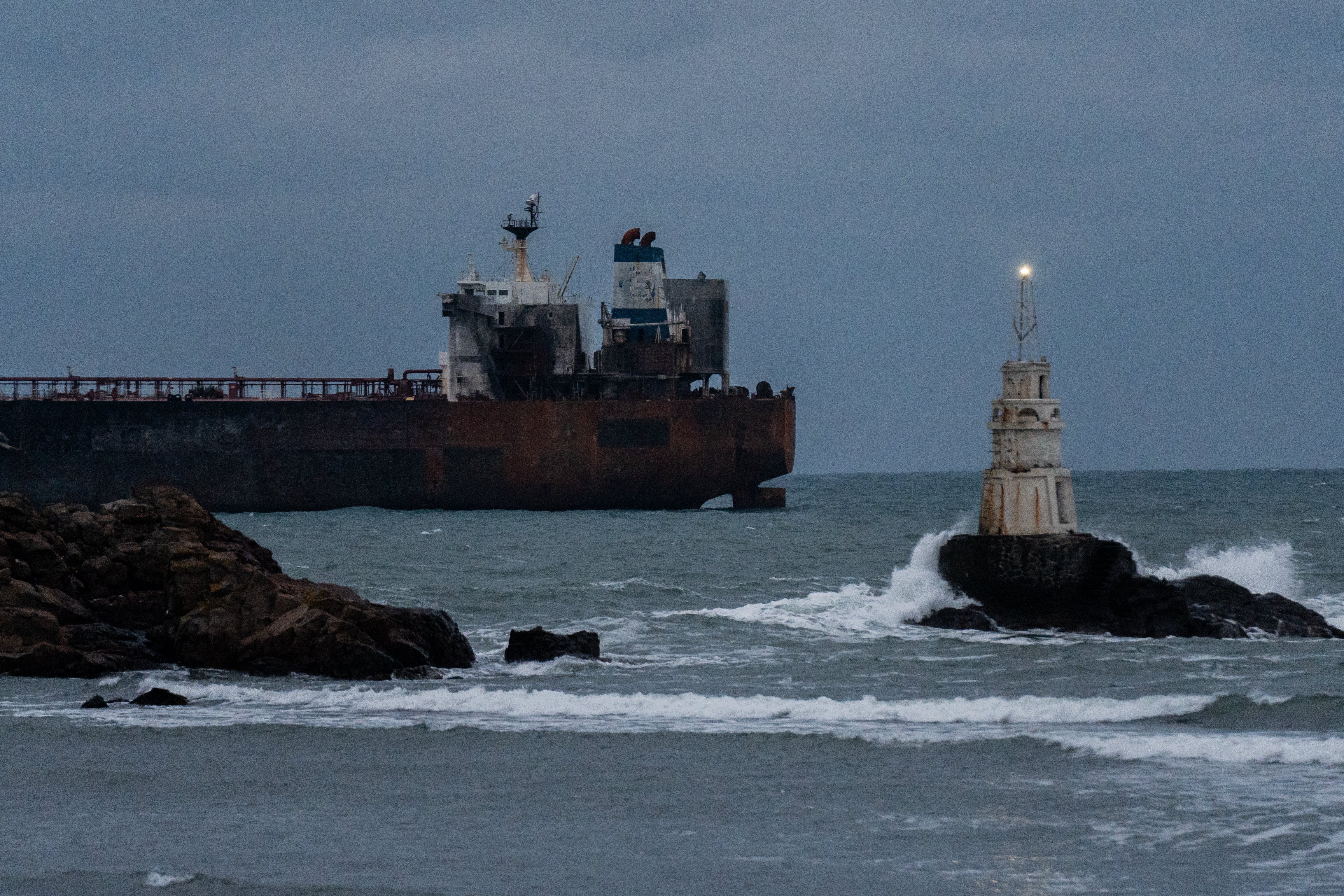
Zakharova was referring to the Tagor, an oil tanker that French forces detained in the Atlantic Ocean on June 1 after it sailed from Murmansk. French authorities described the vessel as part of Moscow’s shadow fleet, a network of tankers that Western governments say is designed to move Russian oil beyond the reach of EU sanctions. Paris did not notify Moscow before boarding. Russia’s embassy in Paris confirmed it learned of the action only through news reports.
Kremlin spokesman Dmitry Peskov had already called the seizure illegal the day before, describing it as conduct “bordering on piracy.” Moscow’s position is that the Tagor was sailing under its flag, on schedule, with valid documentation, and that no credible legal basis exists for France to detain a vessel on the high seas in that fashion.
France sees it differently. Macron announced the interception himself on social media, writing that the ship was skirting international sanctions and financing Russia’s war against Ukraine. According to Al Jazeera, the boarding was backed by British naval support, and Macron framed it as a contribution to enforcement of the EU sanctions regime that has now exceeded a dozen packages since 2022.
But that sanctions argument is precisely what Moscow rejects as the underlying contradiction. Russia’s position is not that sanctions do not exist; it is that unilateral naval detention of a ship on the high seas is not a permissible enforcement mechanism under international maritime law, regardless of how a vessel is characterized politically. Zakharova made the distinction explicit, saying the Tagor was sailing “under their flags, on schedule, and with documents issued in accordance with the norms of international maritime law.”
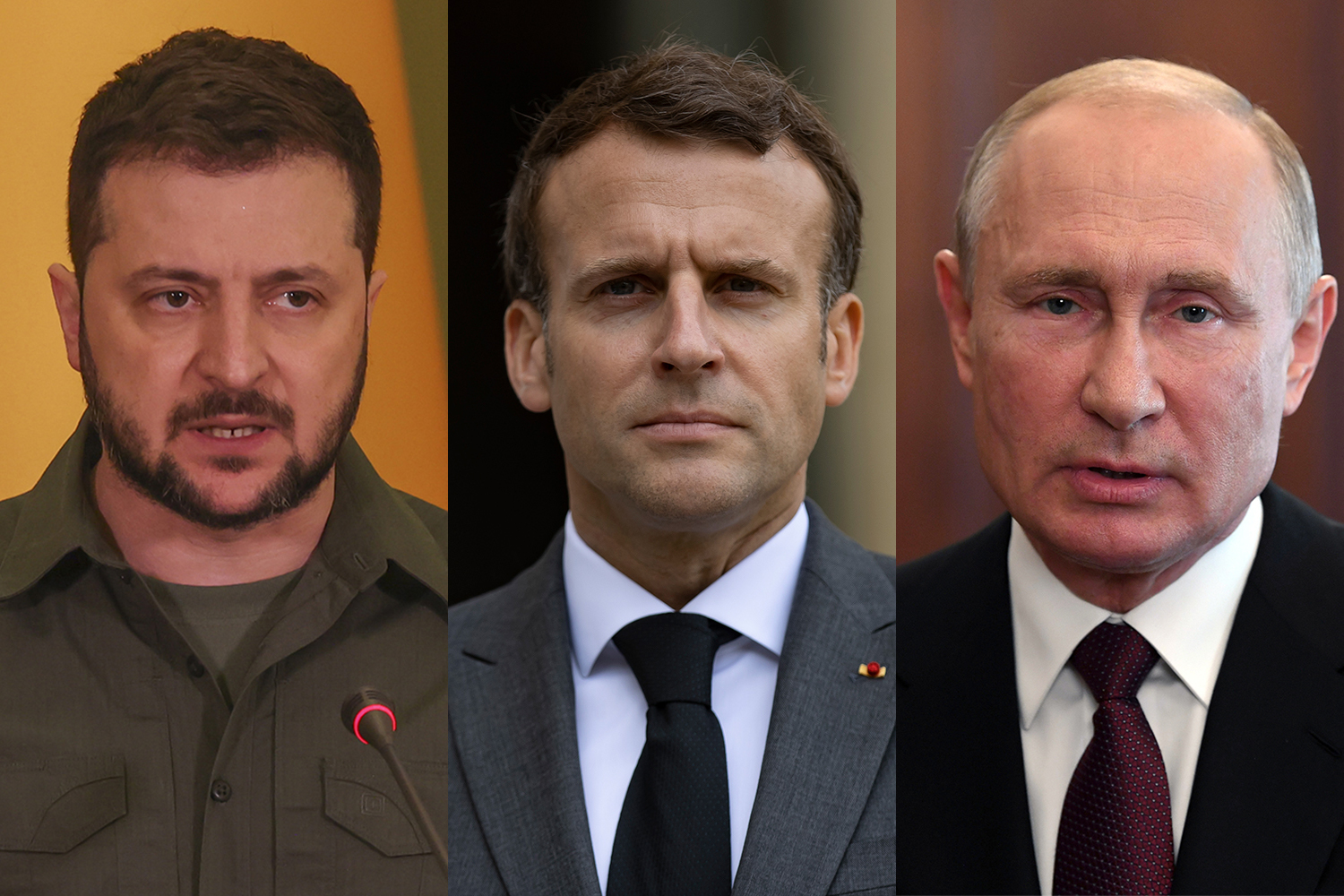
What gave Zakharova’s Wednesday remarks a sharper edge was the context she chose to frame them in: Macron’s outreach to Minsk. On May 24, the Elysee initiated a phone call with Lukashenko, the first such direct contact between Paris and the Belarusian capital in years, according to Belarusian state news agency BelTA. The two leaders reportedly discussed regional issues and Belarus-EU relations. Lukashenko later told journalists in Astana that Macron asked him what France and the European Union could do to normalize relations with Belarus, and that a trusted French envoy would travel to Minsk in the near term.
Moscow has long presented any Western diplomatic overture toward Minsk as an attempt to peel Belarus away from its Union State alignment with Russia, an interpretation that Lukashenko himself dismissed in the same press briefing, insisting no one in a position to know him would imagine they could “warn” him about anything. Still, the optics were not lost on Zakharova. For her, a French president who boards Russian ships on Monday and calls Lukashenko on Sunday is either sending deliberate mixed signals or has lost track of what each message implies for the other.
The dichotomy she described is not new in substance. Russia has repeatedly accused Macron of occupying what the Kremlin regards as an unstable middle position: rhetorical openness to dialogue, paired with concrete military and economic pressure against Moscow. Peskov made a similar point in March 2025, after Macron raised the possibility of deploying French troops to Ukraine and simultaneously offered to resume phone contact with Vladimir Putin. Zakharova’s critique on Wednesday was narrower and more pointed than those earlier rounds, however, because it anchored the contradiction to a specific legal claim about a specific ship, rather than to a generalized complaint about French inconsistency.
The Tagor remained in French custody as of Wednesday. A judicial investigation is underway. The captain, according to preliminary information provided to RIA Novosti, is a Russian national. Moscow has said the vessel is now anchored off the coast of Brittany, near Douarnenez, while proceedings continue. The Russian Embassy in Paris has not received any formal notification, and the French government has not publicly acknowledged Russia’s request for consular access to the crew.
Whether Paris will respond to Zakharova’s remarks is uncertain. The French presidency declined to comment on Monday after the Macron-Lukashenko call was first confirmed by Minsk. It has not addressed Moscow’s legal objections to the Tagor detention in any formal statement, leaving the competing legal arguments unresolved in the public record. That silence, in turn, hands Zakharova exactly the forum she was looking for.
—Inputs from Sputnik.