
TEL AVIV — The missiles came in two directions on Monday morning, separated by hours but joined by a logic that has governed this conflict since the ceasefire unraveled: each side striking the weapon that threatens it most.
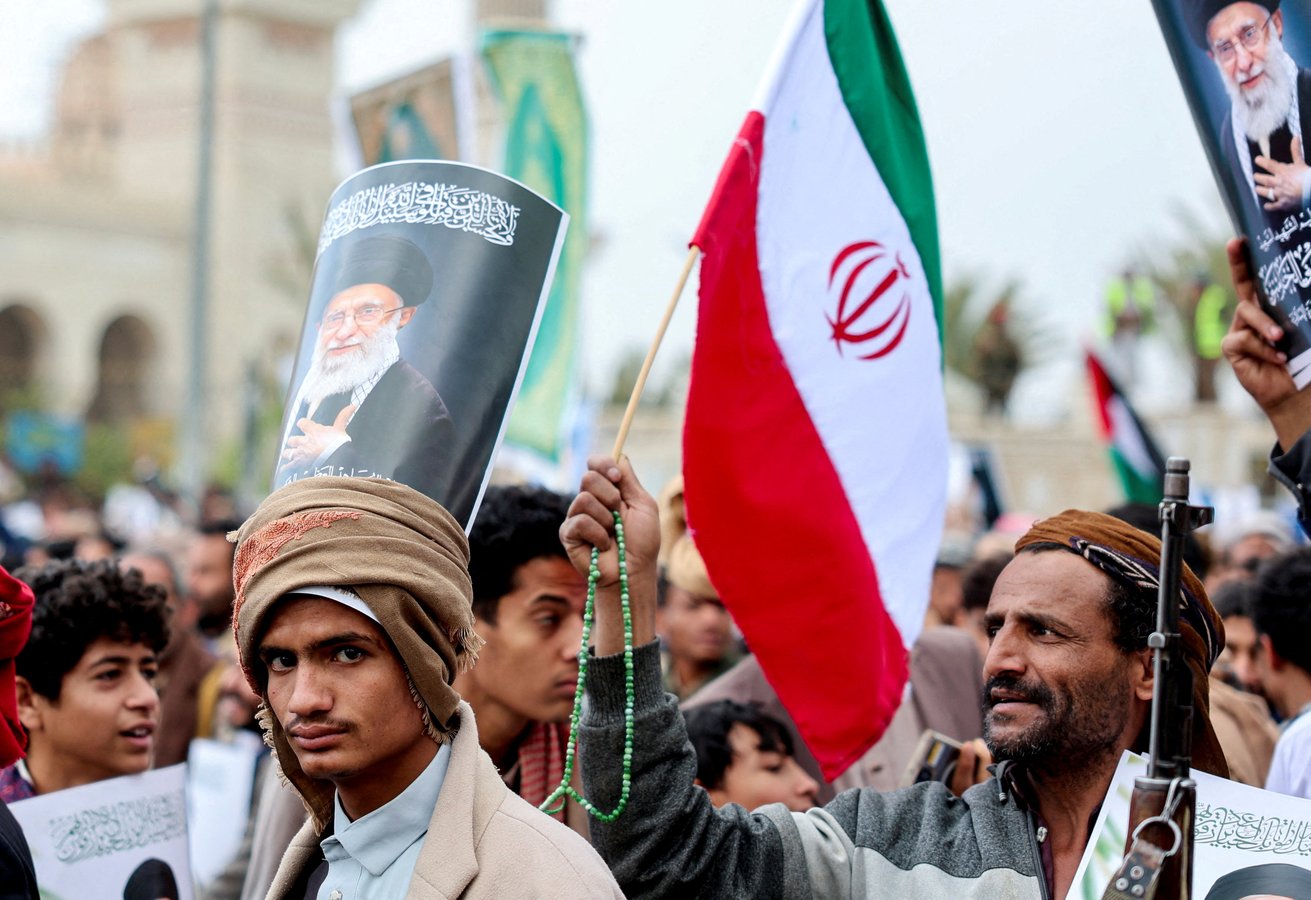
Iran’s Islamic Revolutionary Guard Corps announced it had launched what it called Operation Nasr — Arabic for victory — targeting the Israeli Air Force bases at Nevatim in the Negev desert and Tel Nof south of Tel Aviv. The IRGC’s statement, carried by the Iranian state-affiliated Tasnim News Agency, said the operation was carried out “in response to the child-killing Zionist regime’s missile aggression against several radar sites in three parts of the country.” It was, the Guards added, dedicated to the martyrs of last June’s 12-day war.
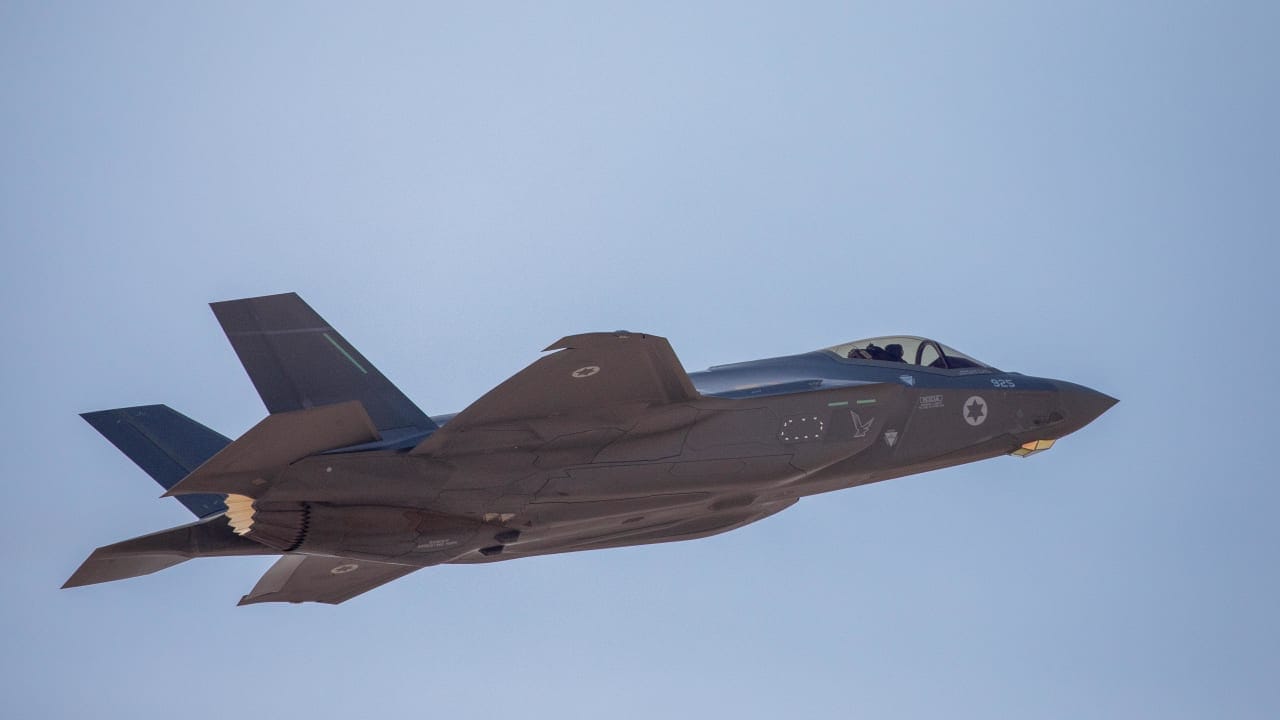
Israel had struck first, early Monday. The Israel Defense Forces said dozens of Air Force fighter jets, guided by the IDF Intelligence Directorate, completed what they described as a large-scale attack on strategic defense systems that Iran had recently deployed across its territory. The target was not missiles or nuclear infrastructure — it was the radar network Iran had spent months rebuilding after Operation Roaring Lion stripped away roughly 80 percent of its air defense architecture. According to the IDF, the strike “led to the dismantling of these systems.”
The question the Israeli military left unanswered was how much of it Iran had actually restored — and how much was left to destroy.
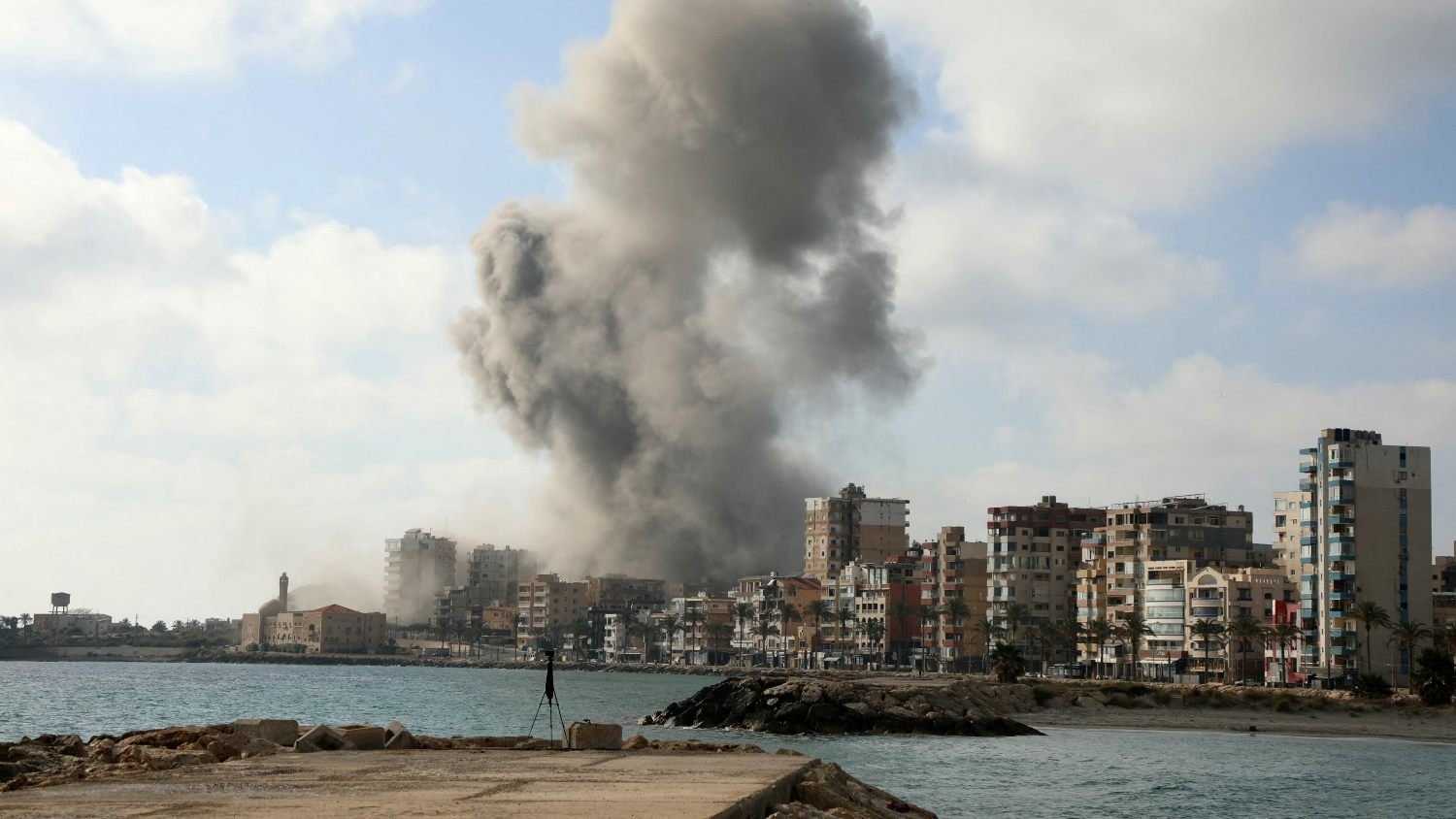
Explosions were reported in Tehran, Isfahan, Tabriz, and Karaj following the Israeli strikes. Iran’s Mehrabad Airport suspended all flights. The Israeli military separately confirmed striking the petrochemical complex at Mahshahr, on Iran’s southwestern coast — an economic target layered into an operation otherwise framed as purely defensive air suppression.
Iran’s response came within hours. General Vahidi, a senior advisor to the IRGC commander, said the Guards had identified and struck Nevatim and Tel Nof — both understood to house command-and-control systems and electronic warfare infrastructure — as well as additional targets in central Tel Aviv. Whether those strikes penetrated Israeli air defenses, and with what effect, Israeli authorities had not independently confirmed by Monday morning.
What makes this exchange different from the ones that preceded it is timing, not firepower. US President Donald Trump told the Financial Times on Sunday that Netanyahu “won’t have any choice” but to accept a US-negotiated Iran ceasefire, adding that he calls “all the shots” in the effort. On Sunday evening — before Israel struck Iran’s radars, before the IRGC launched Operation Nasr — Trump told Axios that a deal had been within days of being signed. “It would have been signed on Monday, Tuesday or Wednesday and now this takes place,” he said. He added that he was “not happy.”
Trump had reportedly urged Netanyahu not to retaliate following Iran’s Sunday missile barrage on northern Israel, which itself came hours after an Israeli strike on Beirut’s Dahiyeh suburb. A US official told Axios that Netanyahu had “pseudo-agreed.” He then ordered the Monday morning strikes on Iranian radar sites anyway.
The Dahiyeh strike — Hezbollah’s stronghold in southern Beirut — had already broken whatever informal understanding the two sides were maintaining. Iran described its Sunday missile launches as a “warning,” not a full retaliation, and said any further Israeli action would trigger “an overwhelming response.” That warning went unheeded.
There is an operational logic to what Israel is doing, whatever the diplomatic consequences. Since Operation Roaring Lion degraded the bulk of Iran’s surface-to-air missile network earlier this year, Israeli military planners have operated with a degree of freedom inside Iranian airspace that has no recent precedent. Iran’s quiet effort to restore that network — deploying new systems across multiple provinces — represented a closing window. The Monday strikes, according to a post-strike analysis from Defence Blog, were designed to eliminate those reconstituted systems before they could meaningfully complicate Israeli air operations.
What remains unresolved is whether that window can be kept closed indefinitely, or whether Iran’s industrial base — whatever survives — can restore detection and interception capability faster than Israel can degrade it.
Iran’s Ghalibaf, the parliament speaker, had warned earlier this week that US bases in the region were legitimate targets if the fighting continued. That threat — paired with the IRGC’s operational posture Monday — suggests Tehran is calibrating its response across multiple theaters simultaneously, even as its diplomatic channel through Muscat remains nominally open.
Trump’s position is increasingly uncomfortable. He has publicly claimed control over the ceasefire timeline, told Netanyahu to hold off, declared the deal imminent, and now watched it come apart in real time. Whether negotiations resume — and under what terms after strikes on Nevatim and Tel Nof — is a question neither Washington nor Tehran had answered by midday Monday.