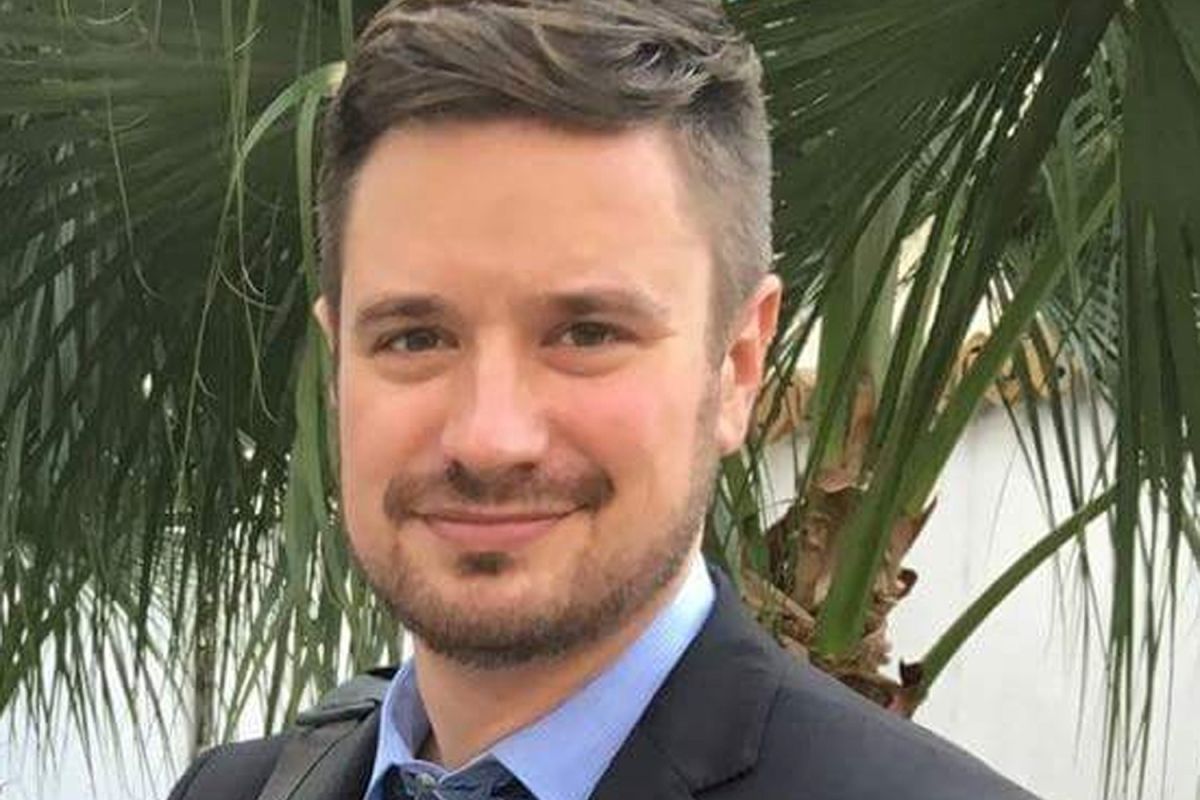

KANANGA — Nine years after two United Nations investigators were marched off a dirt road in central Congo and shot dead in a field, a military court has condemned 54 people to death for their killing. The ruling closes the case in the eyes of the law. The men most likely to have ordered the murders were never in the dock.
Michael Sharp, an American, and Zaida Catalan, a Swedish-Chilean, were members of a UN panel investigating violence in the Kasai region in March 2017, where government forces and the Kamuina Nsapu militia were killing civilians in large numbers. The pair were stopped by armed men, led into a field and executed; their bodies were found sixteen days later. The High Military Court in Kananga has now handed down its final ruling, sentencing 54 defendants to death, 22 of them tried in absentia, on charges ranging from murder and terrorism to committing a war crime through mutilation.
The single notable advance came on appeal. Colonel Jean de Dieu Mambweni, an officer in the Congolese army who had originally been given ten years, was sentenced to death after judges concluded he had helped lure the two experts to the place where they died. For the first time, the verdict put a man in uniform at the centre of the crime rather than only the militia fighters who pulled the triggers.
The sentences are less absolute than they sound. Congolese courts pronounce the death penalty freely, but the country has not carried out an execution since declaring a moratorium in 2003, and capital sentences are routinely commuted to life in prison. The 54 condemnations are therefore closer to a statement than a plan, a way of marking the gravity of the crime without anyone actually being put to death for it.
What the verdict does not touch is the reason the two were killed in the first place. Sharp and Catalan were murdered because of what they were documenting, the slaughter in Kasai, in which the Congolese army was itself deeply implicated. The United Nations went as far as to accuse government soldiers of digging mass graves in the same province. A pair of investigators closing in on that record was an inconvenience to powerful people, and those people are not among the 54.
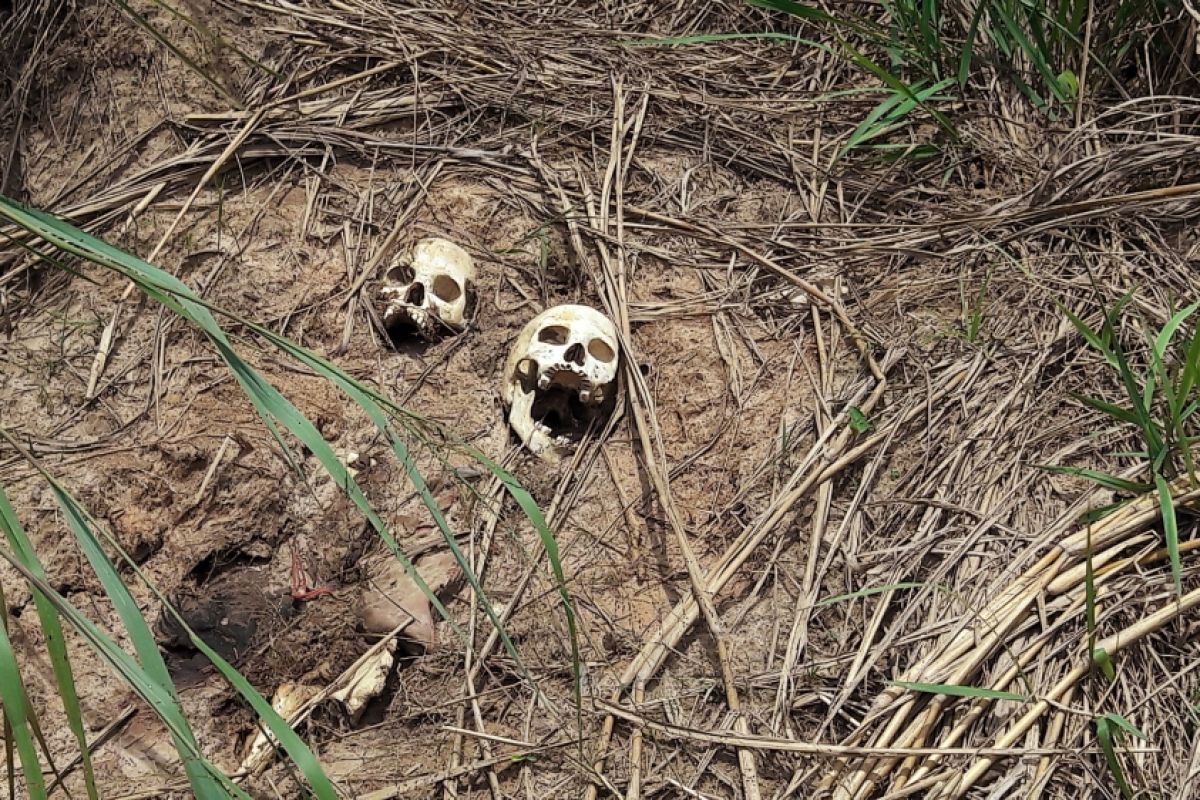
This is the familiar shape of justice in a country worn down by decades of war. The foot soldiers are convicted, a mid-ranking officer is added to lend the proceedings weight, and the chain of command above him is left undisturbed. International courts have occasionally reached the architects of state violence, but this case stayed inside a national military tribunal that was never likely to indict the institution it belongs to.
For the families, who spent nine years pressing for the truth about who gave the order, the trial delivered names and convictions but not the answer they sought. The UN’s own inquiry pointed toward involvement by state actors, and the court declined to follow that thread to its end. Human rights monitors who tracked the proceedings reached the same conclusion, that the masterminds remain protected by the positions they hold.
So the case ends with a death sentence that will not be carried out, imposed on 54 people most of whom did not decide that two investigators had to die. The question the verdict leaves open is the one it was arguably built to avoid: who, with the authority to order it, wanted the Kasai investigation buried, and why, nine years on, they are still free.