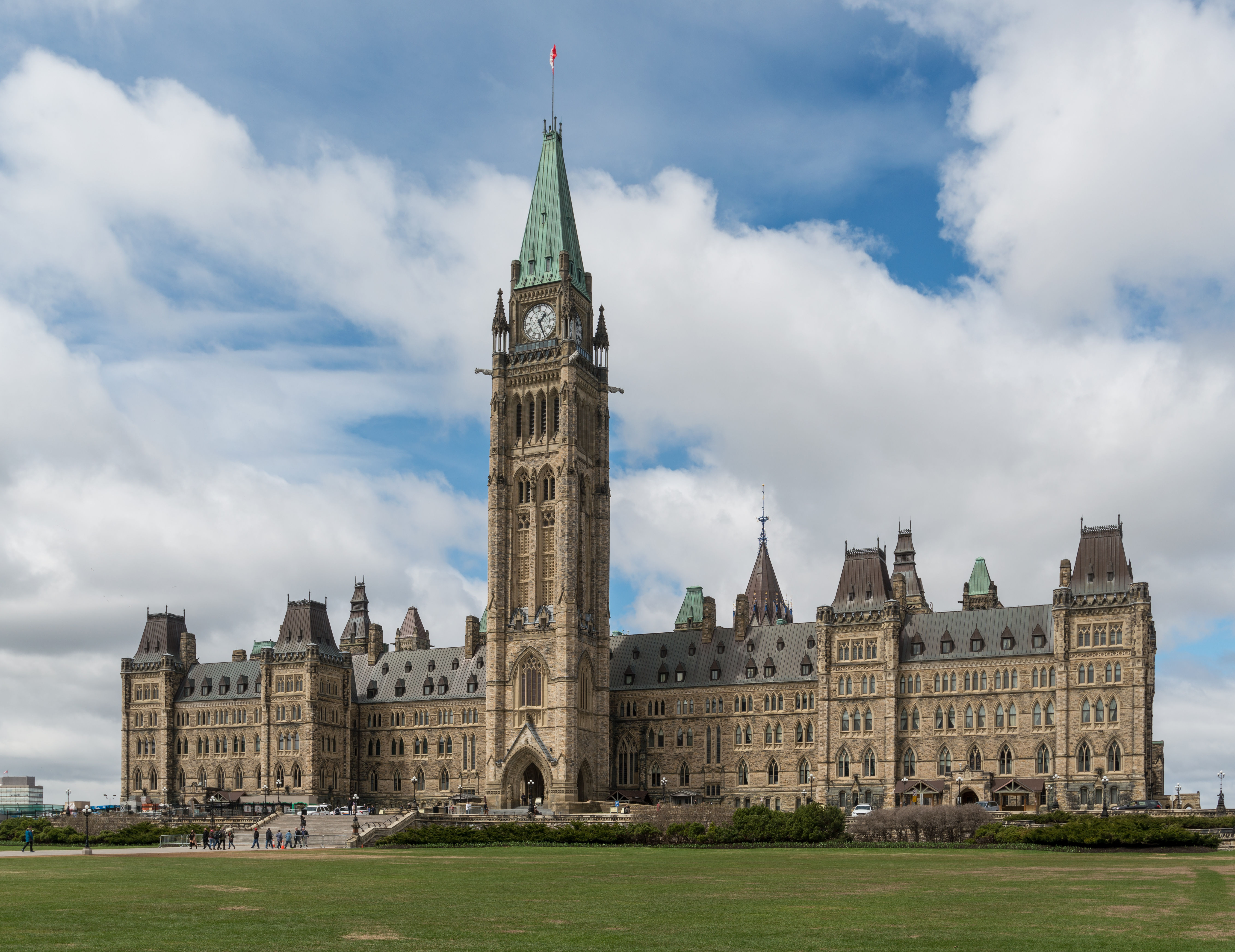

OTTAWA — Asked why the legislation had jumped the queue of everything else a new government wants to do, Marc Miller did not reach for a statistic. Kids are dying, the minister told reporters, and the sentence did the work a briefing book could not. Within a day of London confirming its own crackdown, Canada moved to take its children off the platforms.
Mark Carney’s government gave notice on Tuesday that it will introduce the Digital Safety Act, legislation expected as early as Wednesday that would bar children under 16 from social media, impose safety duties on artificial intelligence chatbots, and stand up a new regulator, the Digital Safety Commission of Canada, to enforce all of it, CBC News reported.
The Canadian design differs from the bans it follows in one respect that will define the fight ahead. The prohibition is conditional. Platforms that meet the safety standards the new commission sets would be permitted to let young Canadians back on, CTV News reported. Australia built a wall; Britain is building one; Ottawa is building a gate, and handing the platforms the engineering drawings for the lock.
That structure is a wager about incentives. A blanket ban gives the companies nothing to do but litigate and lobby. A conditional one converts the world’s most sophisticated attention engineers into applicants, with re-entry to an entire national cohort of users as the prize for building the safety architecture regulators have demanded for a decade. Whether that is shrewd or naive depends on whether the standards the commission writes are real, and no one has seen them yet.
The artificial intelligence provisions break newer ground. The act would regulate AI chatbots, with a duty to protect children and age verification requirements, rules lighter than those facing the social platforms but among the first anywhere to treat conversational AI as a child-safety problem in statute. After a year of reporting on chatbots steering minors into self-harm, the provision needed less defending than the rest of the bill.
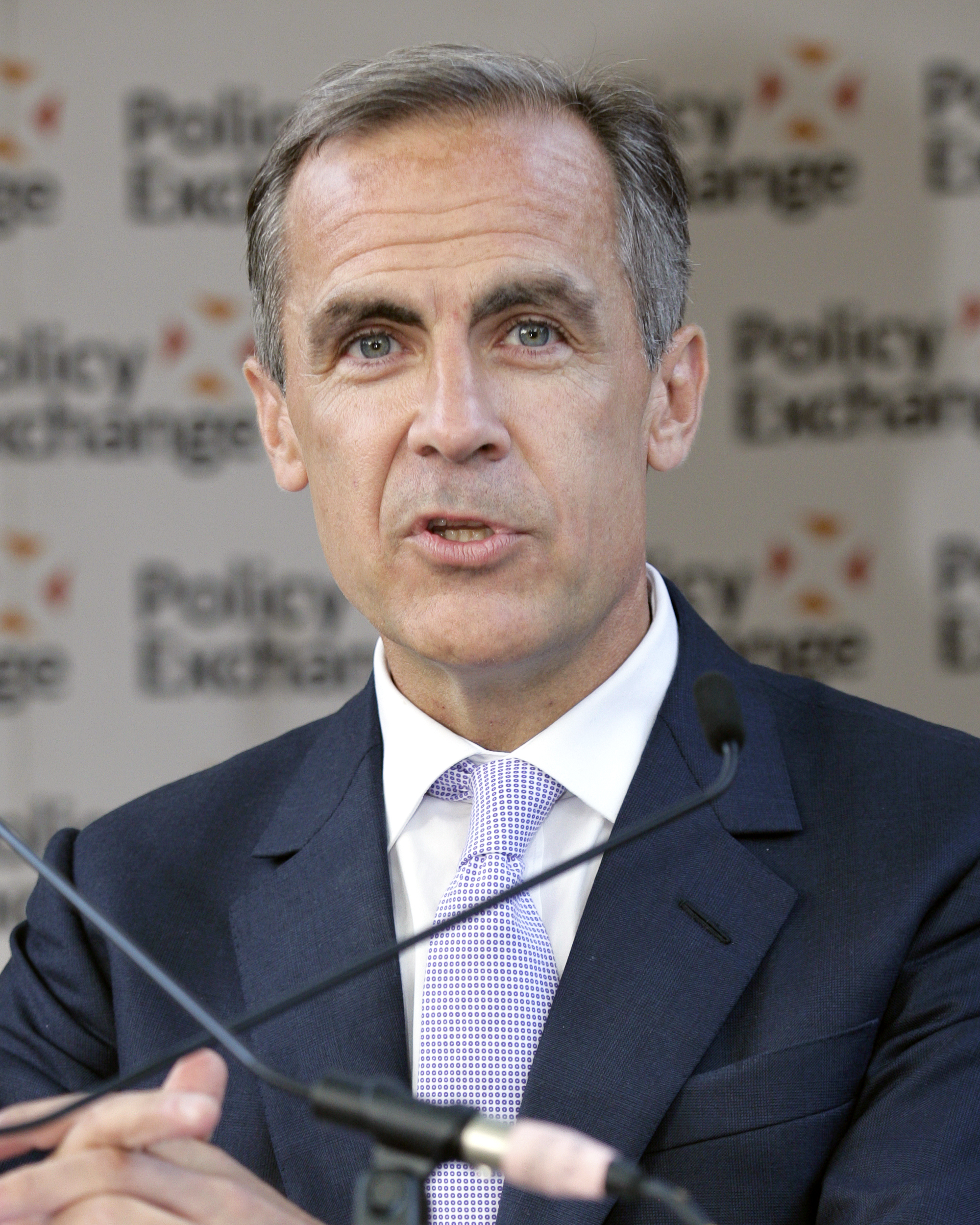
The bill is also a resurrection. Ottawa tried this once before, as the Online Harms Act of 2024, which died on the order paper when the election was called and Justin Trudeau’s government with it. The new version arrives under a different prime minister into a different country, one where the house leader, Steven MacKinnon, argues the societal verdict on the platforms has hardened enough to carry the bill through. The provinces are pushing from below; New Brunswick’s premier, Susan Holt, publicly urged Ottawa to enact exactly this ban.
The international pattern is now unmistakable. Australia switched on its under-16 ban in December. Britain’s announcement is expected within days, over the formal objection of the White House, which lobbied London on behalf of what it called the open internet. Canada’s bill makes three Anglosphere governments moving against the platforms’ access to children in seven months, a coordination that no one negotiated and no one needed to.
Washington’s reaction to Ottawa will be worth watching precisely because of what it just did to London. An administration willing to file a consultation submission against a British child-safety law has, so far, said nothing about the Canadian one, though its relationship with Ottawa is already strained by a year of tariff threats and the annexation taunts that shadowed even the opening of a bridge. Carney’s government has spent its tenure demonstrating that it will absorb American displeasure; a tech regulation fight would be a familiar shape.
What the bill does not yet answer is the question that has dogged every version of this policy: how a government verifies age without building an identity apparatus that surveils everyone. The legislation reportedly leans on the platforms and the new commission to solve verification, the same unsolved problem Britain and Australia carry, and privacy advocates in Canada have already challenged the consultation process that produced the bill. The text, when it is tabled, will show how much of the hard part has been deferred to regulation.
Nor is passage assured, history being the available evidence. The last attempt consumed years of drafting, splintered over speech provisions that mixed child safety with hate speech law, and died unfinished. The new bill’s authors appear to have learned the lesson, keeping the scope on children and machines rather than on expression, but Parliament’s appetite and the platforms’ lawyers have not yet been heard from.
For the families Miller was answering, the mechanics matter less than the direction. A government that spent a decade asking platforms to behave is now proposing to license their access to Canadian children, with a regulator, a statute and a minister who has decided the political risk of acting is smaller than the human cost of waiting. Kids are dying is not a slogan that leaves room for a consultation’s worth of patience.
The bill lands in the House within days. What the platforms do then, comply, litigate, or lobby a friendlier government to intervene the way Washington intervened in London, will say whether Ottawa’s gate was the clever version of the wall, or just the version with a door the industry already knows how to pick.