
PATNA — The Kosi river is already above its danger level, and the monsoon has not yet properly settled over the state. That is the calculus that confronts Bihar every June, and this year the arithmetic looks particularly unkind.
The India Meteorological Department confirmed on June 12 that the southwest monsoon advanced into parts of Bihar, entering through the northeastern districts of Purnea and Kishanganj. The IMD’s Patna office expects the monsoon to cover the entry districts within 48 hours and spread across the rest of the state after June 20, bringing with it the sustained rainfall that North Bihar’s river systems convert, with unforgiving regularity, into flooding.
The department placed five northern districts under an orange alert on Friday, warning of heavy to very heavy rainfall in Sitamarhi, Madhubani, Supaul, Araria, and Kishanganj. Thunderstorms accompanied by wind gusts of 40 to 50 kilometres per hour are forecast for these areas. More than 20 additional districts, including Patna, Gaya, Bhagalpur, Munger, and both East and West Champaran, are expected to receive light to moderate rainfall in the coming days.
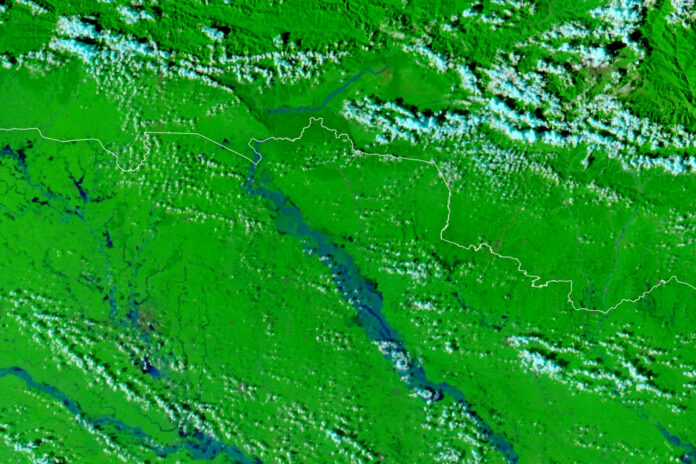
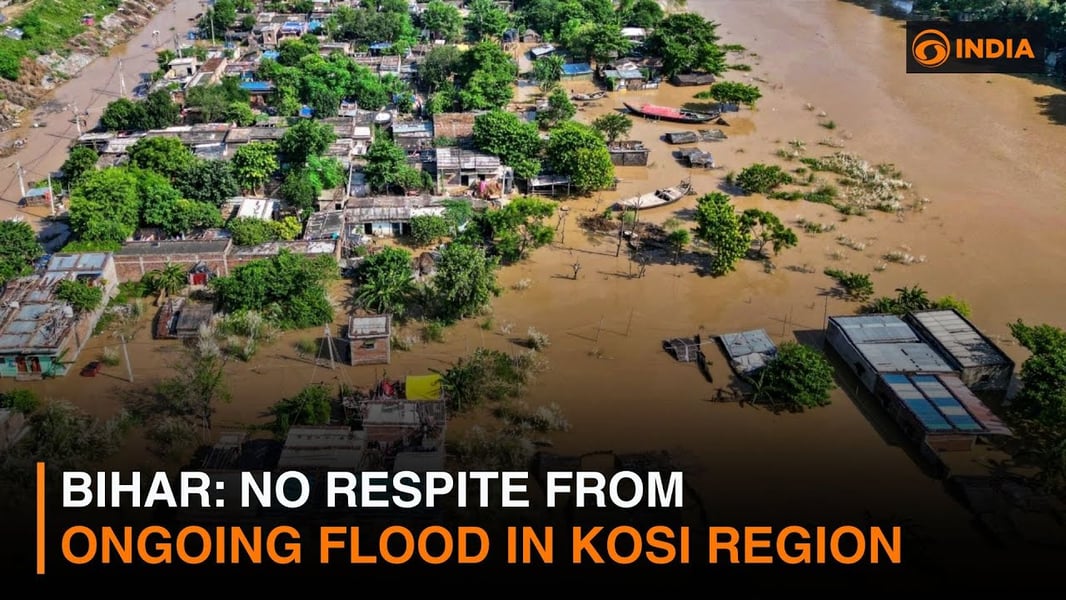
What elevates the forecast from a routine weather advisory to an active danger is the Kosi. The river, which descends from the Nepal Himalayas and empties into the Ganges across a vast, flat alluvial plain, was flowing above the danger mark before the main monsoon pulse had even arrived. Forbesganj, in the Araria district along the Kosi’s banks, recorded 139 millimetres of rain in 24 hours. Purnea logged 54 millimetres. The IMD expects moderate to heavy showers to continue over Bihar for another 24 to 48 hours, which will push more water into a river system that is already straining.
The Kosi has earned its local epithet, the Sorrow of Bihar, through centuries of changing course and catastrophic flooding. The river drains a Himalayan catchment that extends into Nepal and Tibet, and its sediment load is so enormous that it has shifted its channel by over 100 kilometres in the last two centuries. In August 2008, the Kosi breached an embankment near the Nepal border and carved a new course through Supaul and Madhepura districts, killing hundreds, displacing more than three million people, and submerging villages that had not seen flooding in living memory. The state rebuilt the embankments and improved its early warning systems, but the underlying vulnerability remains: a high-volume river descending onto a flat plain where millions of people live and farm.
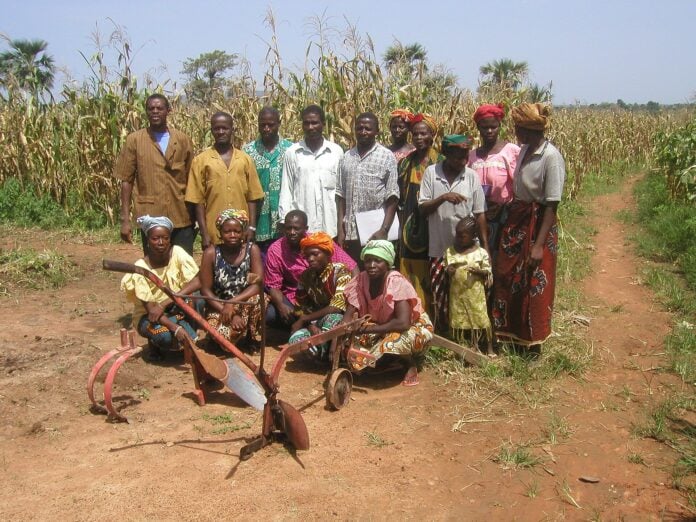
The districts the IMD flagged on Friday, Katihar, Purnea, Kishanganj, Araria, and Supaul, sit directly in the Kosi floodplain. These are among Bihar’s poorest and most densely populated districts. Every monsoon season, residents in riverside settlements watch the water gauges and prepare for the possibility of evacuation. For the farming families who cultivate paddy and maize during the kharif season, the monsoon’s arrival triggers a parallel anxiety: the same rain that germinates their seeds also threatens to wash out their fields before harvest.
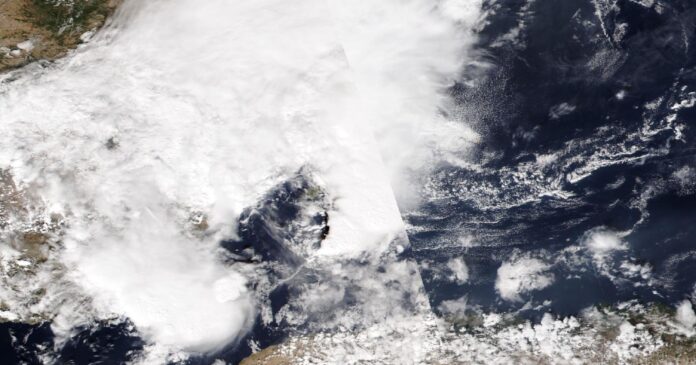
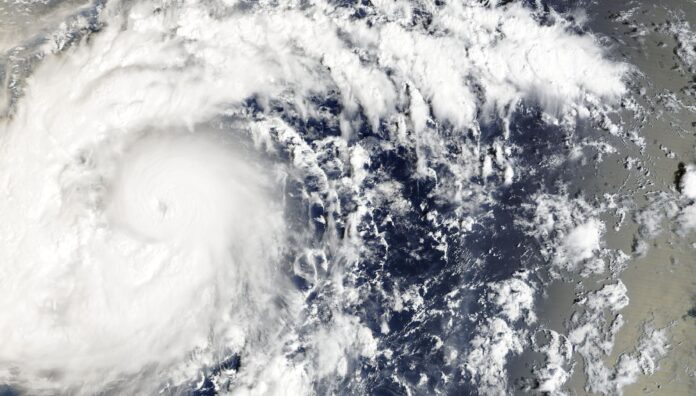
The Bay of Bengal branch of the monsoon, which carries moisture from the eastern ocean system into India’s interior, has been unusually aggressive this year. It entered South Bengal at the earliest date in five years and pushed into Odisha from the north, placing 18 districts under orange alert. Bihar is the next state in its path, and the speed of the advance means the river systems are absorbing moisture faster than the drainage infrastructure can handle.
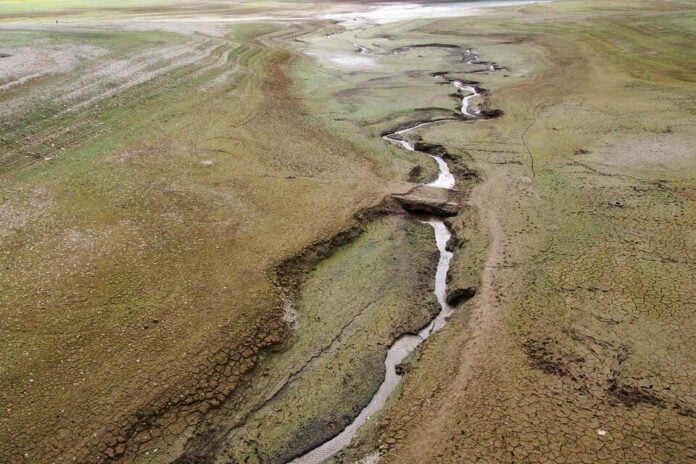
The Arabian Sea branch, by contrast, has been sluggish. It reached Kerala nine days late and has stalled below Mumbai, leaving India’s financial capital still waiting for monsoon rain. That lopsided pattern, the eastern arm charging while the western arm stalls, is consistent with the El Nino conditions that the IMD says are active and will only strengthen through the monsoon season. El Nino does not necessarily mean less total rainfall for India, but it reliably disrupts the distribution, creating pockets of excess alongside pockets of deficit. Bihar, this June, is firmly in the excess column.
The state disaster management apparatus has entered its annual monsoon readiness mode. Control rooms are operational in flood-prone districts, and the water resources department is monitoring embankment conditions along the Kosi, Gandak, Bagmati, and Mahananda. Bihar has not experienced a major flood event in the last two to three years, which is both a relief and a concern: periods without significant flooding can lead to complacency in maintenance and settlement patterns that expand closer to the rivers.
For the next week, the immediate question is how quickly the monsoon settles into a sustained pattern over Bihar. The 139 millimetres that fell on Forbesganj in a single day is a preview of what the monsoon delivers when it is fully engaged. With the Kosi already above danger level, the margin for absorbing additional rainfall without flooding is narrow, and narrowing.