
BOSTON — A federal judge ordered the Trump administration on Friday to put back the signs and exhibits about climate change, slavery and LGBT civil rights that Interior Secretary Doug Burgum had spent the spring removing from national parks across the country, calling the campaign a dangerous precedent of censorship and sanitization in a 63-page preliminary injunction. The administration has 21 days to reinstall everything, which lands the deadline on the eve of the United States’ 250th anniversary.
The ruling came from US District Judge Angel Kelley in Massachusetts, who took the unusual step of naming specific exhibits the Department of the Interior was ordered to restore. Among them: the climate change interpretive materials at Glacier National Park, which had until this spring described the disappearance of the park’s namesake glaciers as a consequence of a warming planet; the LGBT civil rights history at Stonewall National Monument in New York; the abolition exhibits at John Brown’s Fort in Harpers Ferry; and the slavery exhibit at the President’s House in Philadelphia, which detailed the lives of the nine enslaved people held in George Washington’s household.
Kelley wrote that the government’s stewardship of the parks carries a responsibility to present American history in full rather than in favored fragments, and that the Burgum order, titled Restoring Truth and Sanity to American History, had instead reduced the parks to half-truths. The judge described the removals as government-sanctioned erasure that ignored congressional directives and degraded public trust in federal land management. The opinion, The Hill reported, sided with plaintiffs led by the National Parks Conservation Association.
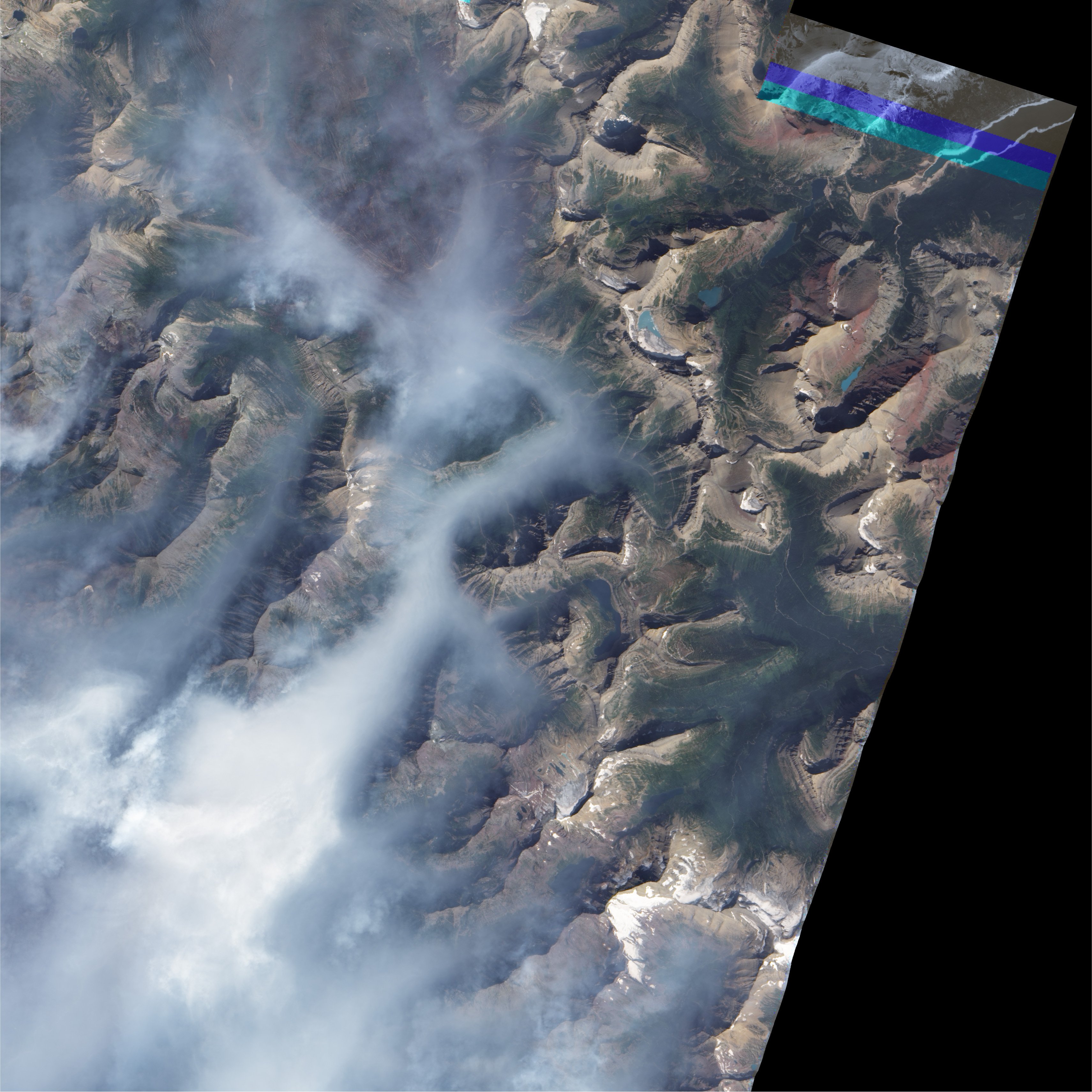
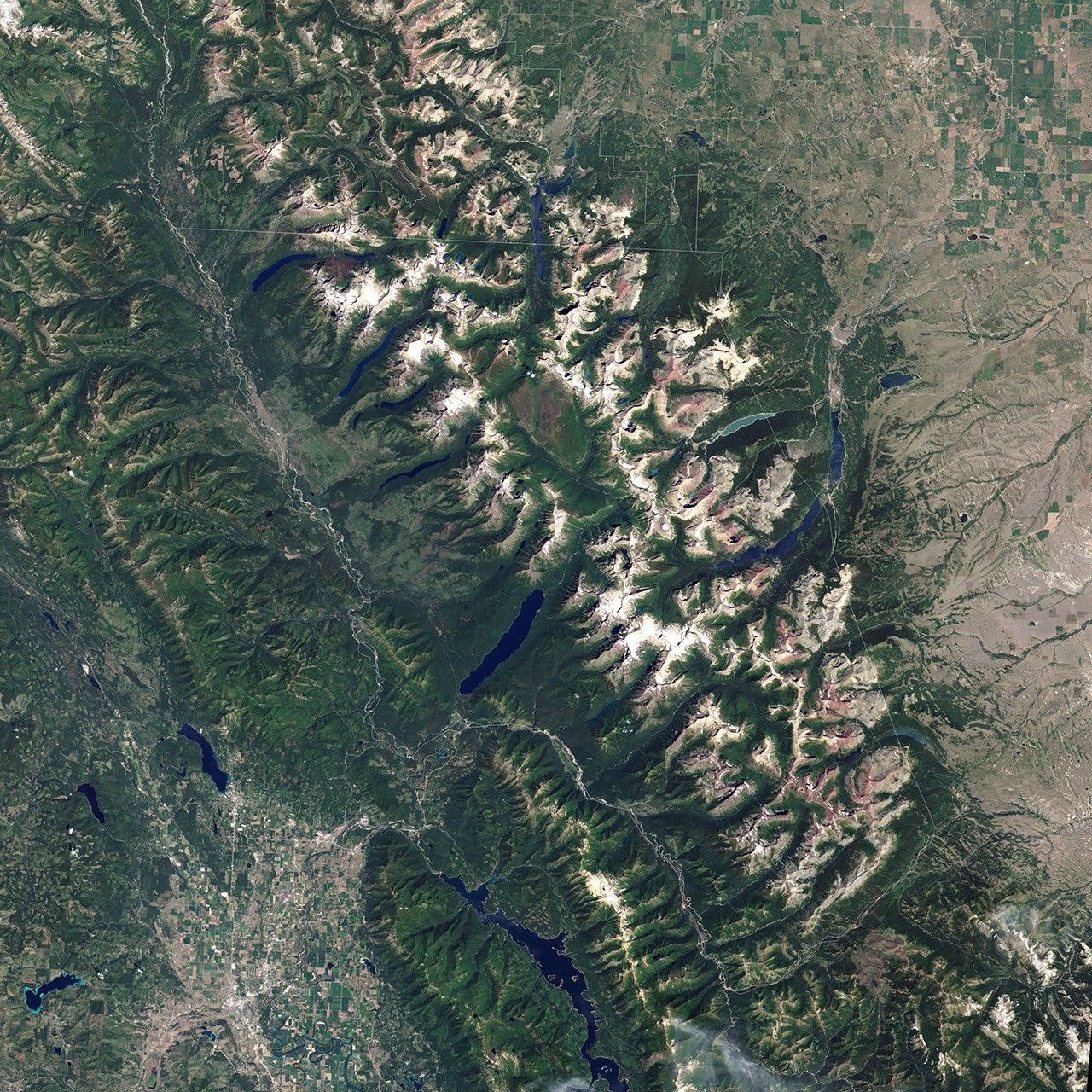
The climate piece is the part that matters for the country’s environmental record. Glacier National Park in Montana has, for at least two decades, been one of the most direct American case studies of warming. Park interpretive materials cited the disappearance of more than a hundred glaciers since 1850, the shrinkage of the Blackfoot-Jackson basin from 21.6 square kilometers of ice in 1850 to about 7.4 by 1979, and the National Park Service’s own estimate that the remaining glaciers may be gone within roughly a generation. The Trump-era Park Service quietly pulled the brochures, the visitor-center video, and a gift-shop sign that explained the science.
The president’s executive order had instructed agencies to remove content that did not align with what the administration described as the dignity of American history. In practice that meant the removal of exhibits about race, slavery, sexuality and climate; the lawsuit, brought by the conservation association alongside historians and former park staff and represented by Democracy Forward, argued the order amounted to a sustained campaign to erase history and undermine science. Burgum’s department implemented the removals park by park through the spring without public input or scientific review.
Kelley’s order rests on a finding that the removal program likely violated both administrative law and the Park Service’s congressional mandate to interpret natural and cultural resources for the public. The plaintiffs had argued, and the judge largely accepted, that the agency cannot lawfully replace the science it is mandated to communicate with a curated political account chosen by the secretary’s office. The order also bars further removals while the underlying case proceeds.
The Friday ruling lands in a week that has seen the federal courts pull back several pieces of the administration’s climate retrenchment one at a time. A federal judge in South Carolina ruled earlier in the week that the Environmental Protection Agency had unlawfully terminated environmental-justice grant programs created under the Inflation Reduction Act, ordering most of the funding restored. The two rulings together suggest the judiciary is becoming the working brake on an executive that has tried to dismantle the climate state through unilateral executive action.
For the climate exhibits in particular, the substantive question Kelley answered was whether the federal government can edit the science it tells the public. The Park Service’s communications role is not incidental. Roughly 325 million people visit the national parks each year, and the interpretive infrastructure at sites like Glacier is one of the few remaining places where ordinary Americans encounter the working chemistry of climate change in physical form. The disappearance of an actual glacier, framed by a sign that explains why it is disappearing, does more public education than most federal climate communication.
The political backdrop is the harder context. The Burgum order was issued as part of a broader administration project to recast the federal government’s posture on questions of race, sexuality and the environment, and the parks were chosen partly because they are the largest physical real estate the federal government uses to tell stories about itself. The same administration has spent the spring rolling back the federal incentives that supported the country’s nascent sustainable-aviation-fuel and clean-hydrogen industries, on the same theory that the previous administration had built a climate apparatus that needed dismantling.
Kelley’s 21-day deadline was deliberately chosen. The 250th anniversary of American independence falls in early July, and the judge wrote that the parks should mark that milestone with their full history rather than the curated version. The administration retains the right to appeal, and the underlying case still has to proceed through the merits. But for the next three weeks the Park Service is under court order to put climate change back on the signs at Glacier, and to put slavery back at the President’s House, and to put the genesis of the LGBT civil-rights movement back at Stonewall.
The unspoken cost of the spring’s removals is the harder one to repair. Visitors during the period when the exhibits were missing received a version of American history shaped by an order from a Cabinet secretary that the court has now found likely unlawful. The signs come back; the missed weeks of incorrect information do not. What Kelley’s order can prevent is the next removal, and the next interpretation, and the next attempt to substitute political preference for the science the Park Service has been telling the public for half a century.
Related Posts